Elevate your local knowledge
Sign up for the iNFOnews newsletter today!
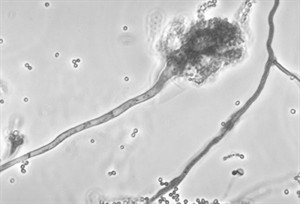
NEW YORK, N.Y. – The fungus blamed for causing a meningitis outbreak in several states is mostly everywhere. It floats in the air, indoors and outdoors — and only very rarely makes people sick.
People inhale Aspergillus fungus spores all the time without any problem. It’s nearly impossible to avoid, found in such places as decaying leaves, trees, grain, soil, household dust, heating ducts and building materials. The fungus can also cause skin infections if it enters a break in the skin.
It’s being blamed for meningitis that occurred after a steroid contaminated with it was injected into the spinal column of some patients getting pain treatments. That provides a rapid way for the fungus to cause a serious infection. It’s not clear how the fungus got into the medication which was made by a specialty pharmacy.
Usually, after somebody inhales Aspergillus spores, they’re destroyed by the body. But people with cystic fibrosis or asthma may have problems with it, wheezing and coughing. A more severe infection can arise in people with weakened immune systems, like those who’ve had transplant surgery or are getting chemotherapy for cancer. This invasive infection can cause fever, chest pain and shortness of breath.

Neither condition spreads from person to person. It’s hard to tell exactly how common Aspergillus infections are, but one study suggests it may affect just 1 or 2 people per 100,000 every year.
___
Online:
Federal information: http://www.cdc.gov/fungal/aspergillosis
News from © The Associated Press, . All rights reserved.
This material may not be published, broadcast, rewritten or redistributed.

This site is protected by reCAPTCHA and the Google Privacy Policy and Terms of Service apply.
Want to share your thoughts, add context, or connect with others in your community?
You must be logged in to post a comment.