Elevate your local knowledge
Sign up for the iNFOnews newsletter today!
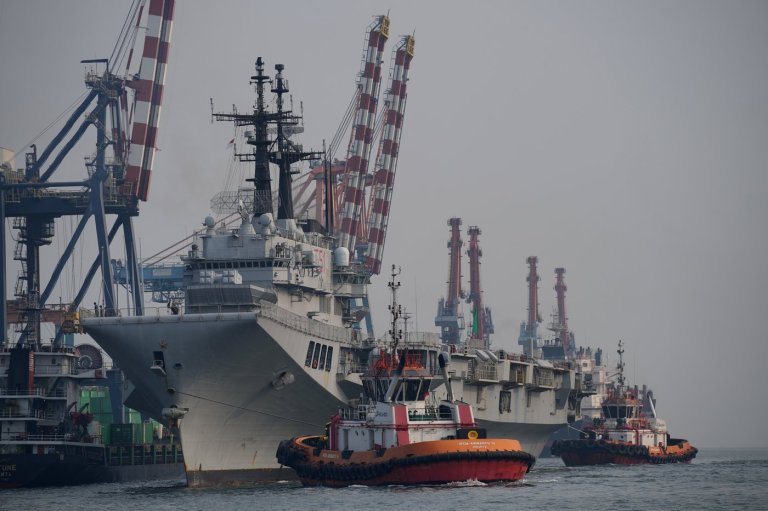
JUBA, South Sudan – The first of 379 British troops have arrived in South Sudan’s capital, Juba, to serve in a United Nations peacekeeping mission, a U.N. spokeswoman said Monday.
A five-person advance team landed Friday while the rest will begin arriving in the coming weeks, joining 11,990 peacekeepers from other nations, said Ariane Quentier, spokeswoman for the U.N. mission in South Sudan.
The British troops will carry weapons and form an engineering battalion meant to deploy in Bentiu, the capital of war-torn Unity state, Quentier said.
Nearly 100,000 civilians shelter at the U.N. mission’s Bentiu base seeking safety from the country’s two and a half year civil war, according to U.N. figures. About 170,000 civilians live in U.N. bases around South Sudan.
The U.N. mission has been criticized for not doing enough to protect civilians during the war. Over 7,000 civilians died in Unity state from violence last year during a government offensive which included the murders of civilians, sexual slavery, and forced starvation, according to the U.N.
“The arrival of British personnel clearly demonstrates our commitment to supporting U.N. efforts to improve conditions in some of the world’s most destabilizing conflicts,” British defence secretary Michael Fallon said in a Monday statement. Britain has also started sending peacekeepers to Somalia, the statement said.
South Sudan’s government and rebels formed a coalition government in April, but fighting persists in some areas.
News from © The Associated Press, . All rights reserved.
This material may not be published, broadcast, rewritten or redistributed.

This site is protected by reCAPTCHA and the Google Privacy Policy and Terms of Service apply.
Want to share your thoughts, add context, or connect with others in your community?
You must be logged in to post a comment.