Elevate your local knowledge
Sign up for the iNFOnews newsletter today!
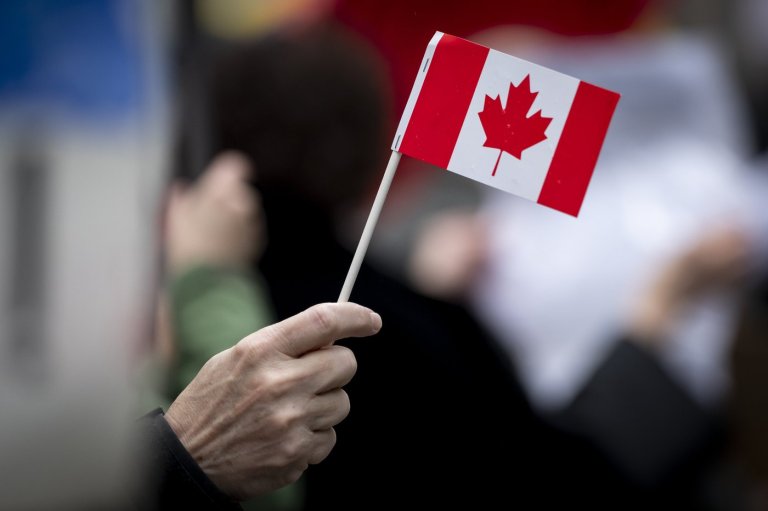
TORONTO – The Canadian dollar was little changed Monday after a weekend meeting of the G20 countries endorsed Japan’s efforts to end a 15-year battle against deflation through an aggressive monetary policy.
The Canadian dollar edged up 0.04 of a cent to 97.48 cents US.
The Bank of Japan’s plan involves buying more than seven trillion yen (US$70 billion) of bonds a month with a view to increasing inflation to two per cent within two years.
The decline of the yen has stirred up concerns among Japanese exporters’ key rivals that Japan’s real goal is to weaken the yen as a way to gain trade advantages. But officials at the G20 meeting were reluctant to voice any opposition to the Bank of Japan’s monetary stimulus program.
Commodity prices were mixed after severe downturns last week.
The June crude contract on the New York Mercantile Exchange gained 89 cents to US$88.90 a barrel after data showing a weakening Chinese economy and a downgrade of global economic growth by the International Monetary Fund raised demand concerns and pushed crude down three per cent last week.
Gold prices were higher with the June contract in New York ahead $39.50 to US$1,435.10 an ounce. Bullion plunged to its lowest level in more than two years last week, falling seven per cent amid a growing conviction that inflation is firmly under control. Buying gold as a hedge against inflation has supported gold prices to record highs of almost $2,000 back in 2011.
However, copper prices continued to hover at 18-month lows. The metal, widely viewed as an economic barometer because it is used in so many applicatiions, fell two cents to US$3.12 a pound on top of a six per cent slide last week.
Risk appetite was also improved after the Italian parliament over the weekend re-elected Giorgio Napolitano as president, following weeks of political uncertainty.
“We think President Napolitano’s re-election is strongly tied to the formation of a grand coalition and to the implementation of its policies,” said a commentary from Barclays’s research.
Elections in late February left Europe’s third biggest economy without any one party getting enough votes to form a government.
News from © The Canadian Press, . All rights reserved.
This material may not be published, broadcast, rewritten or redistributed.

This site is protected by reCAPTCHA and the Google Privacy Policy and Terms of Service apply.
Want to share your thoughts, add context, or connect with others in your community?
You must be logged in to post a comment.