Elevate your local knowledge
Sign up for the iNFOnews newsletter today!
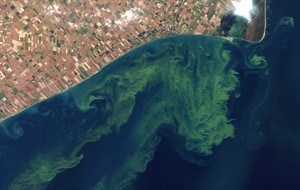
A new report says Canada and the U.S. should take urgent steps to crack down on sources of phosphorus runoff blamed for a rash of harmful algae blooms on Lake Erie.
The report, released today by the International Joint Commission, says different sources of phosphorus runoff have emerged — primarily large farms, where manure and other fertilizers are washed into rivers during storms and snowmelt.
They accounted for more than half of the phosphorus that reached the lake in 2011, while one-third came from smaller farms and nearshore communities as well as city sewers.
The report includes 15 key recommendations, including prohibition of nearly all use of phosphorus fertilizers for lawn care and the monitoring of sewage plants and other facilities that discharge into the lake.
It also calls for a cleanup plan developed by the governments of Ontario, Ohio and Michigan.
The problem of runaway algae led Canada and the U.S. to reach their first agreement to improve Great Lakes water quality more than 40 years ago.
News from © The Associated Press, . All rights reserved.
This material may not be published, broadcast, rewritten or redistributed.

This site is protected by reCAPTCHA and the Google Privacy Policy and Terms of Service apply.
Want to share your thoughts, add context, or connect with others in your community?
You must be logged in to post a comment.