Elevate your local knowledge
Sign up for the iNFOnews newsletter today!
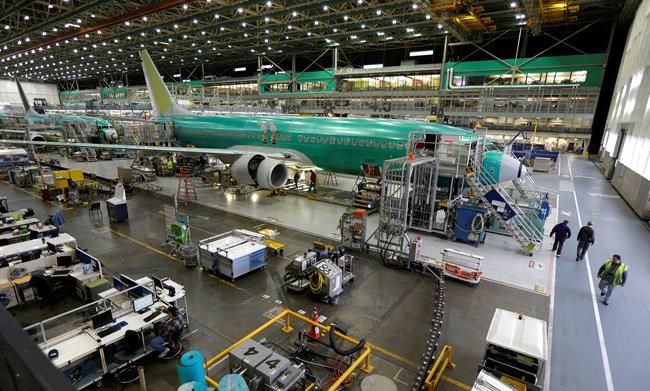
WASHINGTON – Orders to U.S. factories rose moderately in December, closing out a second rough year for American manufacturers who have been battered by a strong dollar and a plunge in capital investment.
Orders to factories rose 1.3 per cent in December, the Commerce Department reported Friday. A key category that tracks business investment was up 0.7 per cent, a hopeful sign that 2017 may be a better year for manufacturers as investment in the energy sector rebounds.
For all of 2016, factory orders fell 1.4 per cent following a 6.3 per cent drop in 2015. It marked the first consecutive annual declines in 14 years, since orders fell 7 per cent in 2001 and 1.2 per cent in 2002.
Orders had fallen by a record amount of 22.9 per cent in 2009 during the depths of the Great Recession, but the decline was confined to a single year. Orders managed a small 1 per cent gain in 2008 as the country was sliding into recession and a solid rebound of 16.4 per cent in 2010.
Economists are hoping that 2017 will be a rebound year for U.S. factories as well. While the dollar has risen further, the impact is being lessened somewhat by stronger economic growth in overseas markets. The huge slide in energy prices had come to a halt and prices are rising again. Economists are hopeful that this rebound will bring an end to the big cutbacks in equipment spending by U.S. oil companies.
In December, the 0.7 per cent increase in the business investment category followed gains of 1.7 per cent in November and 0.5 per cent in October. For the year, orders in this category were down 3.3 per cent. This decline was led by a 47.6 per cent plunge in mining and oil field equipment.
Orders for durable goods, items such as cars and airplanes expected to last at least three years, fell 0.5 per cent while demand for nondurable goods such as paper and chemicals rose by 3.1 per cent.
The weakness in durable goods reflected a 64 per cent plunge in demand for defence aircraft, which offset a 42.1 per cent rise in orders for commercial aircraft, both volatile categories.
News from © The Associated Press, . All rights reserved.
This material may not be published, broadcast, rewritten or redistributed.

This site is protected by reCAPTCHA and the Google Privacy Policy and Terms of Service apply.
Want to share your thoughts, add context, or connect with others in your community?
You must be logged in to post a comment.