Elevate your local knowledge
Sign up for the iNFOnews newsletter today!
Sign up for the iNFOnews newsletter today!
Selecting your primary region ensures you get the stories that matter to you first.
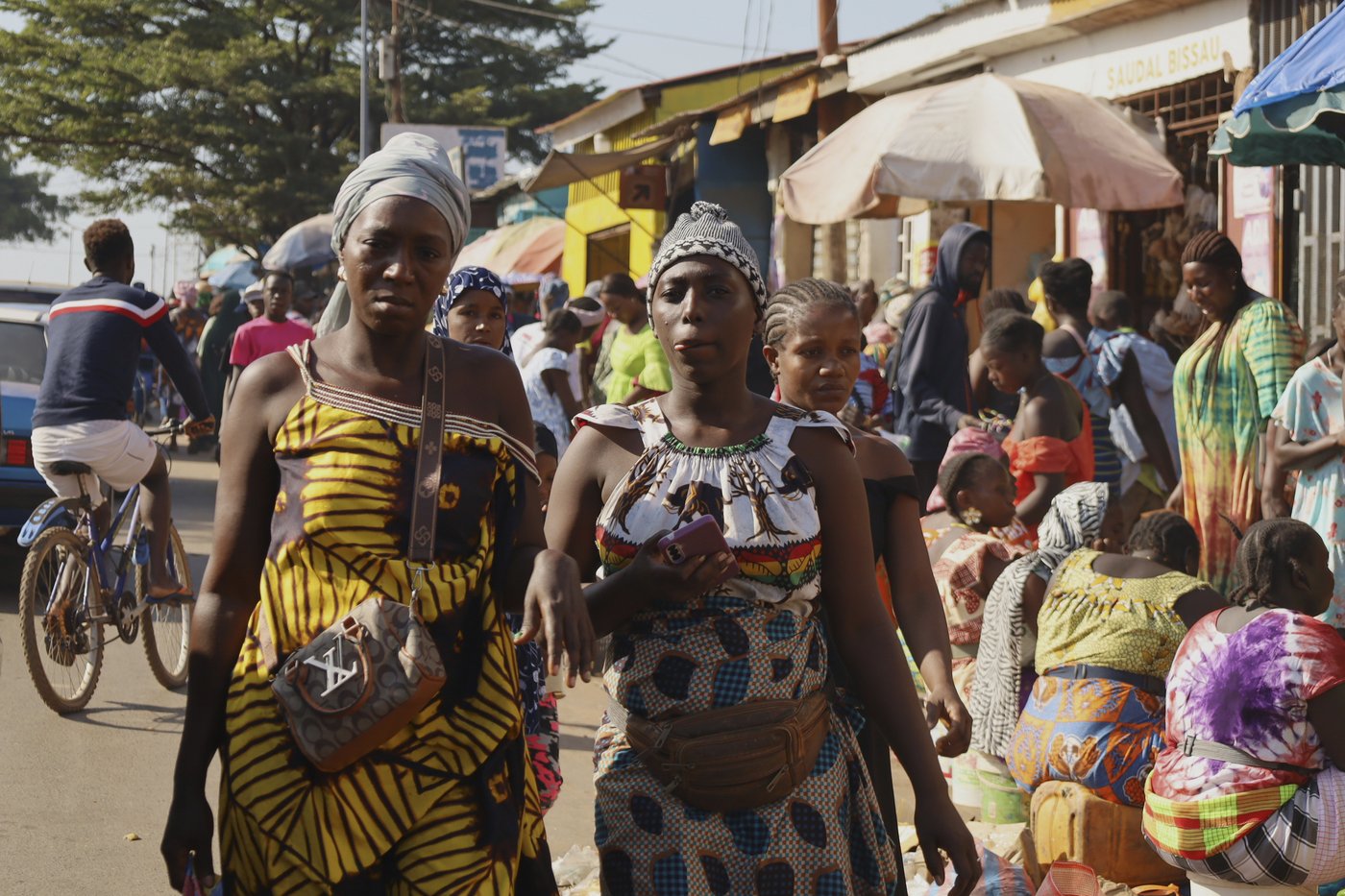
BISSAU, Guinea-Bissau (AP) — A delegation from the West African regional bloc known as ECOWAS made no headway in talks Monday with coup leaders in Guinea-Bissau, but said at the end of its visit that discussions would continue later this month.
The ECOWAS mission, led by its chairman, President of Sierra Leone Julius Maada Bio, came to Guinea-Bissau to appeal to the military — which seized power last Wednesday — for a “complete restoration of constitutional order.”
The coup came three days after a closely contested presidential election which the two main contenders claim to have won.
Sierra Leone’s Foreign Minister Timothy Musa Kabba described the discussions as “fruitful” and said both sides “expressed their different concerns.” The ECOWAS chairman condemned the coup while the military said it was necessary to “to restore order and security.”
João Bernardo Vieira, Guinea-Bissau’s new foreign minister, said the military and ECOWAS would continue discussions on Dec. 14.
The day after the coup, ECOWAS said it suspended Guinea-Bissau from its decision-making bodies and said its mediation team would travel to Bissau to “engage the leaders of the coup with a view to ensuring the full restoration of constitutional order.”
The bloc also said it “reserves the right to use all options” allowed under its rules, “including sanctions on all entities deemed culpable of disrupting the electoral and democratic process.”
Leonardo Simão, the U.N. representative for West Africa, told reporters the ECOWAS delegation would report to the “heads of state, who will then make a decision” about next steps.
The ECOWAS delegation met with Guinea-Bissau’s National Electoral Commission, which indicated it could not publish election results “because it had not received the complete polling station report,” Simão said.
During the coup, Guinea-Bissau’s President Umaro Sissoco Embaló told French media by phone that he had been deposed and arrested. Embalo has since fled to the Republic of Congo’s capital Brazzaville.
Guinea-Bissau’s military has installed former army chief of staff Gen. Horta Inta-a as the head of the military government, which will oversee a one-year transition period. On Saturday, Inta-a appointed a new 28-member government, most of whom are allies of the ousted president.
Meanwhile, Nigeria said its President Bola Tinubu has granted protection for Guinea-Bissau opposition candidate Fernando Dias da Costa in response to an ”imminent threat to his life.”
According to a letter to ECOWAS from Nigeria on Sunday, Dias da Costa is at the Nigerian Embassy in Bissau, the country’s capital. The letter requested ECOWAS troops provide security.
U.N. Secretary-General António Guterres has expressed grave concern over the events in Guinea-Bissau and condemned the coup. In a statement, Guterres said that disregarding “the will of the people who peacefully cast their vote during the Nov. 23 general elections constitutes an unacceptable violation of democratic principles.”
He called for the “immediate and unconditional restoration of constitutional order,” as well as the release of all detained officials, including electoral authorities, opposition leaders and other political actors.
Guinea-Bissau, one of the world’s poorest countries, has been dogged by coups and attempted coups since its independence from Portugal more than 50 years ago, including a coup attempt in October. The country of 2.2 million people is known as a hub for drug trafficking between Latin America and Europe, a trend that experts say has fueled its political crises.
Widely seen as West Africa’s leading political and regional authority, the 15-nation ECOWAS was formed in 1975 to promote economic integration among member states. The bloc often collaborates with members’ governments to solve domestic challenges on various fronts from politics to economics and security. It has struggled in recent years to reverse coups in the region where citizens have complained of not benefiting from rich natural resources.
___
Pronczuk reported from Dakar, Senegal.
___
This story has been corrected to show that the name of Sierra Leone’s foreign minister is Timothy Musa Kabba.
News from © The Associated Press, . All rights reserved.
This material may not be published, broadcast, rewritten or redistributed.

This site is protected by reCAPTCHA and the Google Privacy Policy and Terms of Service apply.
Want to share your thoughts, add context, or connect with others in your community?
You must be logged in to post a comment.