Elevate your local knowledge
Sign up for the iNFOnews newsletter today!

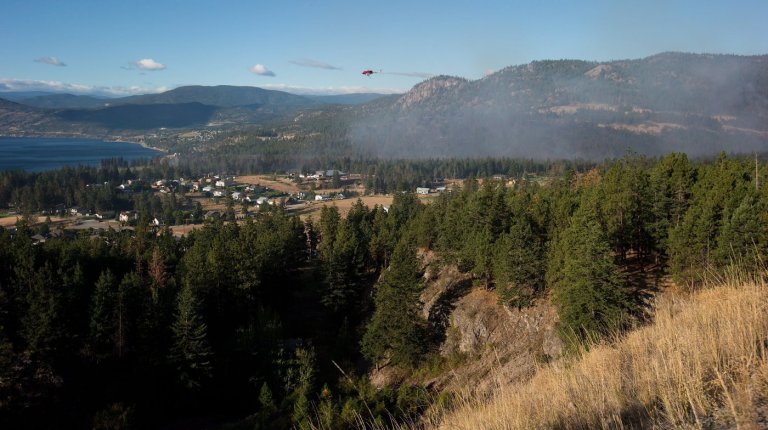
More than four years after a devastating fire destroyed much of the town of Lytton, a BC court has given the green light for those affected by the fire to sue the rail companies.
BC Supreme Court Justice Ward Branch agreed there could be “some basis in fact” that the railway operations were responsible for the horrific fire that razed much of the town in 2021.
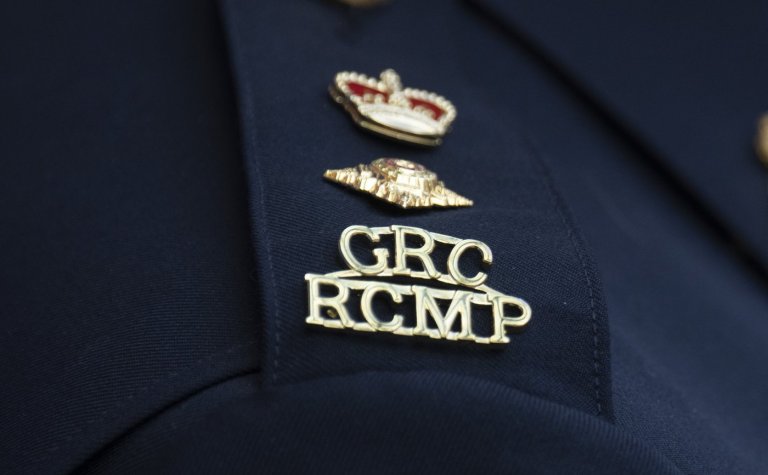
The Justice’s decision to allow the class action suit to move forward comes after both the Canadian Transportation Safety Board and the RCMP conducted investigations that found that the railway companies weren’t responsible for the fire.
However, the Justice said a class action suit gets certified based on the phrase “some basis in fact” and that the case had met that test.
The case dates back to the 2021 “heat dome” and a fire that largely destroyed much of Lytton.
In the months following the fire, two residents who had lost their homes began legal action, pointing the finger at Canadian National Railway Company and Canadian Pacific Railway Company, accusing the rail companies whose trains run through town of starting the fire.
In an incredably rare move, Justice Branch is critical of his own handling of how the file has moved through the courts and the amount of paperwork involved.
“In relation to the ideal length of certification judgments, I have failed miserably in this case,” the Justice said in a Dec. 2 decision. “Improvement is clearly necessary. Class actions were intended to improve access to justice and judicial economy. But the bloated certification process that has developed threatens to undermine the public’s confidence, respect, and appreciation for this valuable tool in appropriate cases.
“If class cases continue to take too long to resolve, we risk running headlong into a critique that ‘justice delayed is justice denied.’ We must do better.”
The court document shows that 25 lawyers have been involved in the case so far.
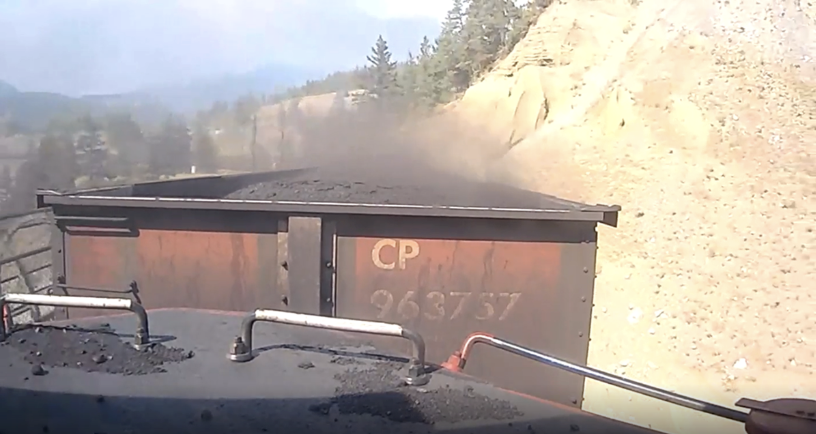
The decision gives a breakdown of the events on June 30, 2021, as a train headed into Lytton.
“Three days before the Fire, CP had information that Lytton had just experienced the hottest day ever recorded in Canada, at 46.1 Degrees Celsius. Lytton broke that record the next day. Lytton set a final heat record the day before the Fire, when the temperature reached 49.6°C and relative humidity dipped to 8%,” the decision says.
The decision says that the Canadian Forest Fire Danger Rating System Fire Weather Index recorded a score that was three-and-a-half times the threshold for a designation of “extreme” risk.
The plaintiff who launched the case, Carel Moiseiwitsch, claims the fire started in an area called Hobo’s Hollow, where people frequently park to walk across a pedestrian bridge over the Fraser River.
“As the train passed the (Hobo’s Hollow), onboard video suggests that the wind was blowing loose particles of coal, creating clouds of fine coal dust from the open cars and dispersing it into the air around the gondola cars and potentially into the dry grass beside the tracks,” the decision says.
Anyone involved in the class action will have to wait a while to find out if this is true, as the trial is tentatively scheduled to start in May 2027.
News from © iNFOnews.ca, . All rights reserved.
This material may not be published, broadcast, rewritten or redistributed.

This site is protected by reCAPTCHA and the Google Privacy Policy and Terms of Service apply.
Want to share your thoughts, add context, or connect with others in your community?
You must be logged in to post a comment.