Elevate your local knowledge
Sign up for the iNFOnews newsletter today!
Sign up for the iNFOnews newsletter today!
Selecting your primary region ensures you get the stories that matter to you first.
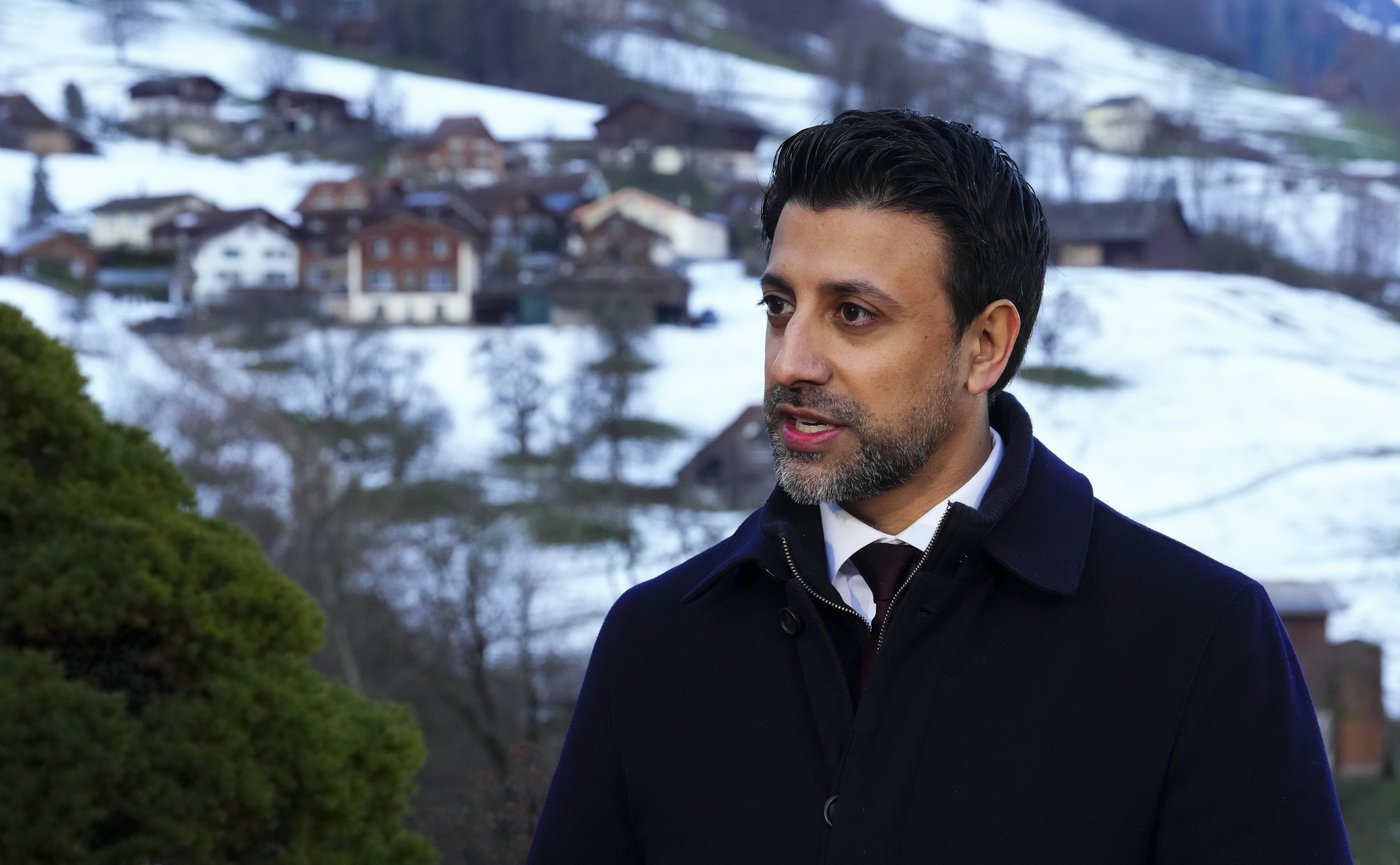
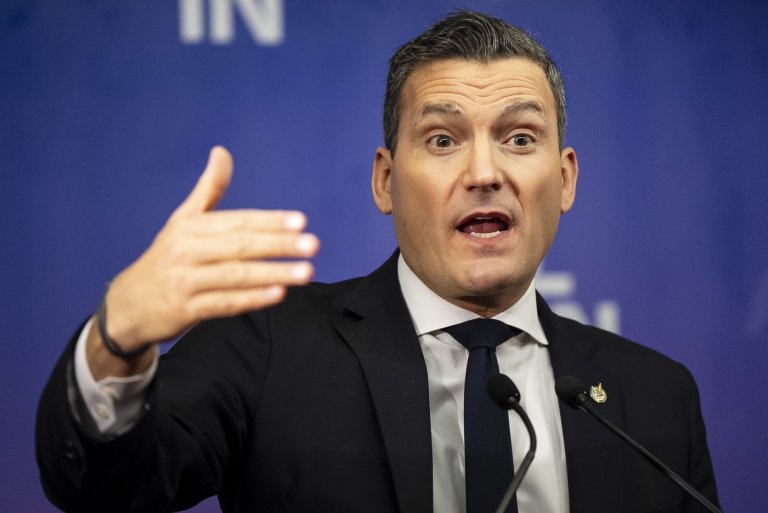
DAVOS — International Trade Minister Maninder Sidhu called Wednesday for expanded trade with India as the two countries prepare to start trade negotiations.
Sidhu said India is “destined to be the third-largest economy in the world” and is the next major target in Carney’s push to diversify trade.
“India is requiring 70 per cent more energy by 2040. As you know, Canada has the energy. India’s year-over-year growth is about seven per cent, so they need food, they need energy. We have that,” Sidhu said in Switzerland, where he was attending the World Economic Forum with Prime Minister Mark Carney.
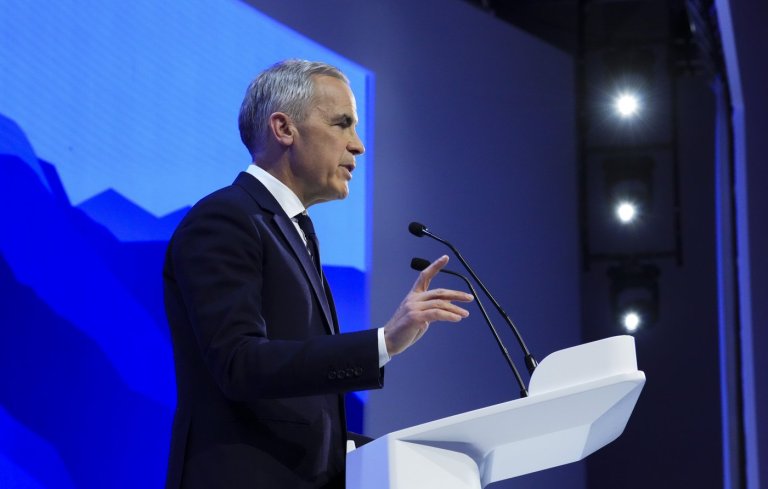
Carney and members of his cabinet are wrapping up a nine-day globe-trotting trip to secure new investments for Canada, that included stops in China and Qatar.
Carney and Indian Prime Minister Narendra Modi agreed at a meeting at the G20 leaders summit in South Africa in November to launch formal negotiations toward a comprehensive economic partnership agreement. Sidhu said those talks with India are expected to start next month.
Canada has been attempting to secure a trade deal with India since 2010. Sidhu said an agreement would boost Canadian agriculture and energy exports.
He also said Canada is looking to take a pragmatic approach to improving strained bilateral ties with India.
Sidhu said he was in India in November to search for opportunities to boost trade and met with India’s energy minister.
Diplomatic ties between Canada and India have been strained in recent years.
In September 2023 former prime minister Justin Trudeau and the RCMP reported that Canada had evidence linking agents of the Indian government to the murder of Sikh separatist Hardeep Singh Nijjar the previous June. Shortly after India forced Ottawa to send most of its diplomats home.
In October 2024, the conflict escalated further when Canada expelled India’s high commissioner and five other diplomats. Ottawa said India had declined to waive diplomatic and consular immunity to allow the RCMP to interview Indian diplomats who worked in Canada.
India responded by expelling Canada’s high commissioner.
Sikh separatist groups at the time printed posters calling for information about specific Indian diplomats and bearing phrases like “Kill India.”
Canada and India launched talks 16 years ago on a compressive trade deal that would cover almost all industries. They later downgraded those talks to negotiations on a sectoral deal that would only touch on specific industries — which is where they stood when the diplomatic crisis erupted in 2023, and almost everything stopped.
Carney moved to reset the relationship last spring. He invited Modi to the G7 summit in Alberta in June, where the two agreed to reappoint high commissioners. The new diplomats were named in August. Then the two met again at the G20 where they agreed to launch the formal trade talks to cover a wide range of goods and services, including agriculture and agri-food, digital trade, mobility, and sustainable development.
A month before that meeting, Foreign Affairs Minister Anita Anand said Canada would not consider reopening trade talks with India until New Delhi allowed the return of Canada’s full cohort of diplomats. In mid-October she said that had happened.
On Wednesday, Sidhu said Ottawa is trying to pursue economic opportunities while defending its interests.
“The prime minister has been clear. We want to see the world as it is, not as we wish it to be,” Sidhu said when asked why Canada is deepening ties with India now.
“You will have many different conversations, many pathways on public safety, on law enforcement dialogue. It’s the same thing with China. There are certain things that we align with and there are certain things that we don’t align with. But at the end of the day, we need to find opportunities for Canadians and that’s our government’s pragmatic approach.”
Sidhu said Canada is also working on trade agreements with Thailand, Philippines, the Association of South East Asian Nations and Mercosur — a trading bloc of South American nations that includes Brazil.
Brazilian President Luiz Inacio Lula da Silva said earlier this month that Carney accepted an invitation to come to Brazil in April to discuss trade. The Prime Minister’s Office has not confirmed that trip and Brazil previously stated Carney had agreed to attend last fall’s COP summit on climate change but he didn’t.
The Prime Minister’s Office said last fall that Carney accepted Modi’s invitation to visit India early this year, and India’s High Commissioner to Canada Dinesh Patnaik said recently the trip will take place in the coming weeks.
In October, Patnaik told The Canadian Press the invitation was for a major artificial intelligence summit in New Delhi set for Feb. 19 and 20.
Indian Commerce Minister Piyush Goyal met this past weekend with visiting B.C. Premier David Eby.
The relationship between India and Canada has for decades been hindered by tensions over Sikh separatists in Canada, who call for the creation of an independent country, to be called Khalistan, out of Indian territory.
India has long claimed Canada is allowing Sikh extremists to threaten and commit violence in both countries and that Ottawa hasn’t done enough to prevent a repeat of the 1984 Air India bombing.
Ottawa has long insisted that acts of violence must be prosecuted, but peaceful calls for Sikh separatism are protected free speech in Canada. India has claimed that Canada is harbouring Canadians, Indians and dual nationals who are guilty of terrorism.
Two years ago, Canadian officials disclosed they had been offering their Indian counterparts “workshops” on the rule of law — particularly on the grounds required for Ottawa to extradite those suspected of criminal acts.
Patnaik said last fall that the aggressive tone of the Khalistan movement is scaring away investment and Indian businesses see Canada “as a place where violence, extortion, intimidation is rising.”
Misinformation about Canada and its Indian diaspora is common in India media, particularly around criminal cases and disproven claims — such as the false allegation that cocaine had been found on former prime minister Justin Trudeau’s plane when he visited New Delhi in 2023.
This report by The Canadian Press was first published on Jan. 21, 2026.
— With files from Dylan Robertson in Ottawa.
News from © The Canadian Press, . All rights reserved.
This material may not be published, broadcast, rewritten or redistributed.

This site is protected by reCAPTCHA and the Google Privacy Policy and Terms of Service apply.
Want to share your thoughts, add context, or connect with others in your community?
You must be logged in to post a comment.