Elevate your local knowledge
Sign up for the iNFOnews newsletter today!
OTTAWA — Advocates of more federal transparency are concerned a federal review of the Access to Information regime will not fix long-standing problems, and that it could even make things worse.
The Treasury Board Secretariat announced the government review, which takes place every five years, in a news release last June.
For a $5 fee, people can use the access law to ask for federal documents — anything from internal emails to policy memos — but the law is widely seen as antiquated and unevenly administered.
Federal agencies are supposed to respond to a request within 30 days or provide valid reasons why more time is needed.
Many users complain of lengthy delays as well as exemptions in the law that result in the release of heavily blacked-out documents in response to their applications.
A draft discussion paper prepared by Treasury Board acknowledges shortcomings including poor federal information management, a lack of documentation of government decisions, no systematic declassification of historical records and particular problems obtaining records related to Indigenous affairs.
The paper also suggests a need for new powers to take time extensions when requests are unclear or overly broad, and to extend timelines for processing requests when emergencies, like pandemics, floods or other disasters, interrupt government operations.
It also expresses reservations about the information commissioner’s steady increase in the use of her powers to issue legally binding orders to departments, saying it is “becoming challenging for institutions to manage.”
The draft discussion paper on possible “policy approaches” was obtained by independent journalist Dean Beeby through the access law.
Treasury Board says it plans to publish policy proposals and conduct formal engagement with interested parties and Indigenous groups this winter.
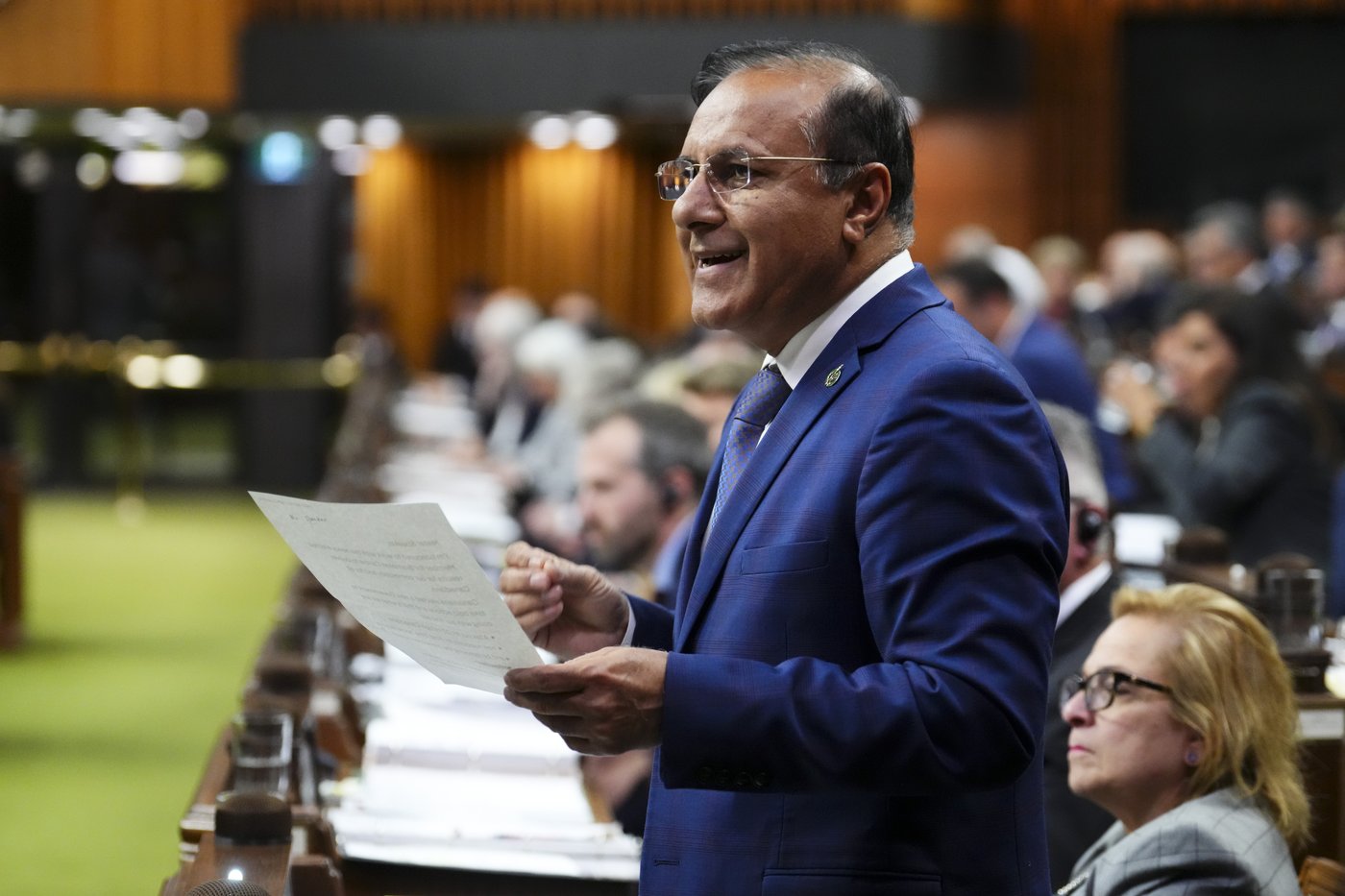
Researcher Ken Rubin, a frequent and longtime user of the Access to information Act, was so alarmed by the discussion paper, he sent a letter to Treasury Board President Shafqat Ali urging him to turn the review over to a House of Commons committee.
Several of the paper’s proposals to water down access requesters’ rights put the minister in the “untenable position” of backing an “already dismal” system, the letter said.
Rubin said he has not received a reply from the minister.
James Turk, director of the Centre for Free Expression at Toronto Metropolitan University, said it gives him “no comfort whatsoever” that the discussion paper acknowledges problems with the access regime, “because those issues have all been on the table for 20 or 30 years. I mean, it’s not as if any of those is new.”
The last federal review of the access system began in June 2020, leading to a final report in December 2022.
Civil society groups, journalists and members of the public who took part called for expansion of the law, removal of loopholes, stricter timelines for responses and more resources to make the system work.
The government opted to focus on better administration of the law, not changes to the legislation, which hasn’t been fully overhauled since its passage more than 40 years ago.
Turk noted there have been numerous examinations of the Access to Information system over the decades.
“It seems to be a process that they routinely go through,” he said.
“It seems apparent that this government, like most of its predecessors, have no serious interest in making the act what it should be.”
This report by The Canadian Press was first published Jan. 27, 2026.
News from © The Canadian Press, . All rights reserved.
This material may not be published, broadcast, rewritten or redistributed.

This site is protected by reCAPTCHA and the Google Privacy Policy and Terms of Service apply.
Want to share your thoughts, add context, or connect with others in your community?
You must be logged in to post a comment.