Elevate your local knowledge
Sign up for the iNFOnews newsletter today!
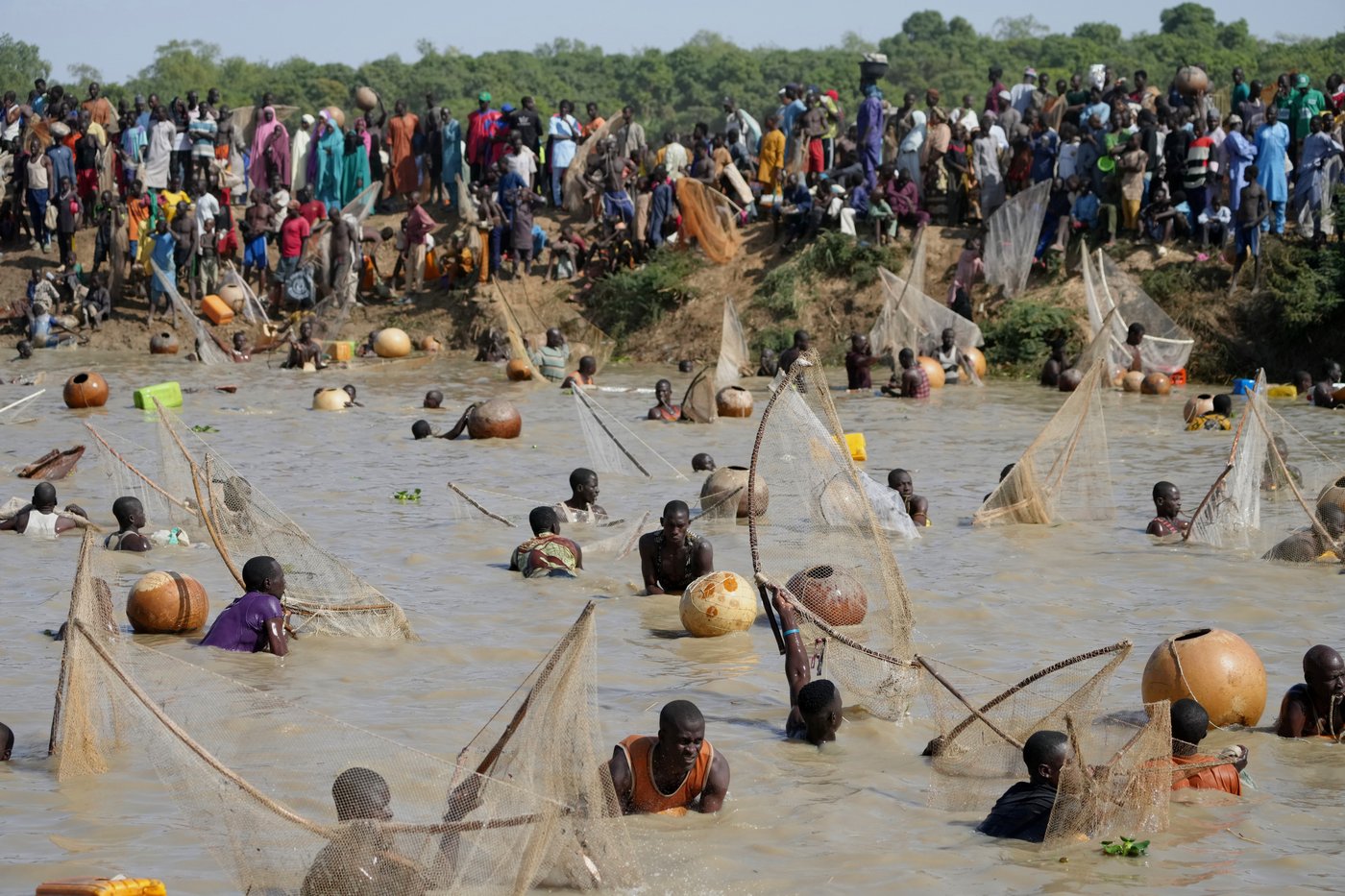
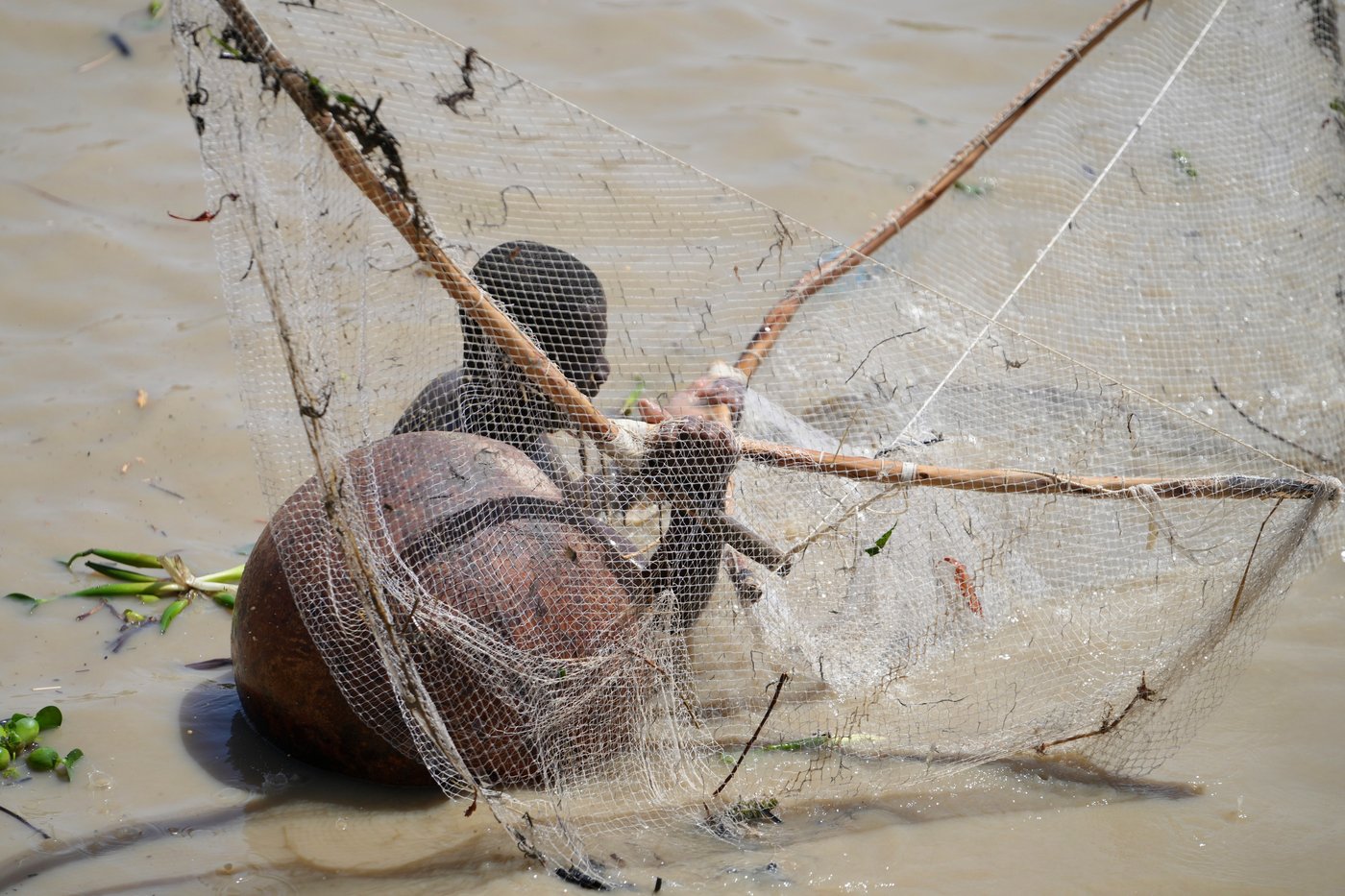
Thousands of fishermen descended Saturday on the milky waters of the Matan Fadan river, a UNESCO heritage site that snakes through lush vegetation at the town of Argungu in Nigeria’s northwest.
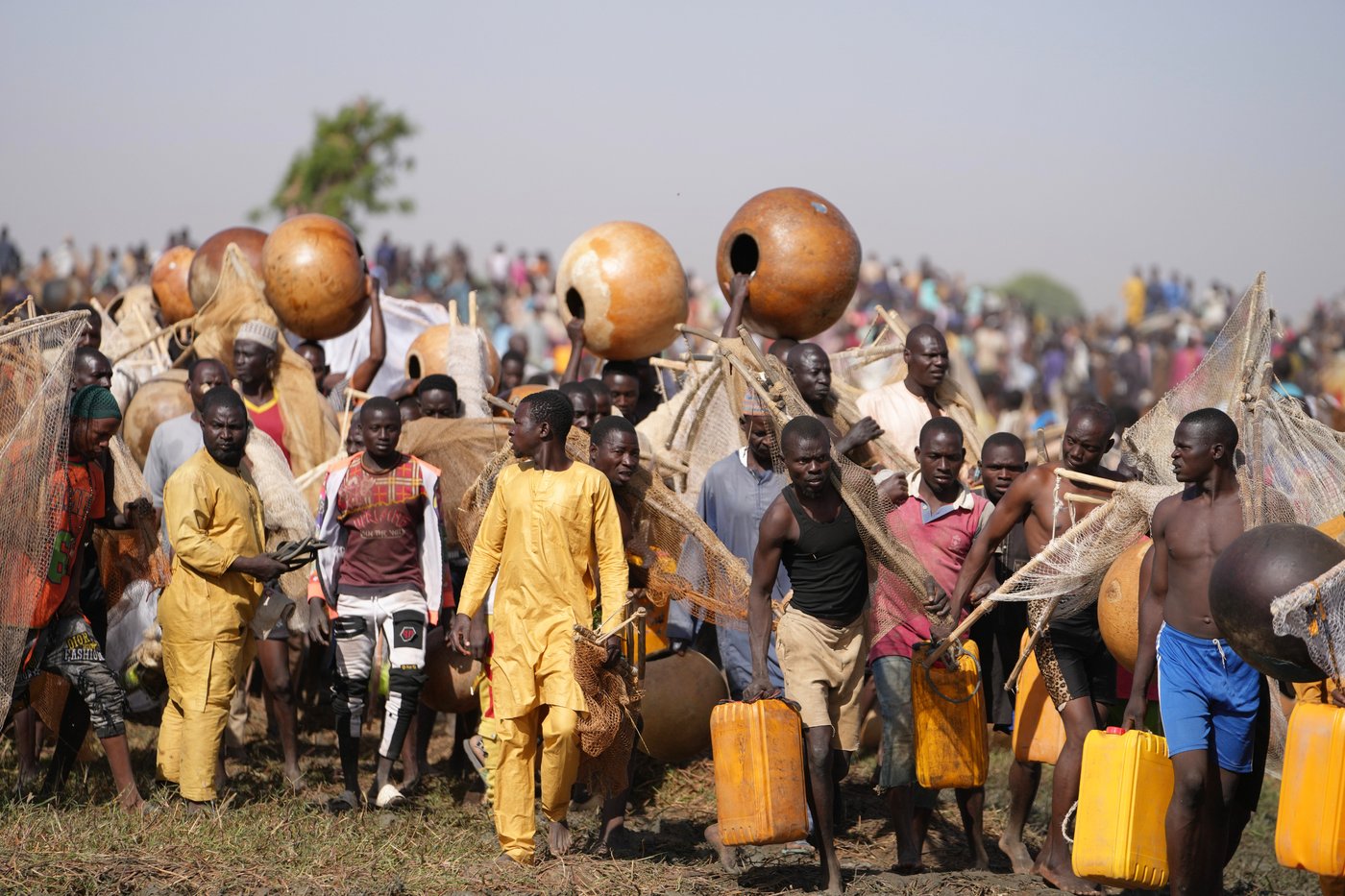
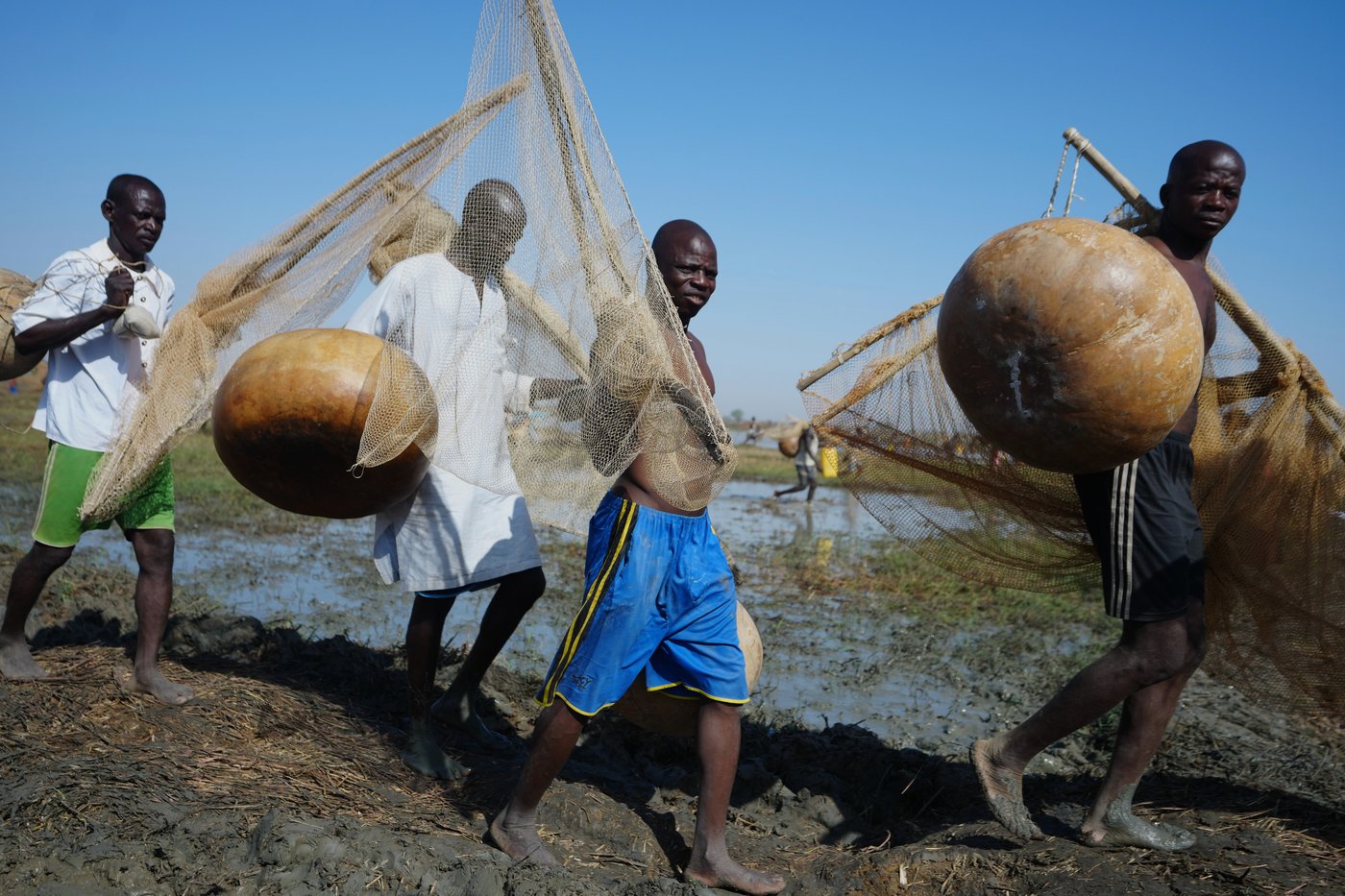
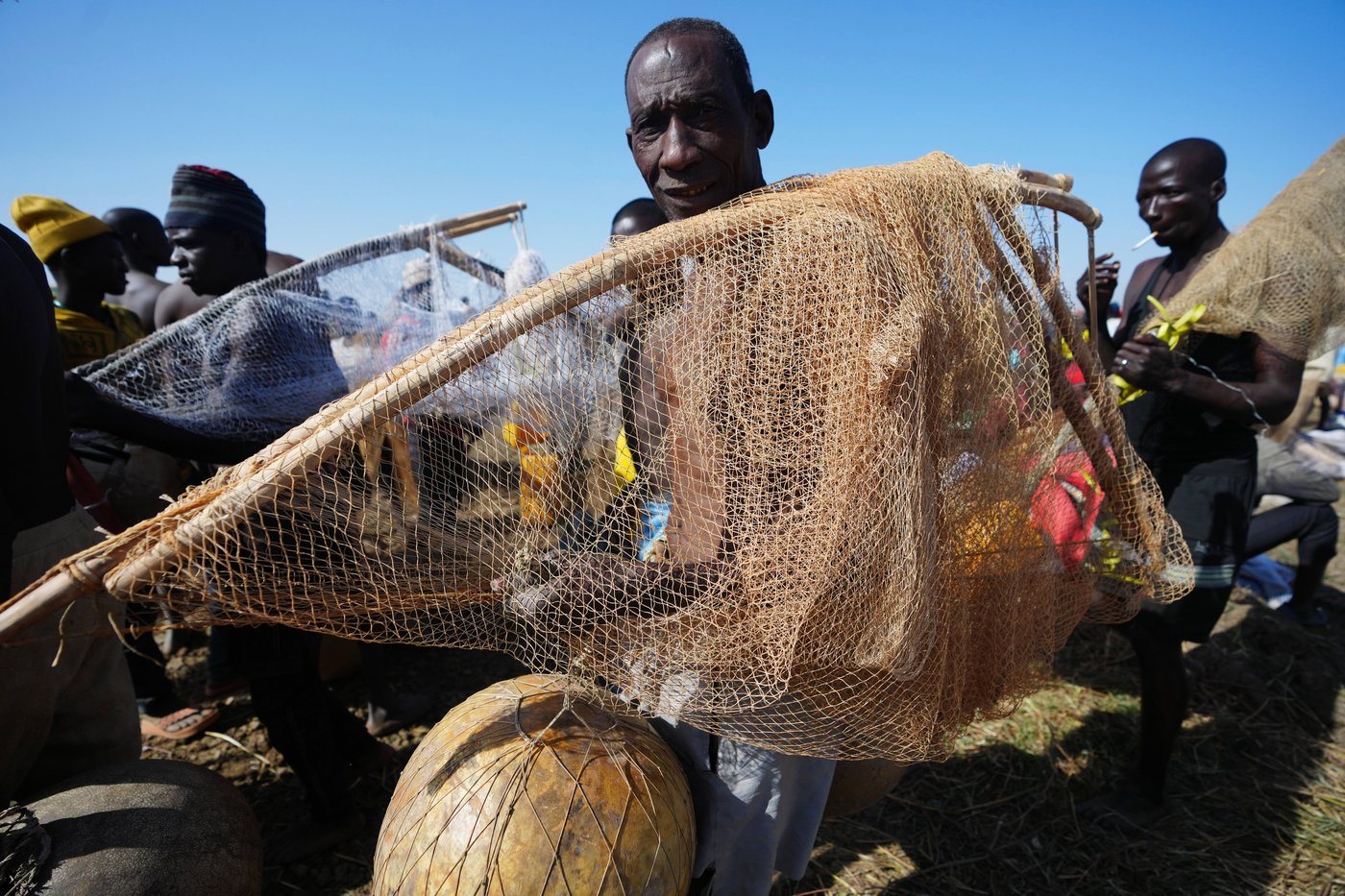
Several thousand onlookers, including President Bola Tinubu, cheered them on as they competed to hook the biggest fish, even as security issues kept some people away. Competitors used only traditional angling techniques, such as hand-woven nets and large calabash gourds. Some used their bare hands to demonstrate their skills.
The waterway in Kebbi state was filled with woven nets and canoes as the fishermen forded the river. This year’s winner caught a croaker fish weighing 59 kilograms (130 pounds). The winner is paid a cash prize, and the other participants get to sell their catch, boosting the local economy.
The small river is closed for the rest of the year and maintained by a titled chief called Sarkin Ruwa, the chief of the water.
The fishing competition was the culmination of the annual international fishing festival that featured cultural events, including traditional wrestling and music.
“I thank God that I got something to take home to my family to eat. I am very happy that I came,” Aliyu Muhammadu, a 63-year-old fisherman who participated in the competition, told The Associated Press.
The festival dates back to 1934, when nearly 100 years of hostility between the ancient Sokoto Caliphate — a sprawling 19th-century Islamic empire reaching from Nigeria to parts of modern-day Burkina Faso — and a holdout Argungu emirate ended.
The fishing festival is regarded as a symbol of unity, and it has run for decades until it was paused in 2010 following infrastructural problems and because of festering insecurity in Nigeria’s northern region. The festival returned in 2020 but was paused again until this year.
Nigeria is facing a complex security crisis, especially in the north, which for years has witnessed attacks that have left several thousand people dead. The attacks have been blamed on fighters with Islamist insurgent groups and criminal armed groups. The attacks are now spreading to the southern region.
Tinubu said the festival is a return to stability but for many the festival’s return restores a sense of communal pride.
“Our challenge now is that people are scared of coming. A lot of people don’t attend the event like before because of insecurity,” Hussein Mukwashe, the Sarkin Ruwa of Argungu, told The Associated Press.
News from © The Associated Press, . All rights reserved.
This material may not be published, broadcast, rewritten or redistributed.

This site is protected by reCAPTCHA and the Google Privacy Policy and Terms of Service apply.
Want to share your thoughts, add context, or connect with others in your community?
You must be logged in to post a comment.