Elevate your local knowledge
Sign up for the iNFOnews newsletter today!
Elevate your local knowledge
Sign up for the iNFOnews newsletter today!
Select Region
Selecting your primary region ensures you get the stories that matter to you first.
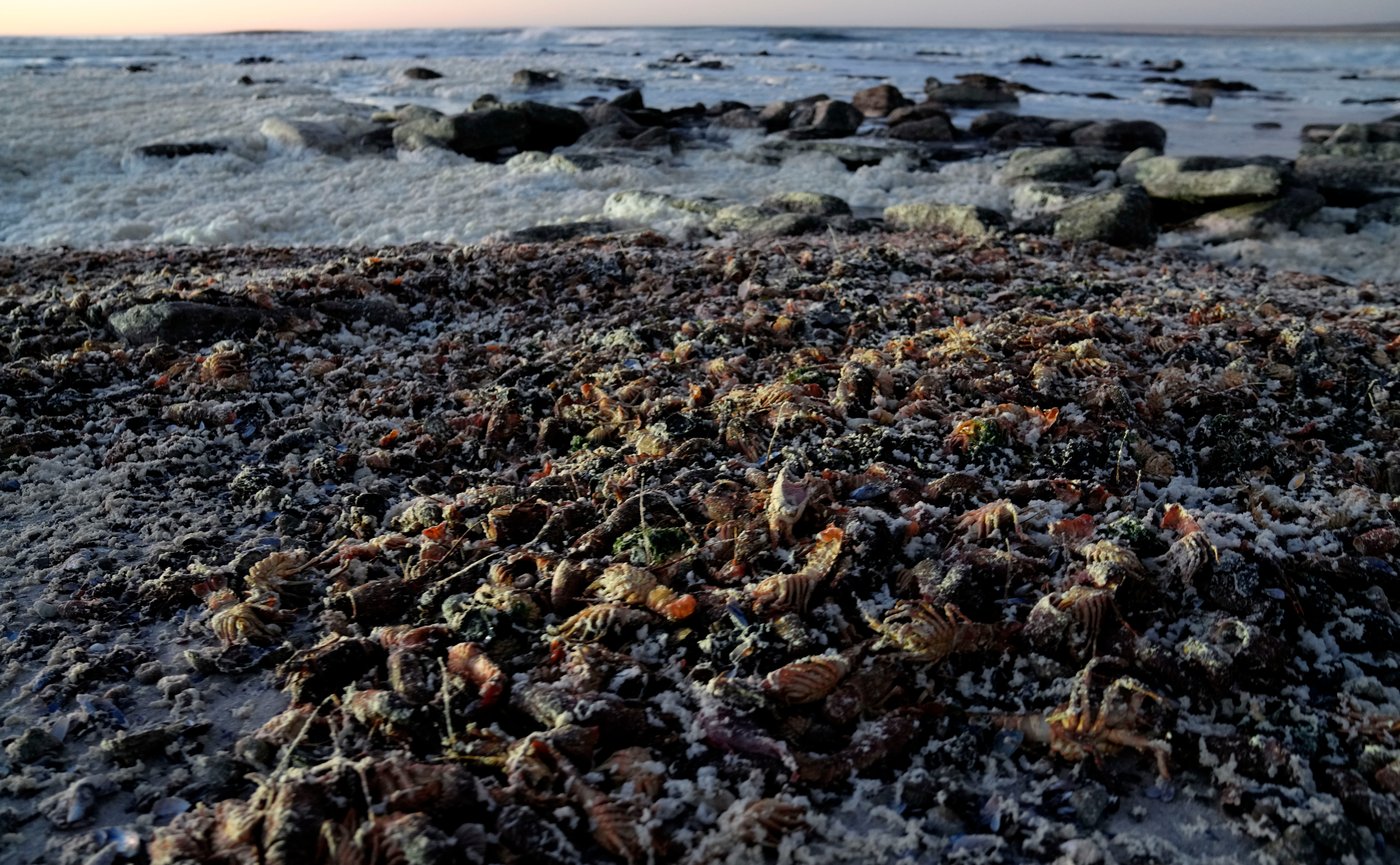
CAPE TOWN, South Africa (AP) — A toxic algae bloom known as a red tide is causing the mass deaths of crayfish and other ocean life on parts of South Africa’s west coast.
The environment ministry warned people on Thursday against collecting and eating the crayfish, which could be toxic, and police were deployed on some beaches.
A red tide occurs when colonies of algae in the ocean grow out of control, according to the U.S. government’s National Ocean Service. The algae give the seawater a distinct reddish tinge, and produce toxins that kill fish and shellfish.
It’s a reasonably common happening in South African coastal areas, but this week’s red tide was an especially severe one, according to South Africa’s Ministry of Forestry, Fisheries and the Environment.
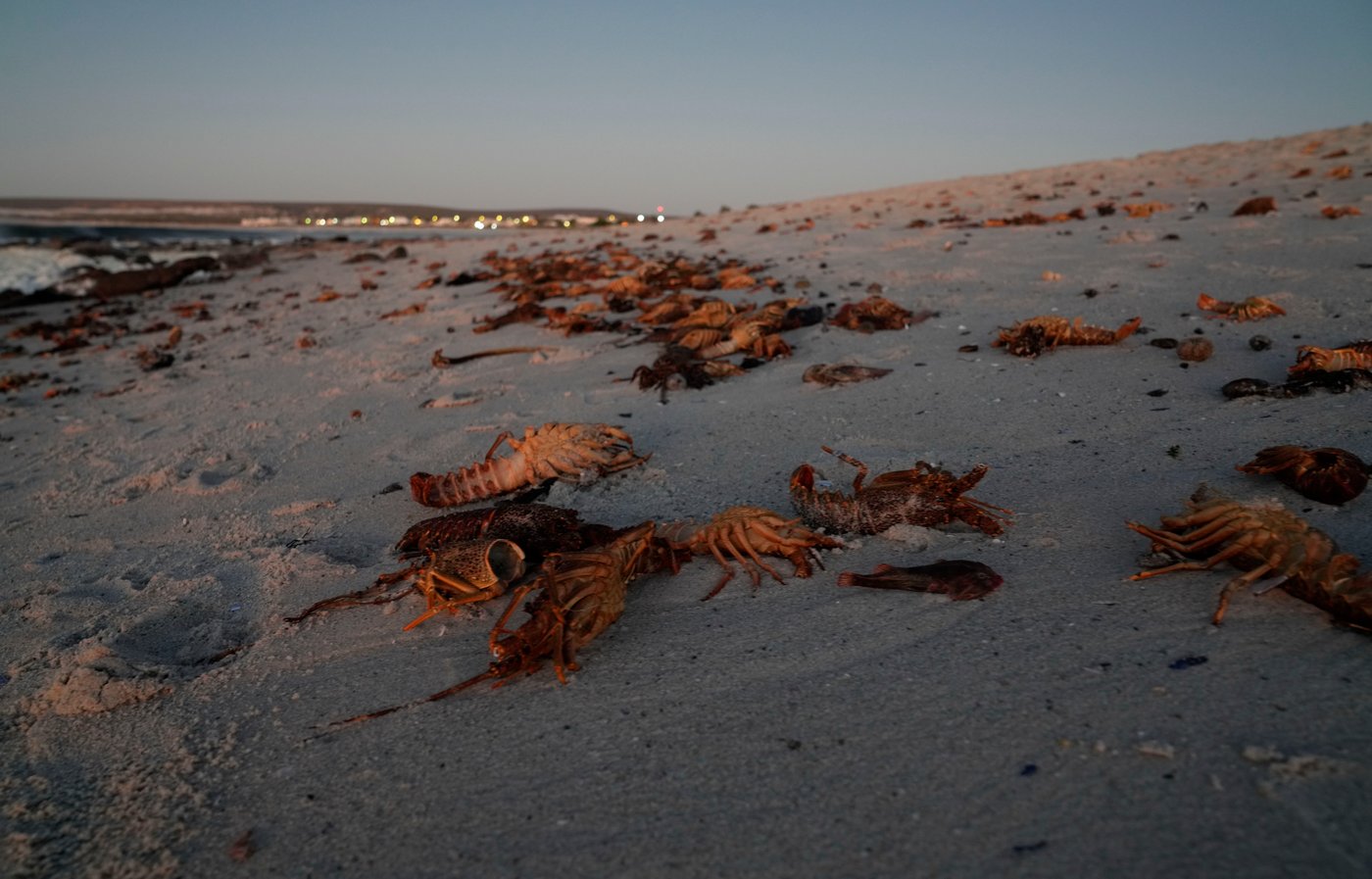
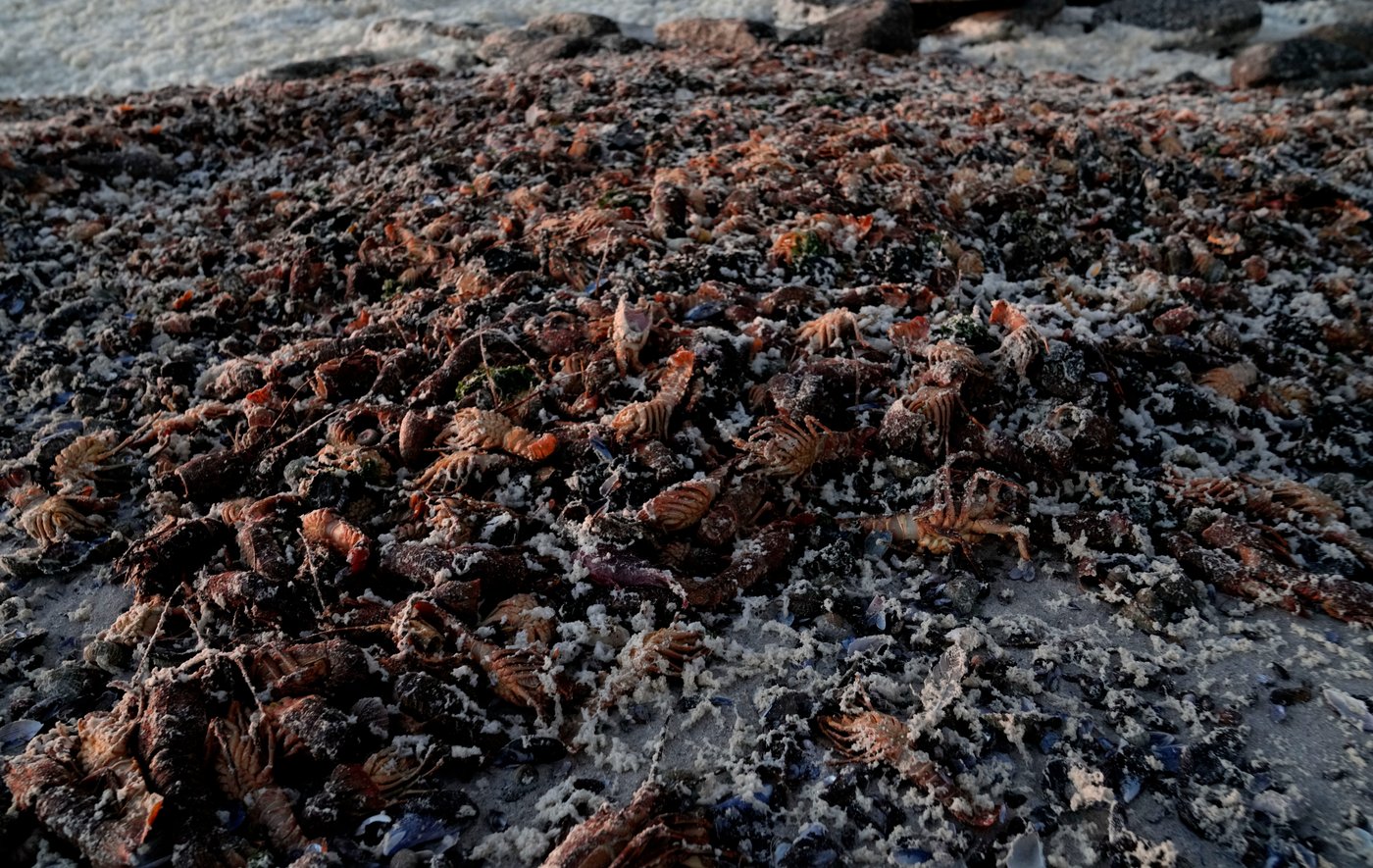
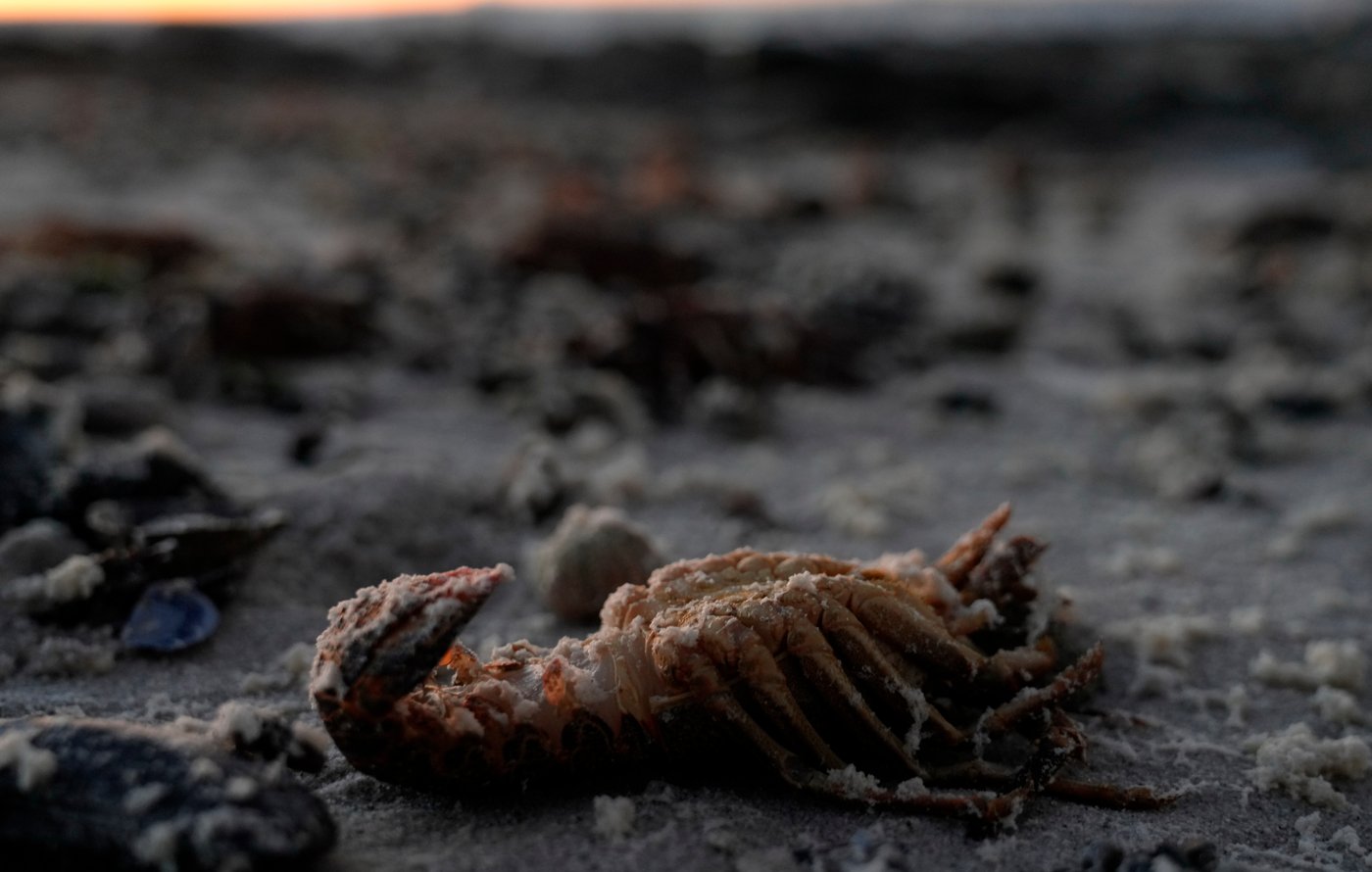
It said the red tide caused a “mass walkout” by crayfish — also known as rock lobsters — at Elands Bay, which is about 220 kilometers (135 miles) north of Cape Town. The crayfish were attempting to escape the toxins given off by the algae, but piles of them could be seen dead or dying on beaches alongside fish.
Crayfish is a prized meal in South Africa, and the environment ministry said more than 20 people had to be removed from one beach while trying to collect some of the crayfish. It said they could contain lethal neurotoxins.
Officials from the ministry were working to save any live crayfish and dispose of the piles of dead ones safely, the ministry said.
___
AP Africa news: https://apnews.com/hub/africa

News from © The Associated Press, . All rights reserved.
This material may not be published, broadcast, rewritten or redistributed.

This site is protected by reCAPTCHA and the Google Privacy Policy and Terms of Service apply.
Want to share your thoughts, add context, or connect with others in your community?
You must be logged in to post a comment.