Elevate your local knowledge
Sign up for the iNFOnews newsletter today!
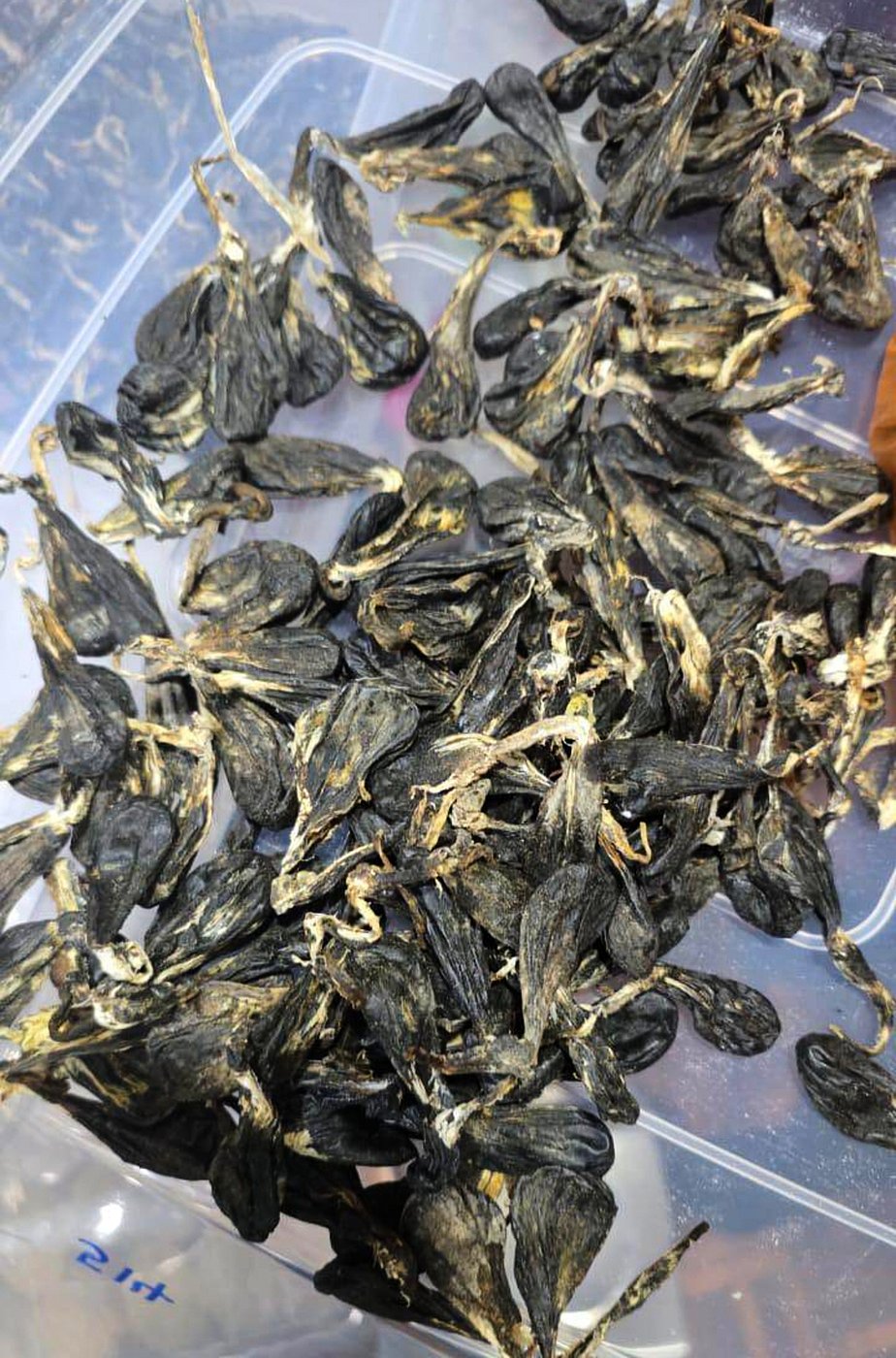
KUALA LUMPUR, Malaysia (AP) — A Vietnamese man pleaded guilty in a Malaysian court on Friday to possessing protected wildlife parts without a license, his lawyer said.
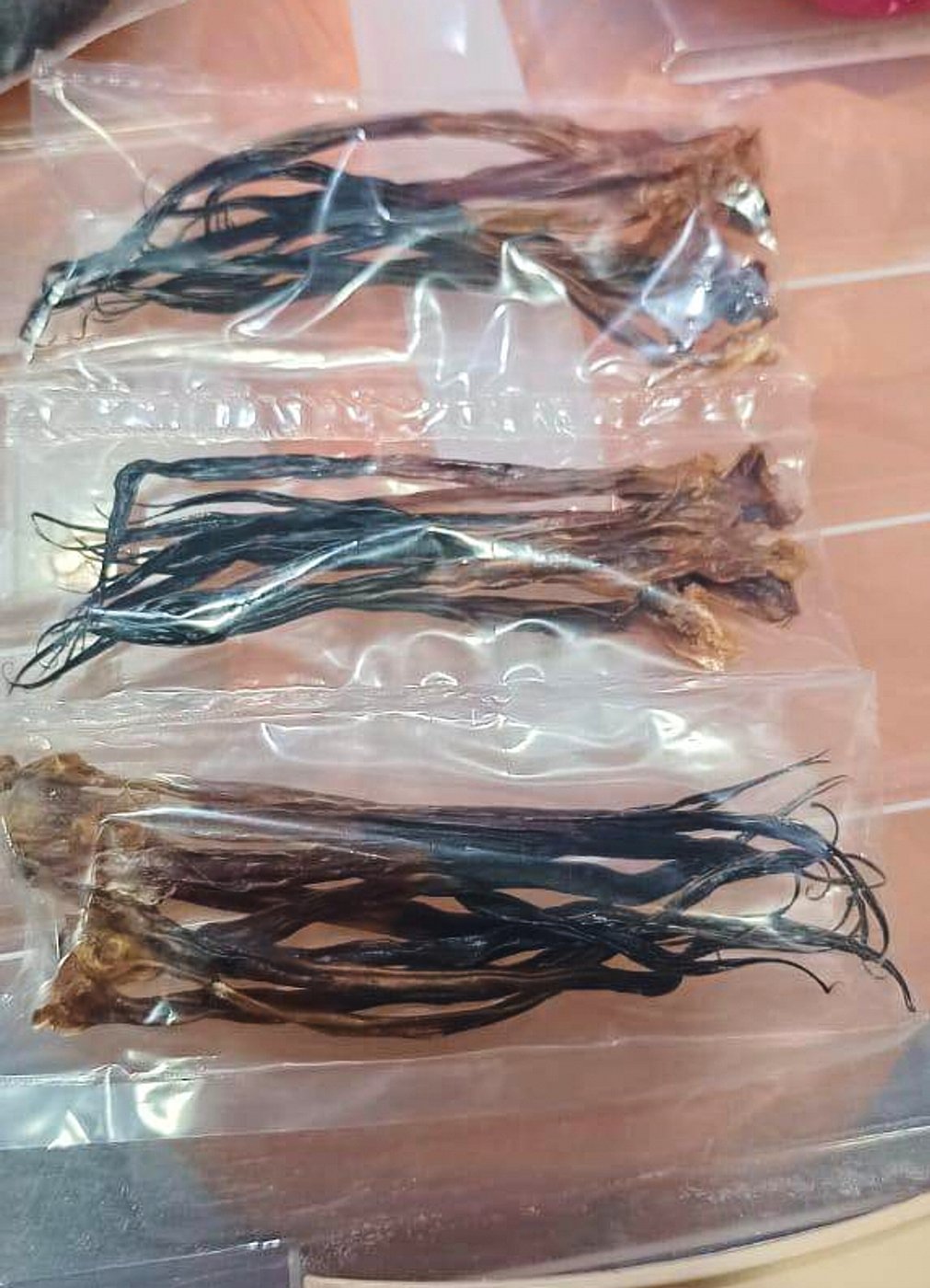
Hoang Van Thai, 39, was charged with possessing 1,022 gallbladders and 191 tongue parts from the python reticulatus, a protected species, at a property in southern Johor state.
The items were among wildlife parts found during a raid on April 4 by the Wildlife Department, which estimated the value of the haul at nearly 37 million ringgit ($9.3 million). The haul included python gallbladders and other parts, bear bile, suspected tiger parts, primate remains and reproductive organs believed to be linked to the illegal international wildlife trade.
Malaysia is a major hub for the illegal wildlife trade, serving as both a source and transit point for trafficked species, driven by demand for exotic animals and their parts.
It’s unclear why Hoang was charged with only the python parts. Python bile, which is contained in the gallbladder, is believed by some to have medicinal properties, while the tongue is used in traditional rituals or as an aphrodisiac.
Defense lawyer Mohamad Fazaly Ali Mohamad Ghazaly said he had disputed the valuation by the wildlife department in court as there was no documentation to support it. He said Hoang came to Malaysia in November and worked as a driver, while his two children were studying in Malaysia.
Hoang, who will be sentenced later, faces up to three years in jail, a fine or both. The court will verify his immigration status on April 20 before ruling on bail. Prosecutors objected to bail, saying the large quantity of seized items suggested an organized activity.
Johor Malaysia Nature Society adviser Vincent Chow was quoted by The Star English-language newspaper as saying that Hoang may have acted as a stockist for a larger syndicate.
“Most of the wildlife parts seized have already been processed and some were even packed, likely waiting to be shipped out either to the local or international market,” he said.
News from © The Associated Press, . All rights reserved.
This material may not be published, broadcast, rewritten or redistributed.

This site is protected by reCAPTCHA and the Google Privacy Policy and Terms of Service apply.
Want to share your thoughts, add context, or connect with others in your community?
You must be logged in to post a comment.