Elevate your local knowledge
Sign up for the iNFOnews newsletter today!
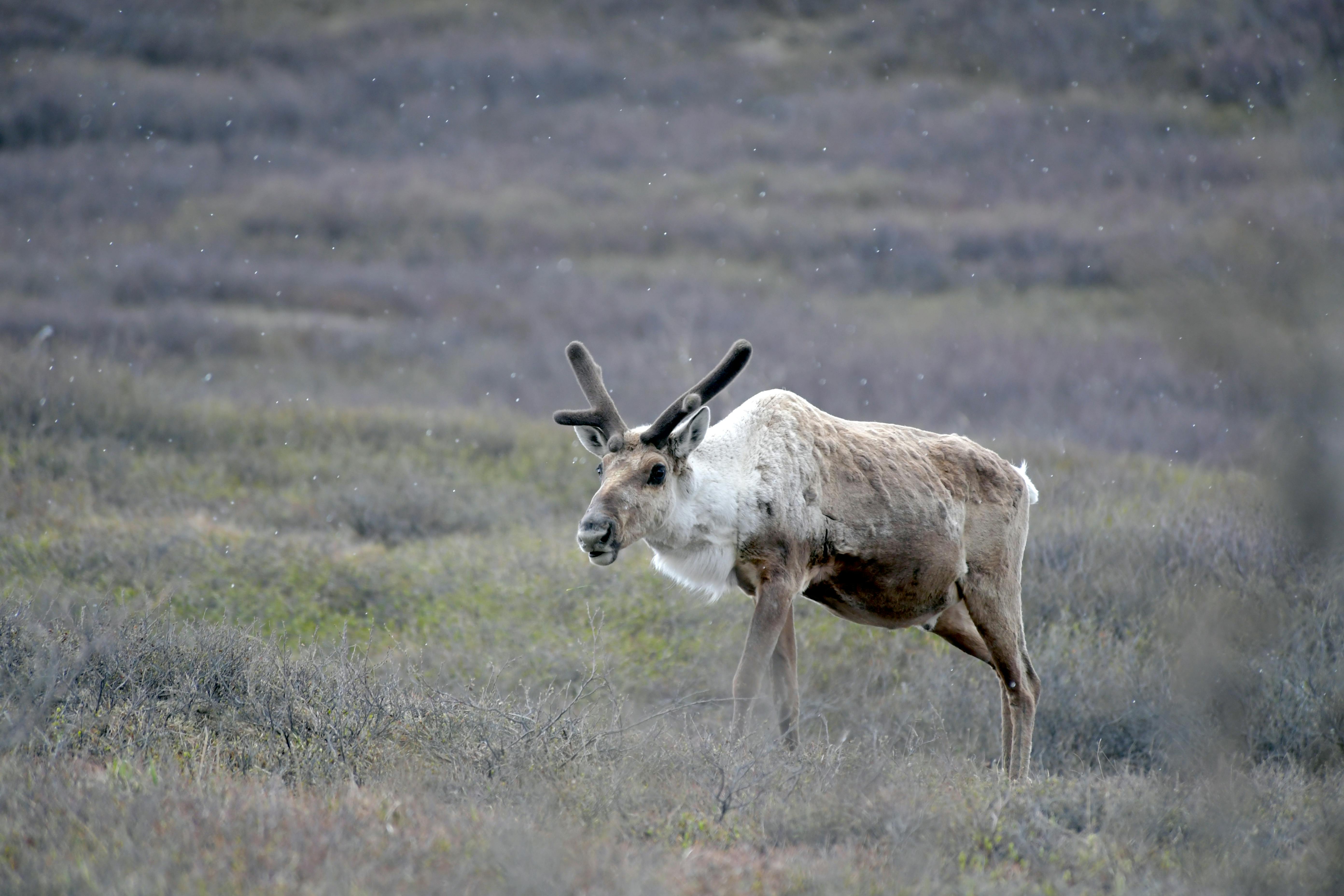
A BC wildlife biologist whose method of collecting hair from caribou was deemed “hunting” has lost an appeal after his research permit was suspended for a year.
University of Northern British Columbia adjunct professor Doug Heard had been researching caribou in north central BC since 2018, using a provincial permit that allowed him to collect hair and feces for DNA and hormone analysis.
However, in 2024, the provincial regulator caught him on camera using a small device that fired a cable with an alligator clip attached to it to capture hair from caribou while they were feeding.
The Recreational Fisheries and Wildlife Programs director deemed Heard was “hunting” in an area closed to hunting and suspended his permit for a year.
Heard argued he used a cable caster, a small gun-like device that fires a cable, and his actions could not be considered “hunting.”
The researcher took the issue to the BC Environmental Appeal Board, arguing he should be allowed to continue his work.
“(Heard) was in fact shooting at, searching for, pursuing, following after, and stalking wildlife with the intention of capturing… live caribou hair, from that wildlife,” the Board ruled. “The question remains as to whether these actions constituted a ‘hunt.’”
The decision said that Heard has had previous issues with the scope of what the permits will allow him to do.
In 2021, the province cancelled a permit that allowed him to use a dart gun, stating it couldn’t be used in a designated no-shooting and no-hunting area.
The next year, he applied to see if he could use a “poke stick, a dart gun, or a toy crossbow,” but was refused. The province said these methods had the potential to cause stress to the caribou.

Then in 2024, Heard was captured on the live webcam at the caribou feeding station using his current method.
Heard argued that his method of using the cable caster with an alligator clip is less invasive than methods which were previously rejected, and can not be considered “hunting.”
However, the Environmental Appeal Board didn’t agree.
“I find that the (Heard’s) intention to capture hair directly from live caribou constituted an ‘intention to capture the wildlife’ for purposes of the definition of ‘hunt’ under the (Wildlife) Act,” the Board said. “Accordingly, I find… Heard was hunting caribou… during a closed hunting season, without being authorized to do so.”
Heard argued he should be given his permit back, pointing to his research and its contribution to caribou recovery.
The Board acknowledged his contribution to the caribou, calling it “significant and commendable.”
However, the Board said Heard was aware that he could only collect hair “opportunistically,” and that his collection techniques weren’t allowed.
“That he proceeded to collect hair samples directly from caribou using the cable caster and alligator clip method, without first seeking approval… are aggravating factors,” the Board.
Ultimately, the Board dismissed his appeal and upheld the one-year suspension of his permit.
News from © iNFOnews.ca, . All rights reserved.
This material may not be published, broadcast, rewritten or redistributed.

This site is protected by reCAPTCHA and the Google Privacy Policy and Terms of Service apply.
Want to share your thoughts, add context, or connect with others in your community?
You must be logged in to post a comment.