Elevate your local knowledge
Sign up for the iNFOnews newsletter today!
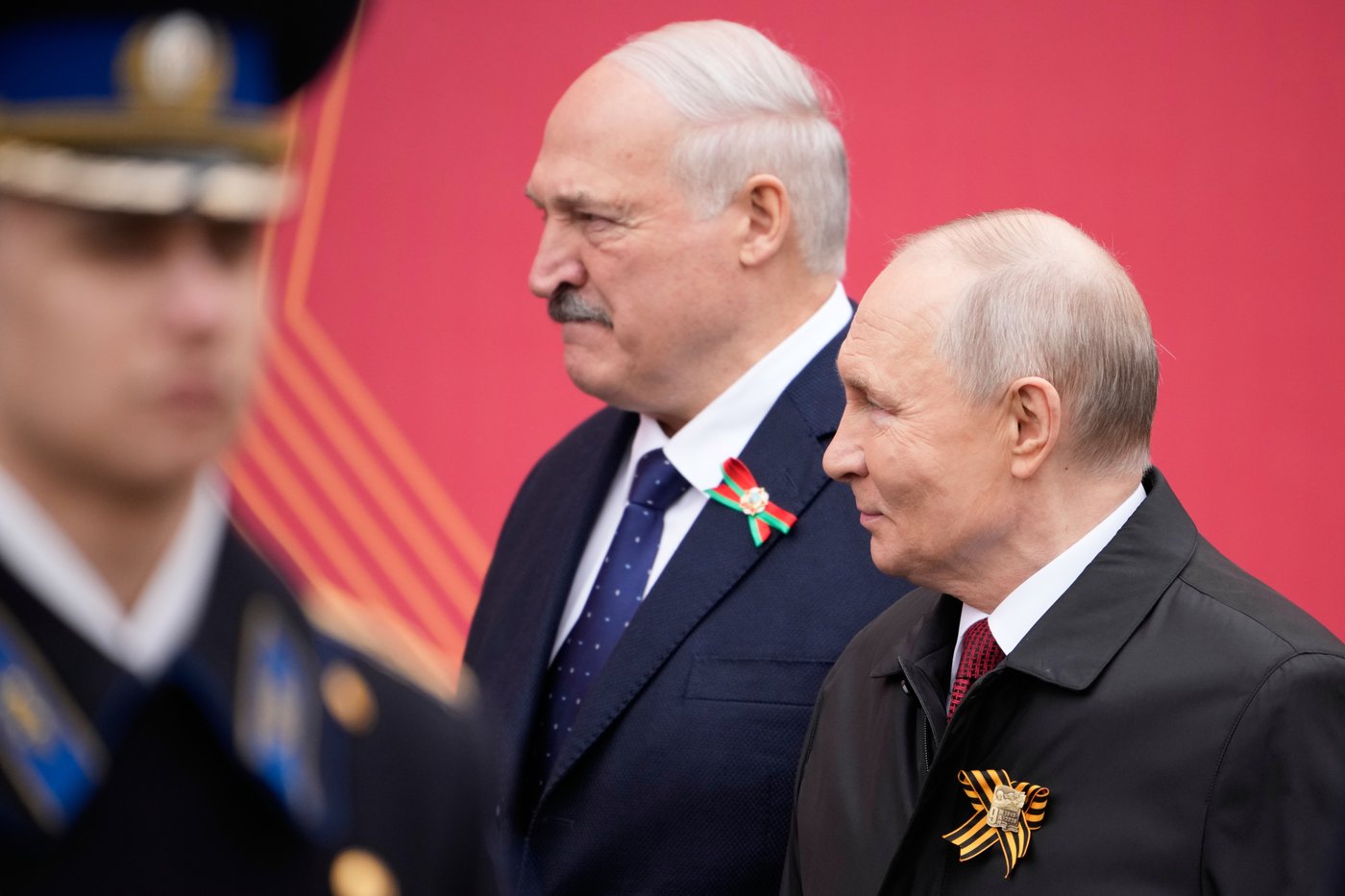
Belarus said Monday it launched joint drills with Russia to practice the use of nuclear weapons that Moscow has deployed on the territory of its neighbor and ally.
Belarus’ authoritarian President Alexander Lukashenko has allowed Russia to deploy some of its tactical nuclear weapons to his country. In December, Russia also announced that its latest intermediate range nuclear-capable Oreshnik missile system entered service in Belarus, which borders Ukraine and NATO members Poland, Latvia and Lithuania.
The Belarusian Defense Ministry said that the drills will involve missile units and warplanes.
“During the exercise, in cooperation with the Russian side, it is planned to practice the delivery of nuclear weapons and preparations for their use,” the ministry said in a statement. It said the drills will focus on training forces to move covertly across large distances.
It said the maneuvers had been planned in advance and weren’t aimed against any third countries.
Lukashenko has ruled the nation of 9.5 million with an iron fist for more than three decades. His government has been repeatedly sanctioned by the West for its crackdown on human rights and for allowing Moscow to use its territory for the invasion of Ukraine in February 2022.
In 2024, the Kremlin released a revised nuclear doctrine that placed Belarus under the Russian nuclear umbrella. Russian President Vladimir Putin has said that Moscow will retain control of its nuclear weapons deployed to Belarus, but would allow its ally to select the targets in case of conflict.
Russia has used a conventionally armed version of the Oreshnik — Russian for hazelnut tree — to strike facilities in Ukraine on two occasions — in November 2024 and then again in January.
Putin has claimed that Oreshnik’s multiple warheads plunge at speeds of up to Mach 10 and can’t be intercepted, and that several such missiles used in a conventional strike could be as devastating as a nuclear attack.
Intermediate-range missiles can fly between 500 to 5,500 kilometers (310 to 3,400 miles). Such weapons were banned under a Soviet-era treaty that Washington and Moscow abandoned in 2019.
Belarusian opposition leader Sviatlana Tsikhanouskaya criticized the drills, saying that the deployment of Russian nuclear weapons has “turned Belarus into a target.”
“Lukashenko has turned Belarus into a platform for Russian threats, but Belarusians don’t need these weapons,” Tsikhanouskaya told The Associated Press. “Only a free Belarus will become a source of security, not nuclear blackmail, in Europe.”
News from © The Associated Press, . All rights reserved.
This material may not be published, broadcast, rewritten or redistributed.

This site is protected by reCAPTCHA and the Google Privacy Policy and Terms of Service apply.
Want to share your thoughts, add context, or connect with others in your community?
You must be logged in to post a comment.