Elevate your local knowledge
Sign up for the iNFOnews newsletter today!
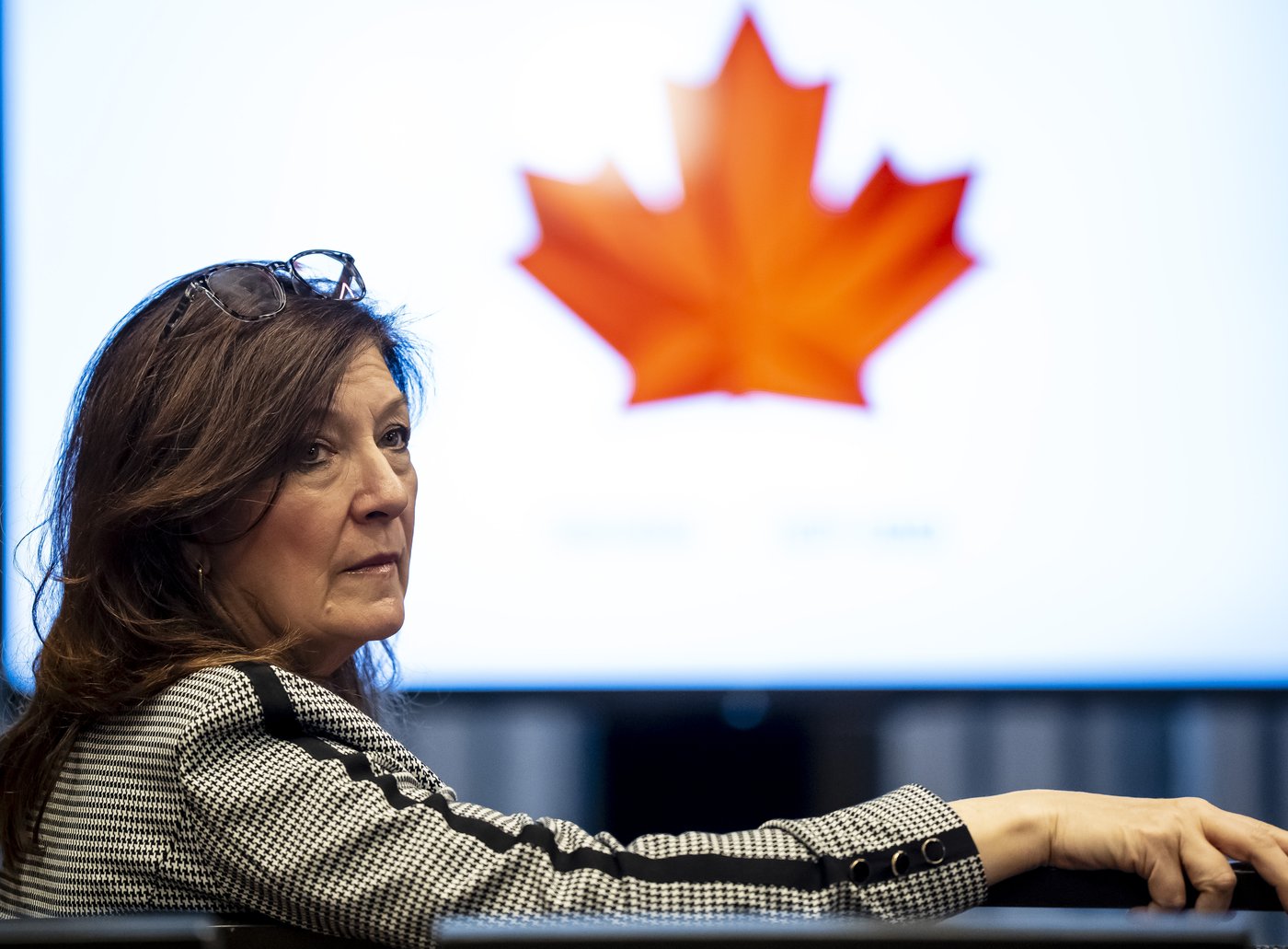
A new report on women in Canadian sport leadership roles presents a mixed bag of progress, stalling and backtracking.
The number of women on the boards of national sports organizations, which are unpaid positions, has jumped. The number of women who are paid chief executive officers has plummeted.
Canadian Women and Sport released its 2025-26 “Women in Sport Leadership Snapshot” report Tuesday, saying women now hold a record 45 per cent of board seats and 48 per cent of board chair positions in national sport organizations.
“It really shows that the sports system is capable of change,” CWS chief executive officer Allison Sandmeyer-Graves said. “This is a lot of individual organizations choosing to put the effort in to get that result.”
Women make up 48 per cent of senior staff across the national sport system, but just 34 per cent of CEOs or executive directors — down eight percentage points since 2023 and the lowest level since Canadian Women and Sport began collecting the data in 2018.
“That’s a really dramatic drop,” Sandmeyer-Graves said. “What Canadians care most about is kids being healthy, kids having all the opportunities available to them to grow up with good mental health, good physical health, opportunities to have a strong sense of community, to develop those essential leadership skills.
“What we know is that too many kids are being left on the sidelines of those opportunities and, in this case, we’re specifically talking about girls.
“How does leadership connect to that? Well, more inclusive leadership produces a more inclusive sports system, period. It really is a very powerful and effective lever that we can use to change the system by having women’s perspectives directly involved in decision-making of all kinds within sport.”
Tuesday’s snapshot didn’t include pro sport, but drew data from national, provincial and territorial sport bodies — which predominantly give children their start and pathways in sport — plus multi-service organizations such as the Canadian Olympic and Paralympic committees, and the network of sport institutes across Canada.
In sport leadership roles in provinces and territories, women made up 45 per cent of boards, 47 per cent of senior staff, 40 per cent of board chairs and 46 per cent of chief executive officers or executive directors.
Why that matters, according to CWS, is that national sport leaders often cut their teeth at the provincial and territorial level.
The report revealed a void in the number of Indigenous women, women of colour, women with disabilities and LGBTQ+ women on boards and senior staff. The report pointed out that men from those groups experience similar gaps.
An unnamed woman on a provincial/territorial sports board quoted in the report said, “I’m always the only Black woman. I’m not always the only woman … but I am always and have still to this day been the only Black woman.”
“Opportunities for leadership for women in this space are not benefiting everyone, and we’re missing some really important perspectives,” Sandmeyer-Graves said.
“The progress has reflected existing privileges in our society and within the sports system. Greater intention is going to be required to ensure that the representation that we see in sport leadership reflects Canada and the communities that we are serving.”
Among the calls to action in the Future of Sport in Canada Commission’s final report in March was to make diversity mandatory in board member selection criteria.
While sports organizations have equity, diversity and inclusion policies and strategies, they have done little to diversify boards, the report said.
Future of Sport in Canada Commission recommendations to overhaul the sport system, along with the federal government’s announcement last month of $775 million in new funding over five years, represent an opportunity, Sandmeyer-Graves said.
“We are bound and determined that women and girls will benefit from this investment, but more so that it actually, truly is embedded,” she said.
“When we look at the CEOs, that doesn’t mean everyone has to have a woman as CEO because that’s just not realistic, but it does speak to what is your policy for recruitment? What is your nomination process for your board? How do you reduce the bias that exists in those spaces, not as a matter of personal preference or personal practice, but organizational policy?
“That’s the sort of thing that can generate progress and protect progress so we can see change sustained.”
This report by The Canadian Press was first published May 26, 2026.
News from © The Canadian Press, . All rights reserved.
This material may not be published, broadcast, rewritten or redistributed.

This site is protected by reCAPTCHA and the Google Privacy Policy and Terms of Service apply.
Want to share your thoughts, add context, or connect with others in your community?
You must be logged in to post a comment.