Elevate your local knowledge
Sign up for the iNFOnews newsletter today!
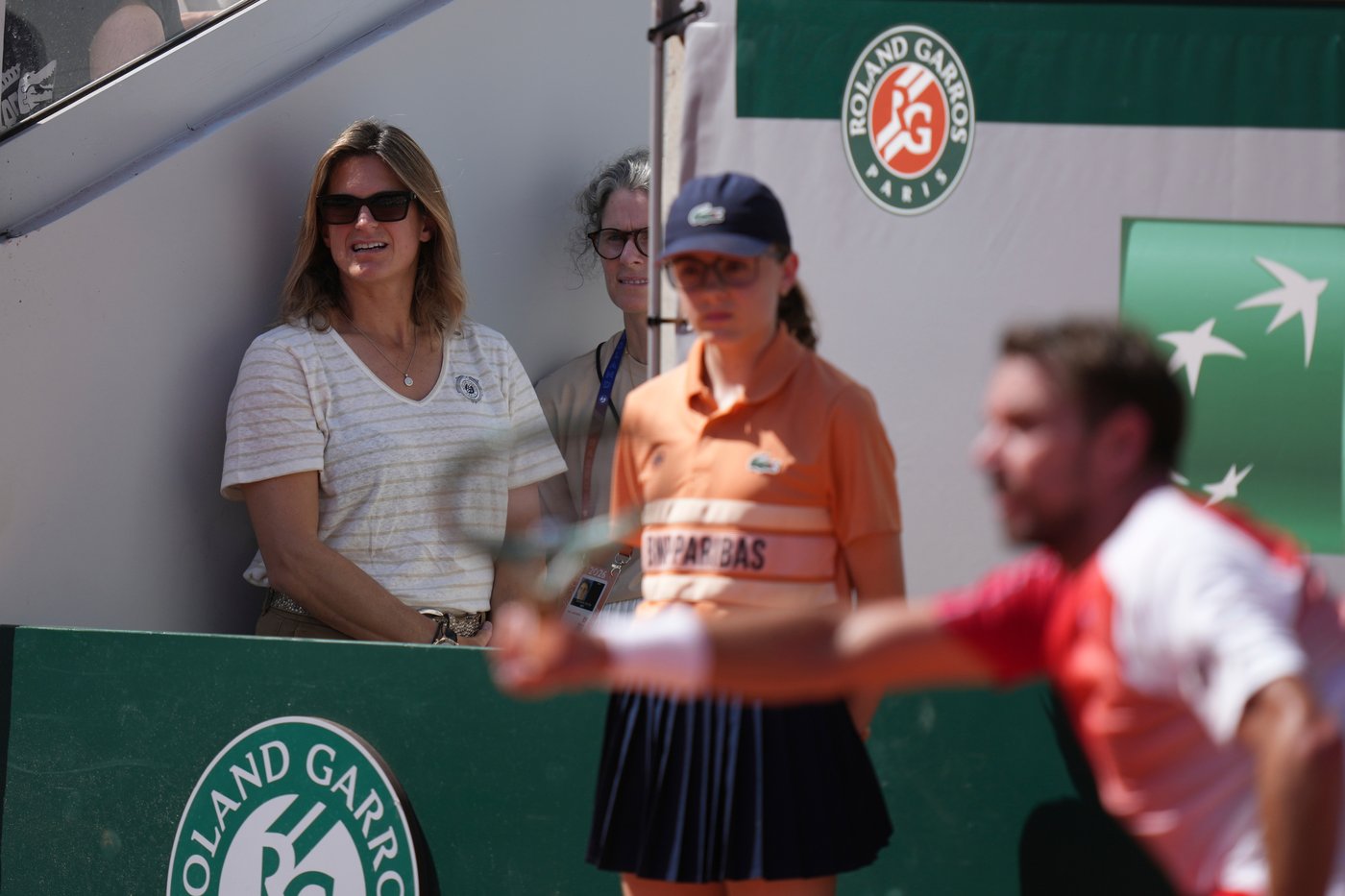
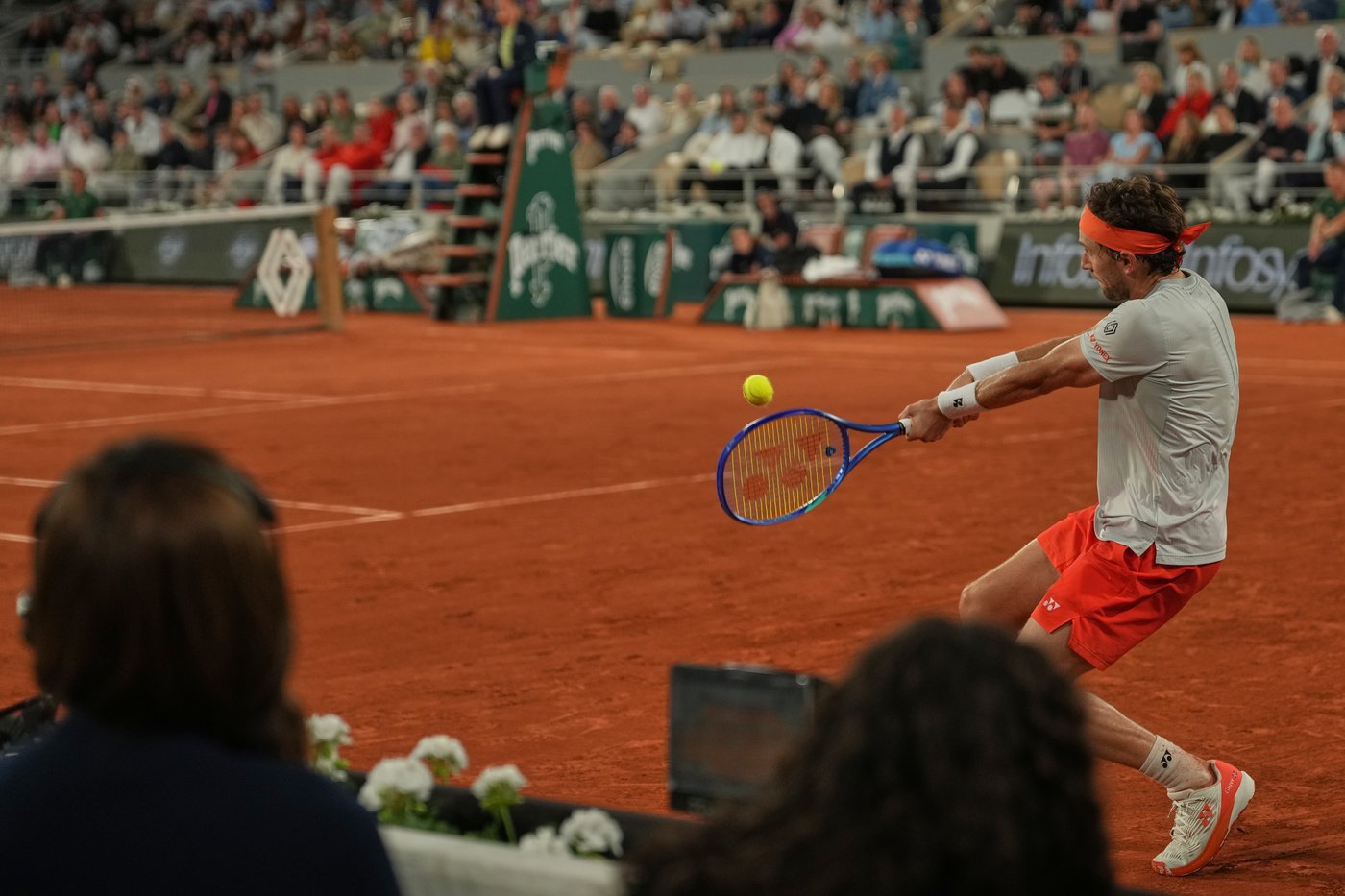
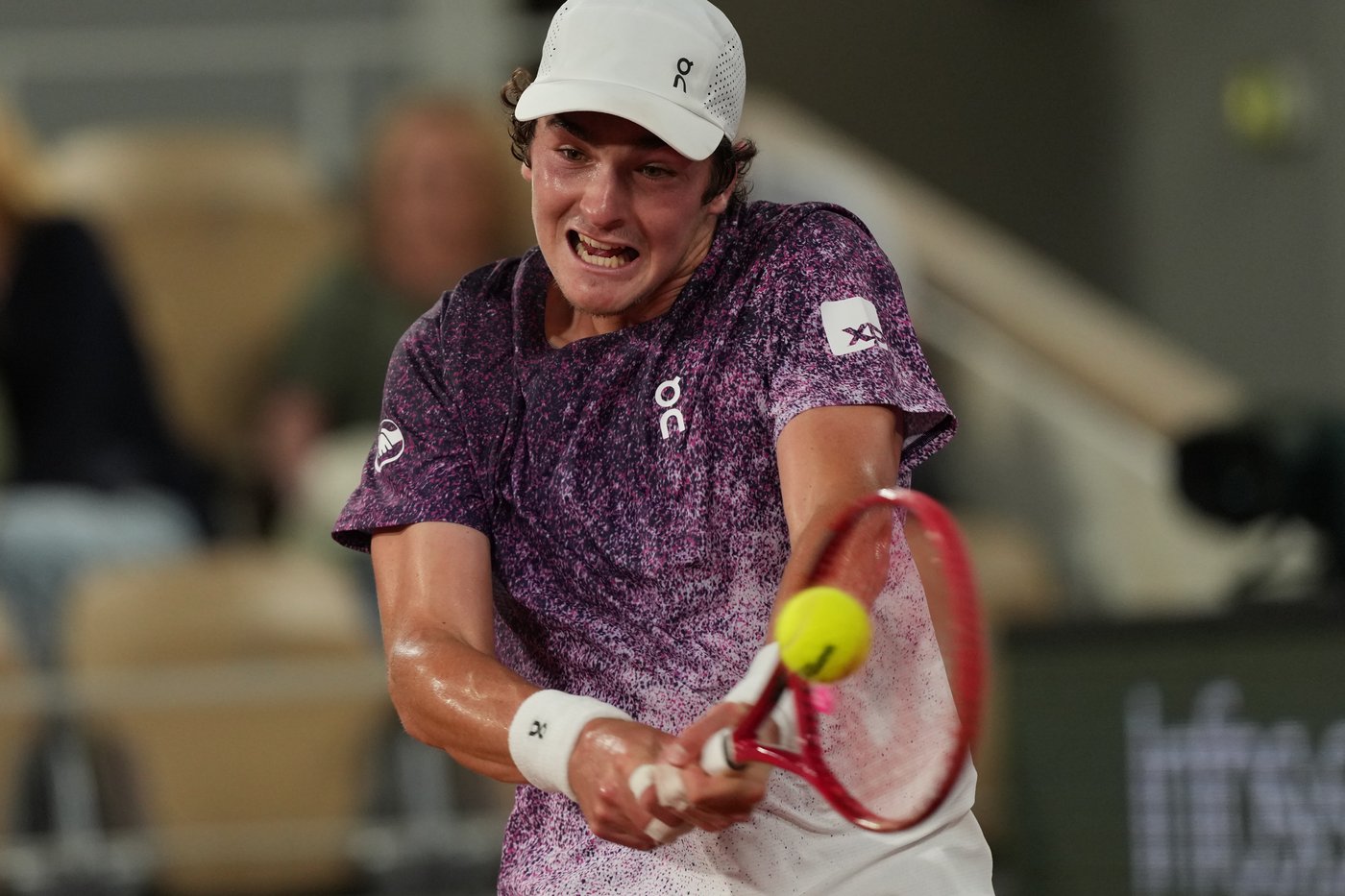
PARIS (AP) — French Open director Amelie Mauresmo said on Monday that electronic line-calling is not 100% reliable on clay courts and has no immediate plans to introduce the technology at Roland Garros despite a controversial call during Casper Ruud’s loss against Joao Fonseca.
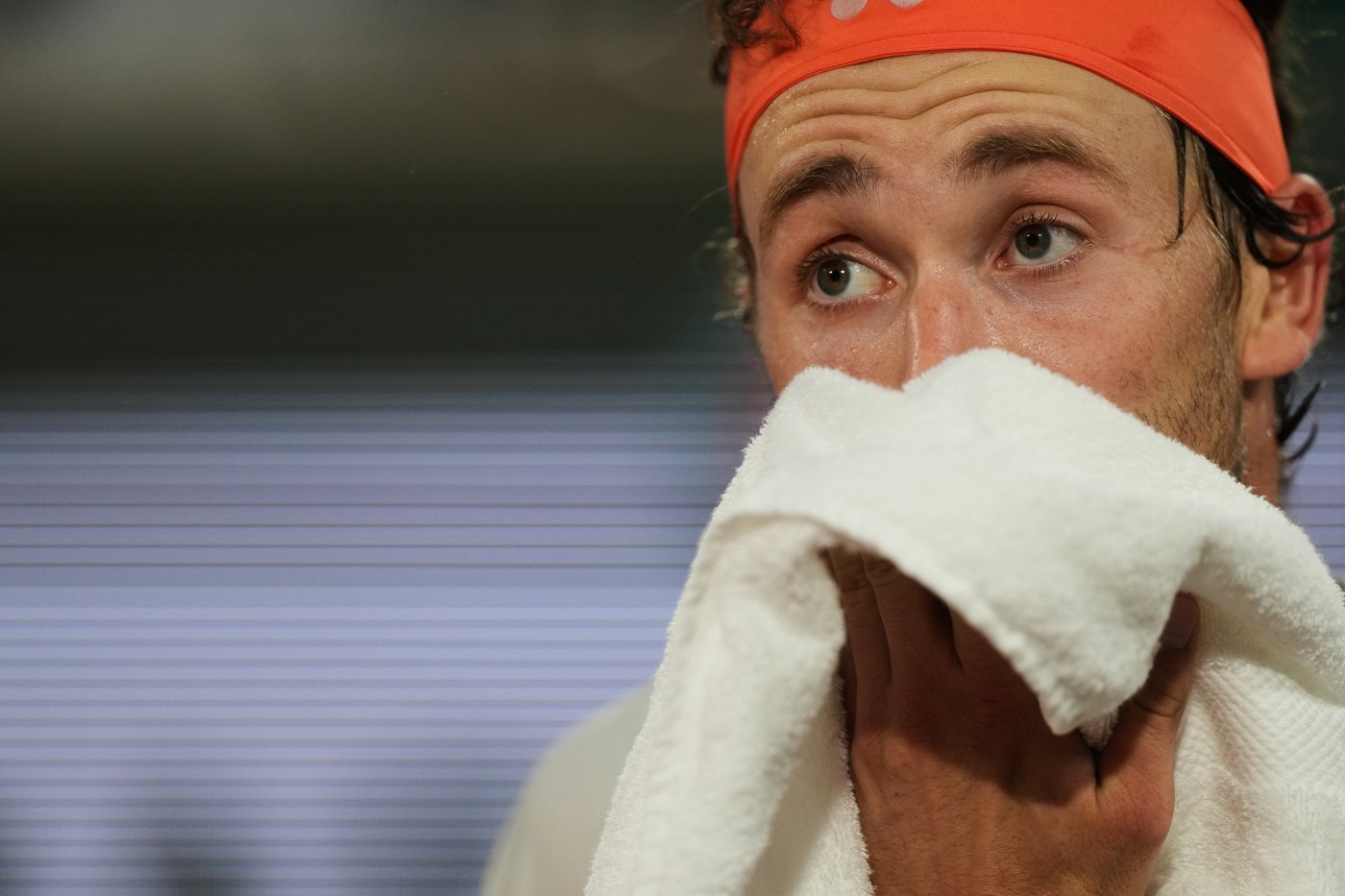
Ruud, a two-time runner-up in Paris, ultimately lost the fourth-round match 7-5, 7-6 (8), 5-7, 6-2 on Sunday evening. During the second-set tiebreaker, with Ruud up 8-7, a spectator in the crowd shouted that a forehand down the line hit by Fonseca had landed out. The chair umpire came down to check the mark and ruled that the Brazilian’s shot was in, handing him the point.
An electronic line-calling on television showed the ball was out.
Mauresmo, however, remains old school and said on Monday she still picks humans over technology, because it can’t be trusted entirely.
“What we observed at the clay-court tournaments leading up to Roland Garros is that the reliability of this system is not absolute,” she told journalists. “As of today, the machine is not 100 percent reliable, so we continue to place our confidence in human officials.”
Wimbledon, the oldest Grand Slam tournament, replaced line judges with electronic line-calling last year. The move made the French Open the only major without some form of electronic line-calling. The Australian Open and U.S. Open already had eliminated line judges and only have chair umpires on court.
The WTA and ATP have added machine-generated rulings for events on red clay, but Grand Slam hosts can do what they want. Although disputes over marks are not rare at Roland Garros, Mauresmo said that many players recognize that the system is not entirely reliable on clay, a live surface constantly changing with weather conditions that poses challenges to accurate digital tracking.
“So we have received no real feedback pushing us in that direction (of electronic line-calling),” she said, adding that a review will be made after the tournament.
“For us today, what matters is reaffirming our trust in human officials,” Mauresmo said. “We’ve made that choice for 2026. As for 2027, we’ll see. We remain open to any new technology that becomes available to us.”
Mauresmo said that looking at Rudd’s reaction after the call, she could tell “he was not shocked by the decision.”
Ruud said after the match “the forehand he hit, it was marginal, either in or out. It was called in, obviously. So if I win that set, maybe it can be two-one up instead of two-one down. Instead of love-two, you’re one-all. So that’s unfortunate, obviously, in my situation.”
___
AP tennis: https://apnews.com/hub/tennis
News from © The Associated Press, . All rights reserved.
This material may not be published, broadcast, rewritten or redistributed.

This site is protected by reCAPTCHA and the Google Privacy Policy and Terms of Service apply.
Want to share your thoughts, add context, or connect with others in your community?
You must be logged in to post a comment.