Elevate your local knowledge
Sign up for the iNFOnews newsletter today!
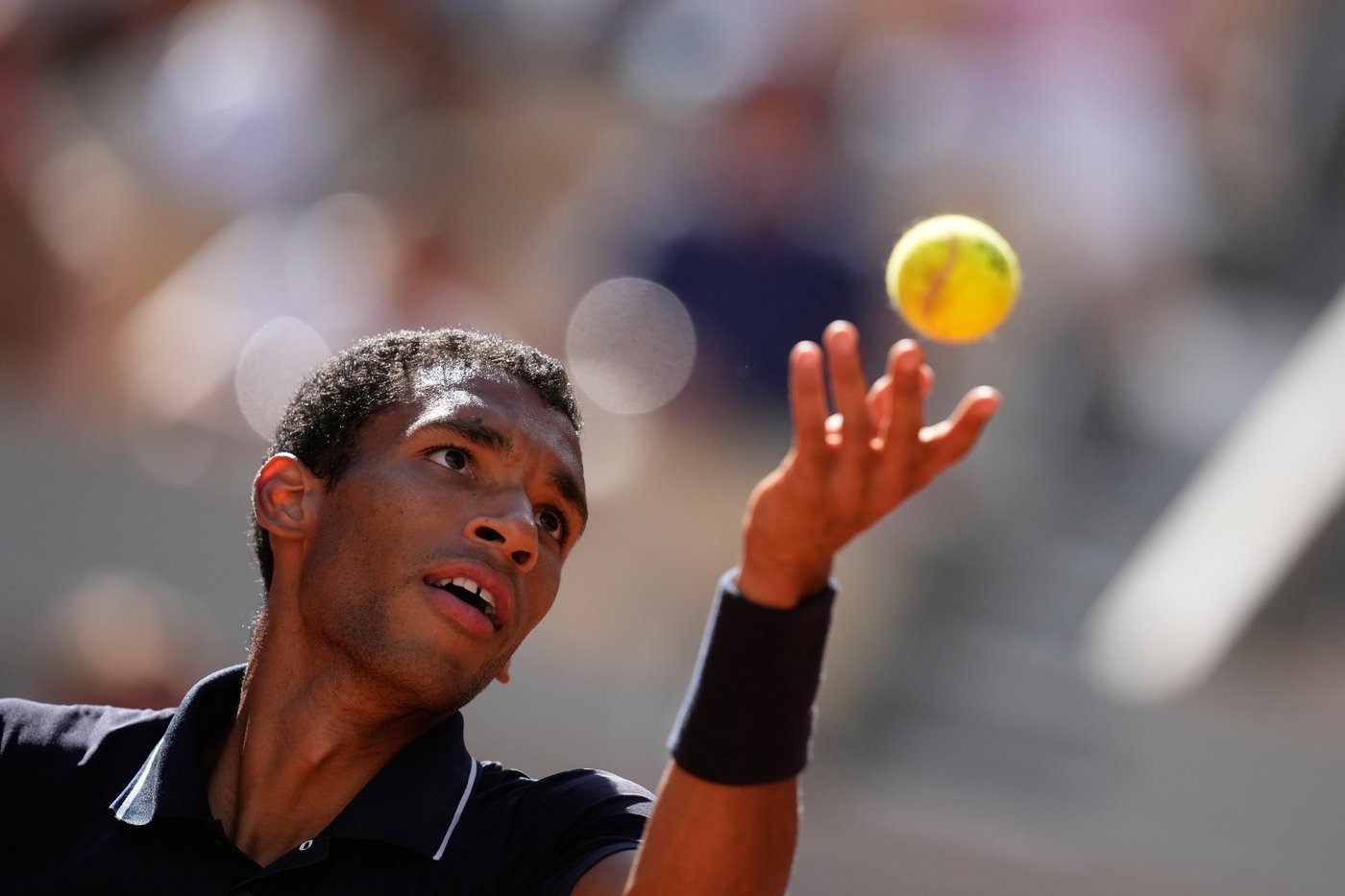
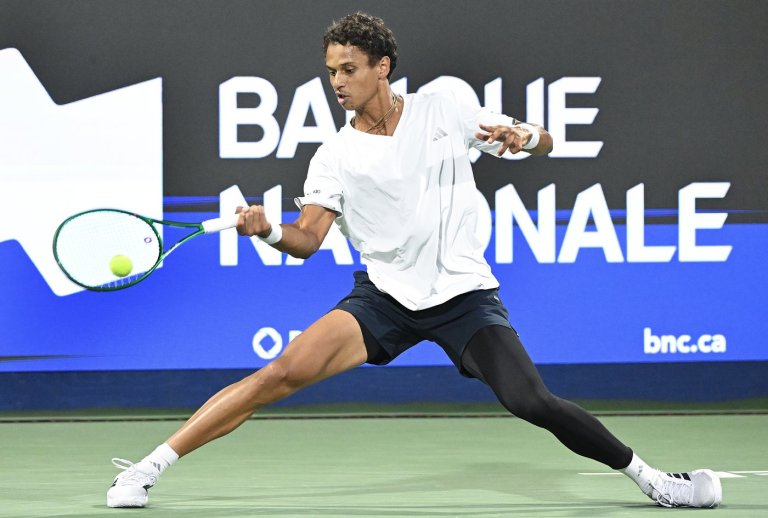
PARIS — The French Open is like the wild, wild west this year, in sharp contrast to recent times when Jannik Sinner or Carlos Alcaraz won every Grand Slam title. And among the gunslingers still in this shootout is Canadian Félix Auger-Aliassime.
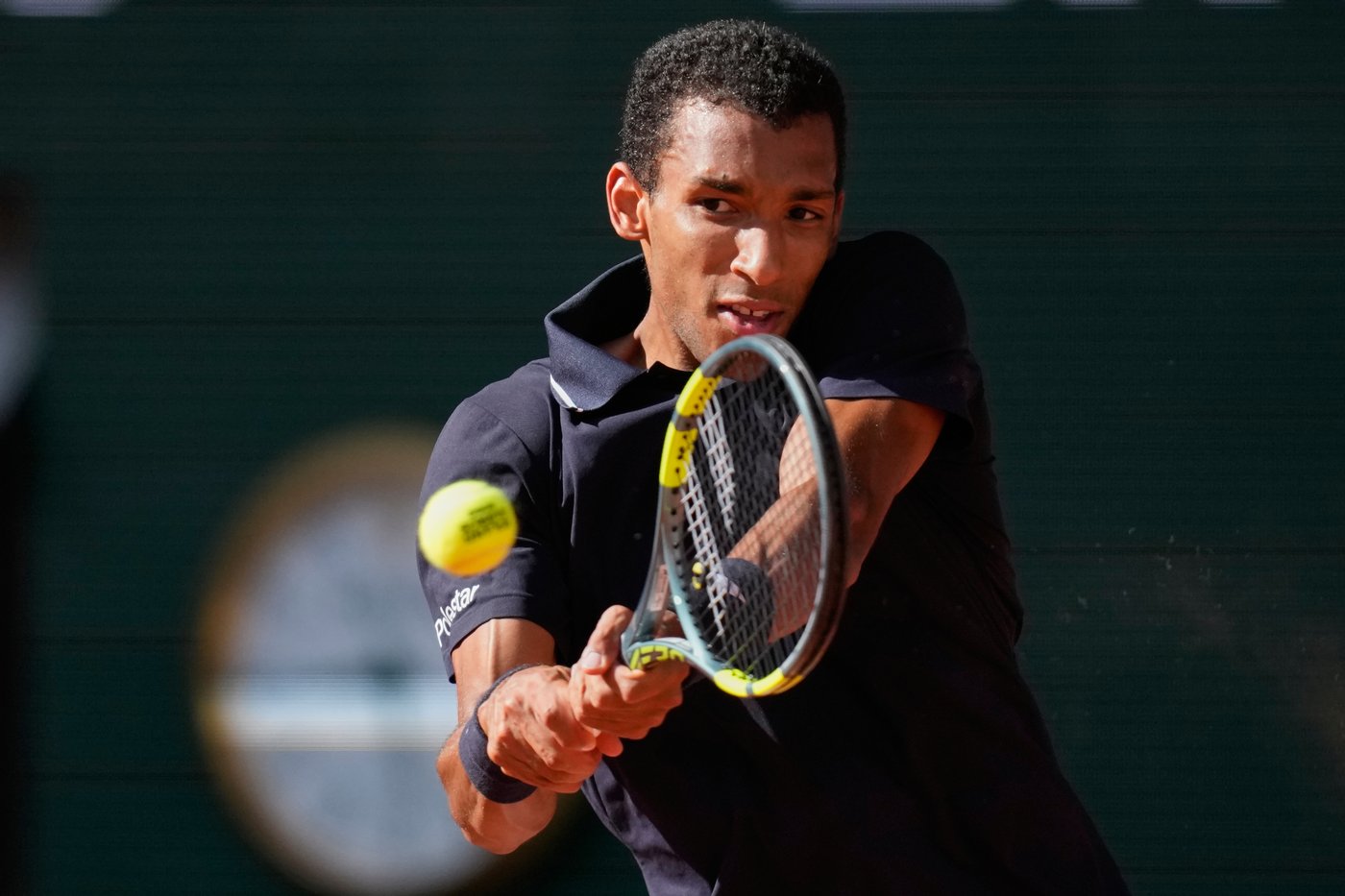
The 25-year-old from Montreal, the No. 4 seed but a long way from being fourth on the favorites list when the tournament began, moved into the quarterfinals after a routine 6-3, 7-5, 6-1 victory Monday over Toronto-born Chilean Alejandro Tabilo.
It’s his first career French Open quarterfinal. And it’s a major upgrade over last year, when he lost a five-set marathon to Italy’s Matteo Arnaldi in the first round.
Auger-Aliassime has now made the quarterfinals at all four Grand Slam tournaments in his career, and at all the Masters 1000-level events as well.
“My best match so far in the tournament. It feels good to play the way that I aspire to play in this game and today, in a Grand Slam, this is the type of match that you want to play,” he said.
Auger-Aliassime has made the second week in Paris twice before, losing in the fourth round to Carlos Alcaraz in 2024, and to 14-time champion Rafael Nadal in five sets in 2022.
This year, though, there is no Nadal, no Alcaraz. Tournament favorites Sinner and Novak Djokovic were shock early losers.
And that means that it’s anyone’s tournament to win. Or lose.
The way the remaining contenders handle the nerves, the belief – or lack of same – and manage the amount of fuel left in the tank after an overheated road to the final eight will determine who holds up the trophy on Sunday.
On Wednesday, Auger-Aliassime will face No. 10 seed Flavio Cobolli, who is 2-0 against him with both wins coming on hard courts – most recently in the first round of the National Bank Open in Montreal in 2024.
That match came just two days after Auger-Aliassime’s medal turn at the Paris Olympics, at Roland Garros on the red clay. It was a struggle.
“I came because I was playing at home, and I wanted to play in front of my crowd, but I was in no place to play well,” Auger-Aliassime said. “He destroyed me. I played terrible.”
It’s the first career French Open quarterfinal for Cobolli as well.
“When you see the way he moves, when you see his shots, you can see that he’s talented; you can see that he’s a very balanced player. He’s got great hands,” Auger-Aliassime said. “I have always been a fan of his game. I think he’s a great player.”
The winner will play either the surprising American Frances Tiafoe (the No. 19 seed), unseeded former Wimbledon finalist Matteo Berrettini (currently ranked No. 105) or Arnaldi, currently ranked No. 104 and also unseeded.
Out of that group will come one of the finalists.
Berrettini, who last played the French Open five long and injury-plagued years ago, when he was in the top 10 in the rankings, was a quarterfinalist that year.
They all came through the draw during a rarely-seen French Open heat wave. Temperatures were mired in the mid-30s C all week, the humidity was unbearable at times, and the parade of draining matches was endless.
The heavy favorite in the absence of Alcaraz, world No. 1 Sinner, was ousted in the second round by the little-known Juan Manuel Cerundolo of Argentina after leading two sets and 5-1 in the third set; as has happened before in his career, he was done in by the oppressive conditions.
Djokovic, who may never have had a better opportunity to win that elusive 25th career major, was up two sets to none against rising Brazilian teenager Joao Fonseca, but fell in five sets after four hours, 53 minutes.
Fonseca backed up the Djokovic victory with another over former French Open finalist Casper Ruud, in the fourth round on Sunday.
The 19-year-old with heavy expectations on his slender shoulders is very much alive in the bottom half of the draw where the kids, the up-and-coming generation, are trying to seize their moment as well.
No. 2 seed Alexander Zverev, so often denied a first major title first in the Federer-Nadal-Djokovic era, and now in the Sinner-Alcaraz era, is the only experienced one in the bunch.
Fonseca will play 20-year-old Jakub Mensik in one quarterfinal Tuesday. Zverev will play another 19-year-old, rising Spaniard Rafael Jodar.
Yes, another Spanish “Rafa” in Paris.
In the absence of a French interest, the Paris crowd surely will rally behind their Québécois cousin, who has a residence in Monte Carlo and a lot of sponsorship exposure in France in addition to sharing the language.
“There has always been nice complicity between our countries – especially with Québec. The French players really enjoy playing in Montreal, too,” Auger-Aliassime said. “And I hope that’ll continue. I’ll need their support in the complicated moments as the tournament goes along.”
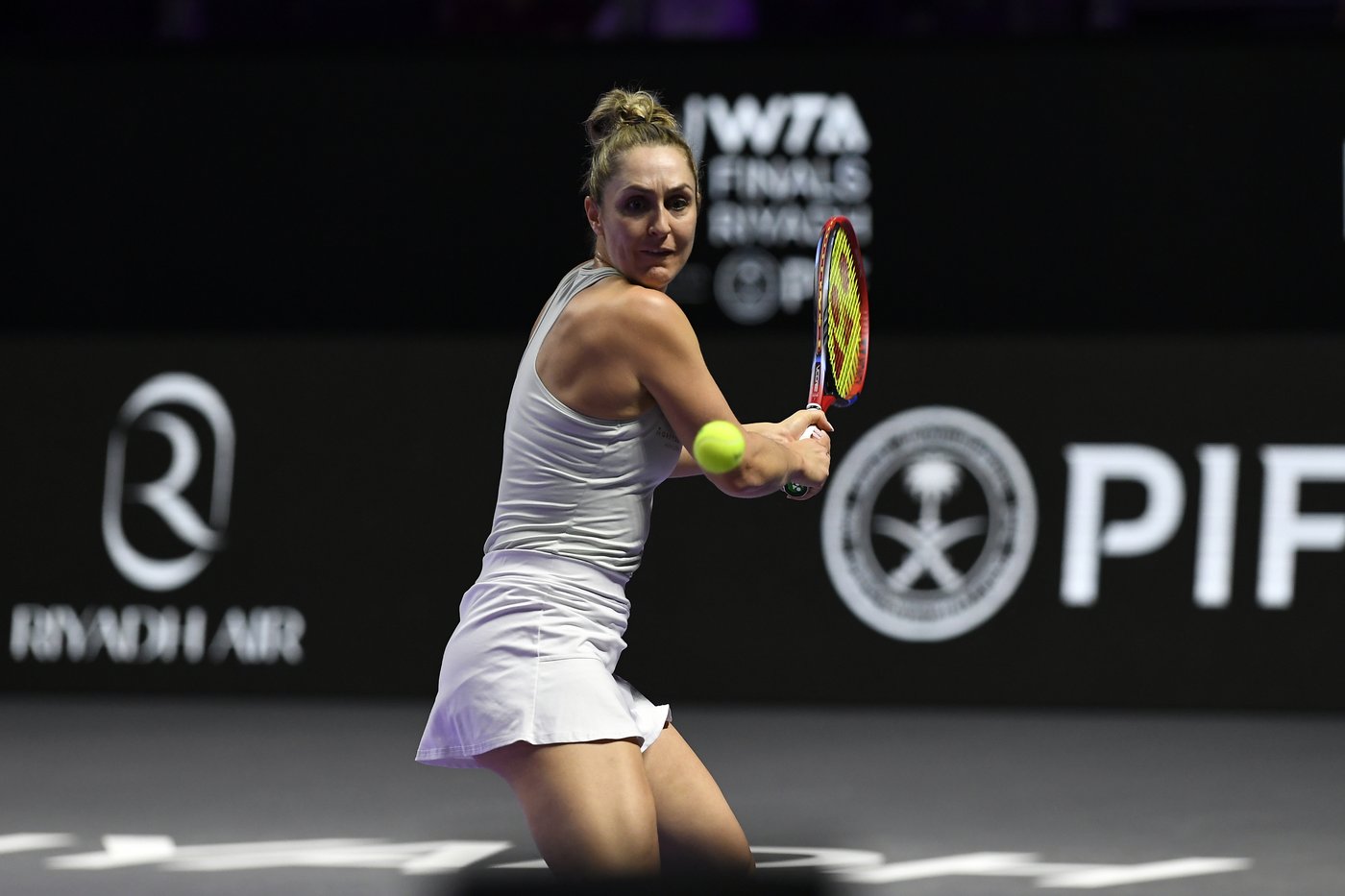
Earlier, Ottawa’s Gabriela Dabrowski and Brazil’s Luisa Stefani advanced to the women’s doubles quarterfinals with a 7-5, 6-4 win over Norway’s Ulrikke Eikeri and Quinn Gleason of the United States.
Dabrowski and Stefani won 80 per cent of first-serve points and converted four of eight break points.
Their final break put them up 5-4 in the second set before they held serve to clinch the win.
It was the second win for Dabrowski and Stefani over Eikeri and Gleason in as many months. Dabrowski and Stefani also beat them May 23 in the final of the Strasbourg International.
Dabrowski and Stefani, seeded fourth, will next face the 11th-seeded pair of Laura Siegemund of Germany and Vera Zvonareva of Russia.
This report by The Canadian Press was first published June 1, 2026.
News from © The Canadian Press, . All rights reserved.
This material may not be published, broadcast, rewritten or redistributed.

This site is protected by reCAPTCHA and the Google Privacy Policy and Terms of Service apply.
Want to share your thoughts, add context, or connect with others in your community?
You must be logged in to post a comment.