Elevate your local knowledge
Sign up for the iNFOnews newsletter today!
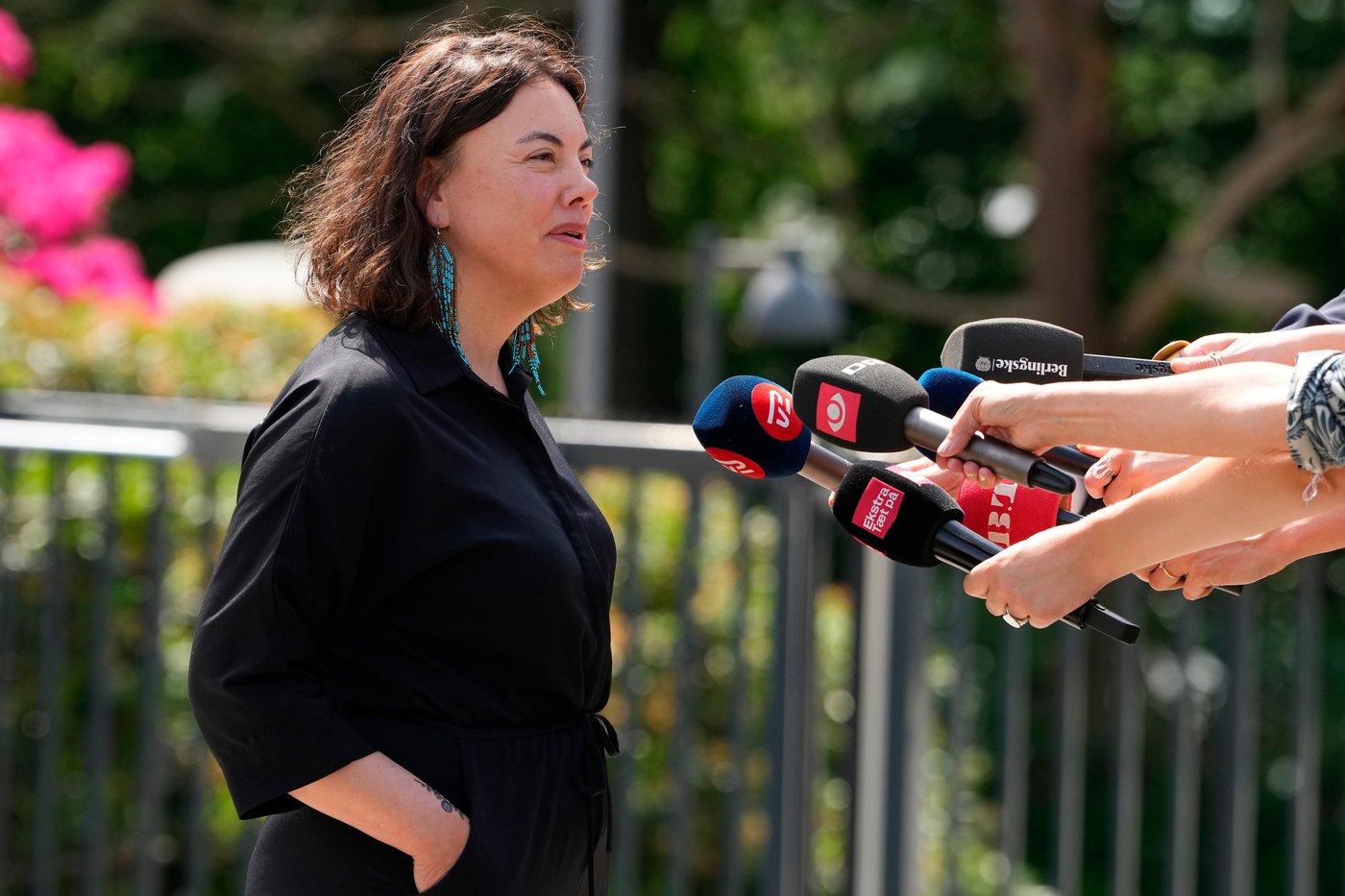
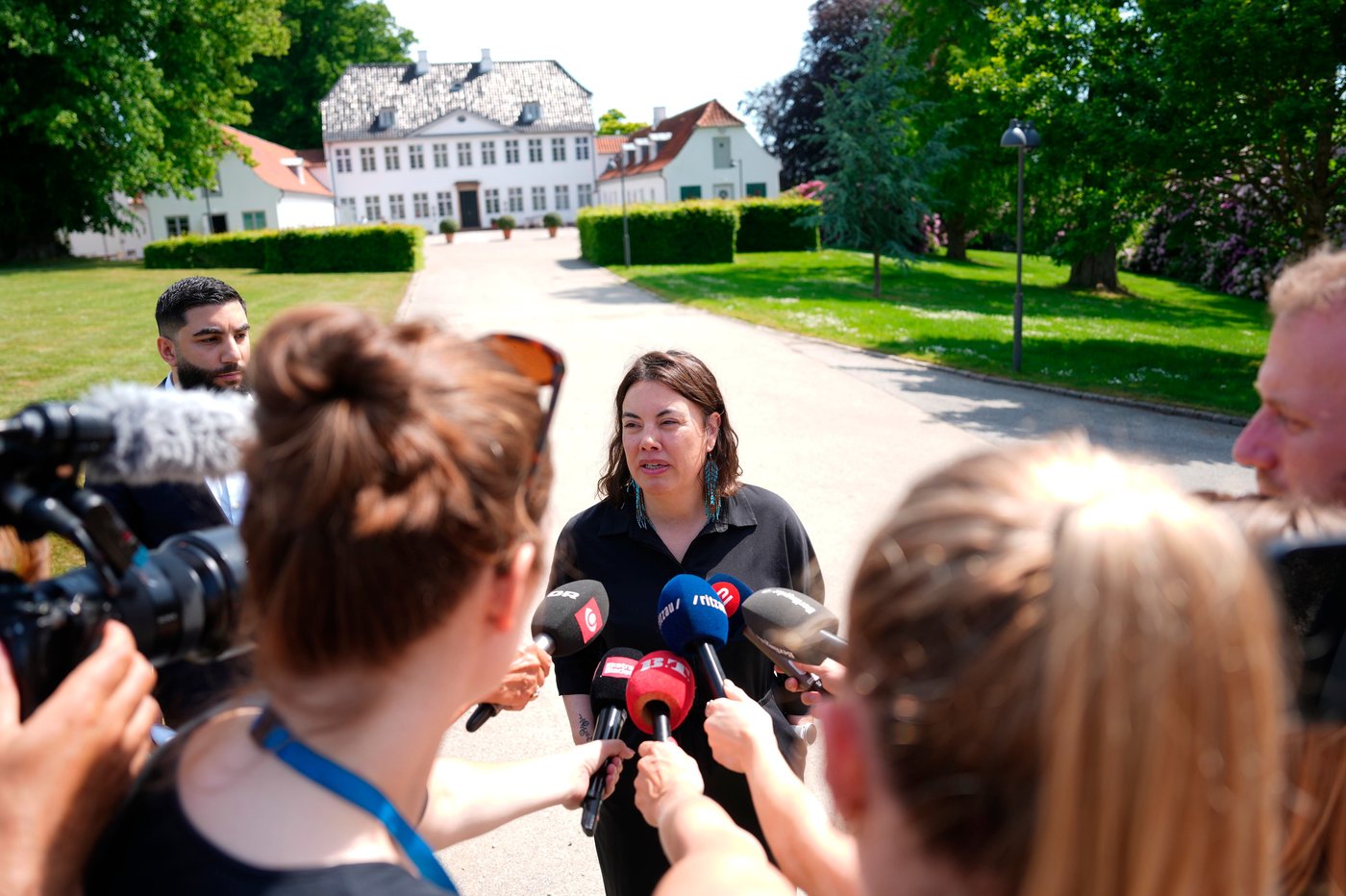
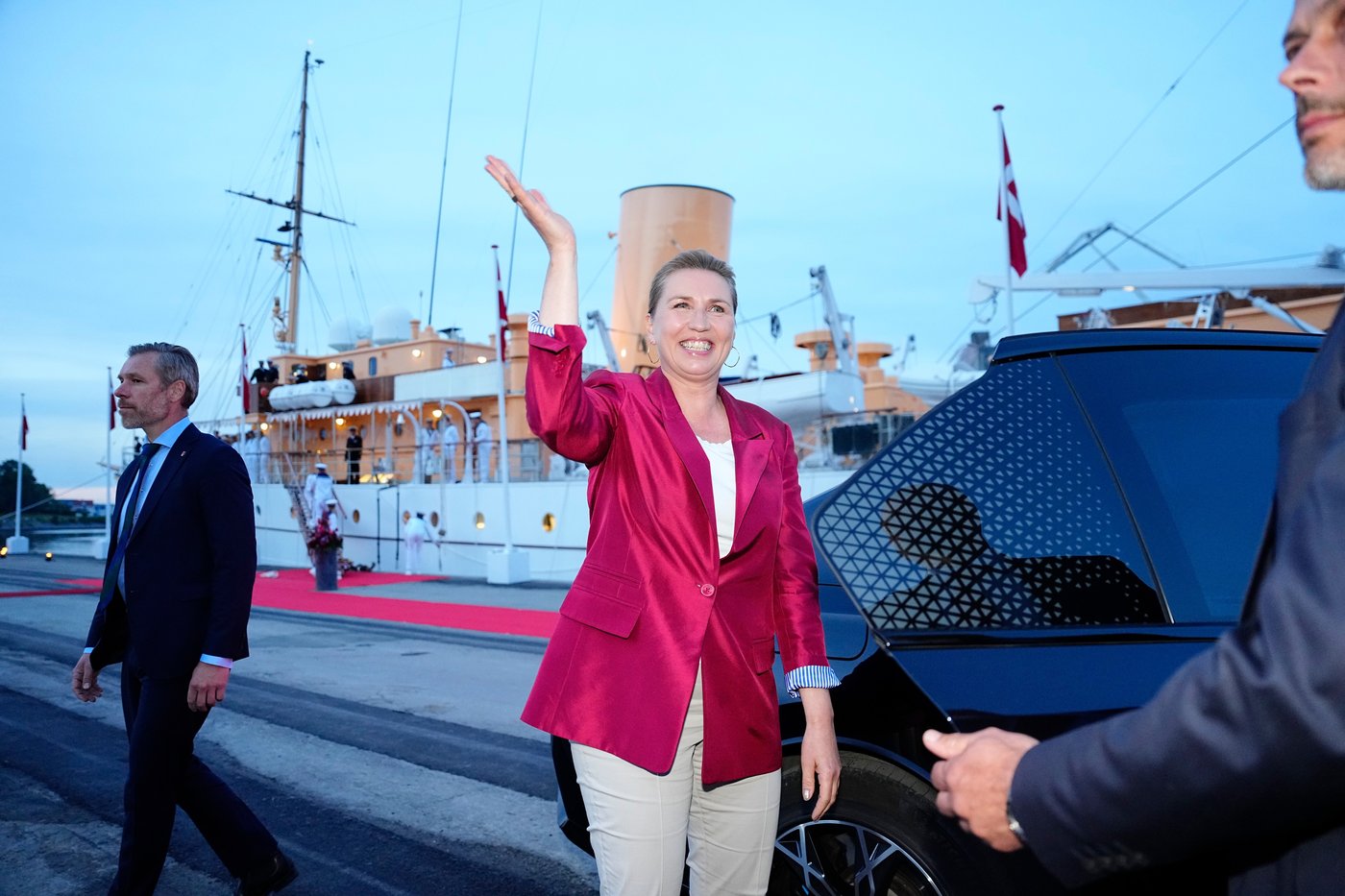
COPENHAGEN, Denmark (AP) — Social Democrat Mette Frederiksen is set to begin a third term as Denmark’s prime minister, during which she is expected to maintain a firm stance against U.S. President Donald Trump’s ambitions for Greenland, the kingdom’s semiautonomous territory, and continue supporting Ukraine.
With a third term, 48-year-old Frederiksen joins the ranks of Europe’s longest-serving and most experienced leaders. She has led the European Union and NATO member country since mid-2019.
She is likely to press ahead with efforts to strengthen Denmark’s defenses and deepen cooperation with European allies as the United States signals a reduced military role in Europe. Frederiksen has been among Europe’s strongest supporters of Ukraine since Russia’s full-scale invasion.
The prime minister’s popularity among European Union peers as well as her “really standing there against Trump” on Greenland are major factors behind Frederiksen’s electoral success, Carolin Hjort Rapp, a political scientist from the University of Copenhagen, told The Associated Press.
In early January, Trump renewed calls for the strategic, mineral-rich Arctic island to come under U.S. control, but leaders of Denmark and Greenland insisted on the territory’s right to self-determination.
Popular in Europe but less so at home
At home, Frederiksen faces a complicated political landscape, but her new center-left alliance may allow her to move away from unpopular conservative policies pushed by her previous government, which was a grand coalition of both left and right.
The new government, created after two months of negotiations, will include Frederiksen’s Social Democrats, the centrist Moderates led by outgoing Foreign Minister Lars Løkke Rasmussen, the Green Left (SF) and the Danish Social Liberal Party, the Danish Royal House said in a statement on Monday.
Frederiksen and Rasmussen survived the elections, Hjort Rapp said, because of their prominent role in the Greenland crisis.
“They kind of survived, but at same time the voters were not satisfied with what the government had been doing before, so they wanted to move to other parties,” the political scientist said. “You see smaller parties that gained way more votes than before,” she added, referring to parties on both the left and the far-right.
The governing program is not due to be unveiled until Tuesday afternoon, but the left-wing Unity List, which has agreed to support the coalition from outside government, has already highlighted some of the concessions it secured in exchange for its backing. These include free dental care within the next decade, lower VAT on some food items and free public transport for young people.
A center-left politician with conservative stances
Under pressure from a rising far-right, Frederiksen’s previous cabinet had veered to the right. Frederiksen announced proposals that include a potential “emergency brake” on asylum and tighter controls on criminals who lack legal residence. Her government already had unveiled a plan to allow the deportation of foreigners who have been sentenced to at least one year in prison for serious crimes.
Her government also removed a popular national holiday, the Great Prayer Day, to finance higher defense spending. Danish media reported on Tuesday that the holiday might be restored by the new government in the future.
In her second term, support for Frederiksen waned as the cost of living rose. But she enjoyed a bump in popularity as the government navigated the crisis over Trump’s designs on Greenland, which culminated in January in a short-lived threat to impose tariffs on European nations that opposed his call for U.S. control of the vast Arctic island.
“She is a good crisis prime minister,” Joachin Luther Rothenborg, an artist from Copenhagen, said of Frederiksen, adding that she was less good when it comes to “the level where everybody, the normal people, have their problems.”
“I think that’s what we are here in Denmark: we have the welfare, as we call it,” Bigitte Christensen, a fashion designer from Copenhagen, said. She said the fact that Denmark now had a center-left government gave her hope.
“Of course, it’s a lot of our tax money going for that, but I appreciate it very much, because the broader shoulders should help or be there for those who aren’t so lucky” she said.
___
Ciobanu reported from Warsaw, Poland.
News from © The Associated Press, . All rights reserved.
This material may not be published, broadcast, rewritten or redistributed.

This site is protected by reCAPTCHA and the Google Privacy Policy and Terms of Service apply.
Want to share your thoughts, add context, or connect with others in your community?
You must be logged in to post a comment.