Elevate your local knowledge
Sign up for the iNFOnews newsletter today!
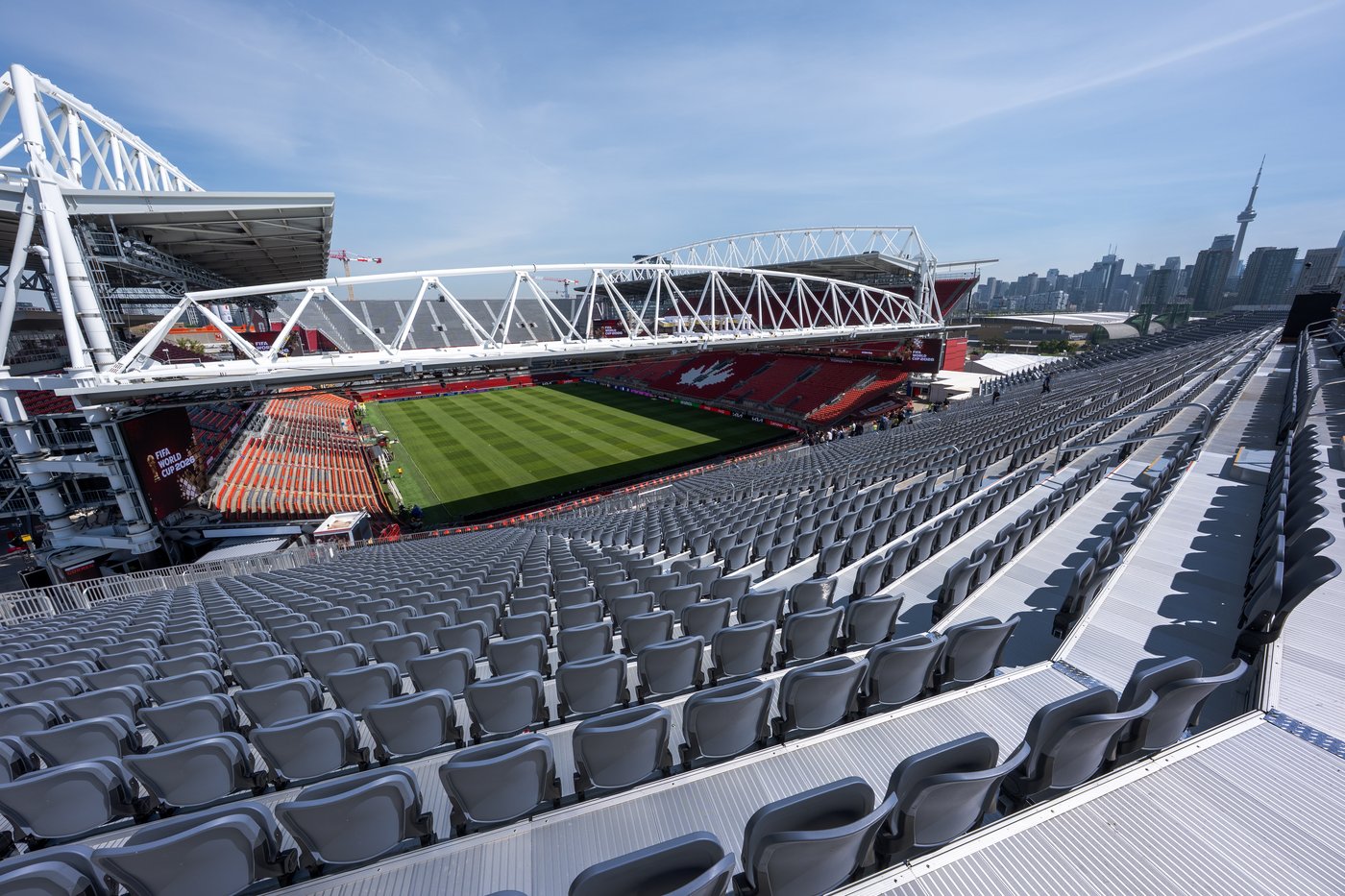
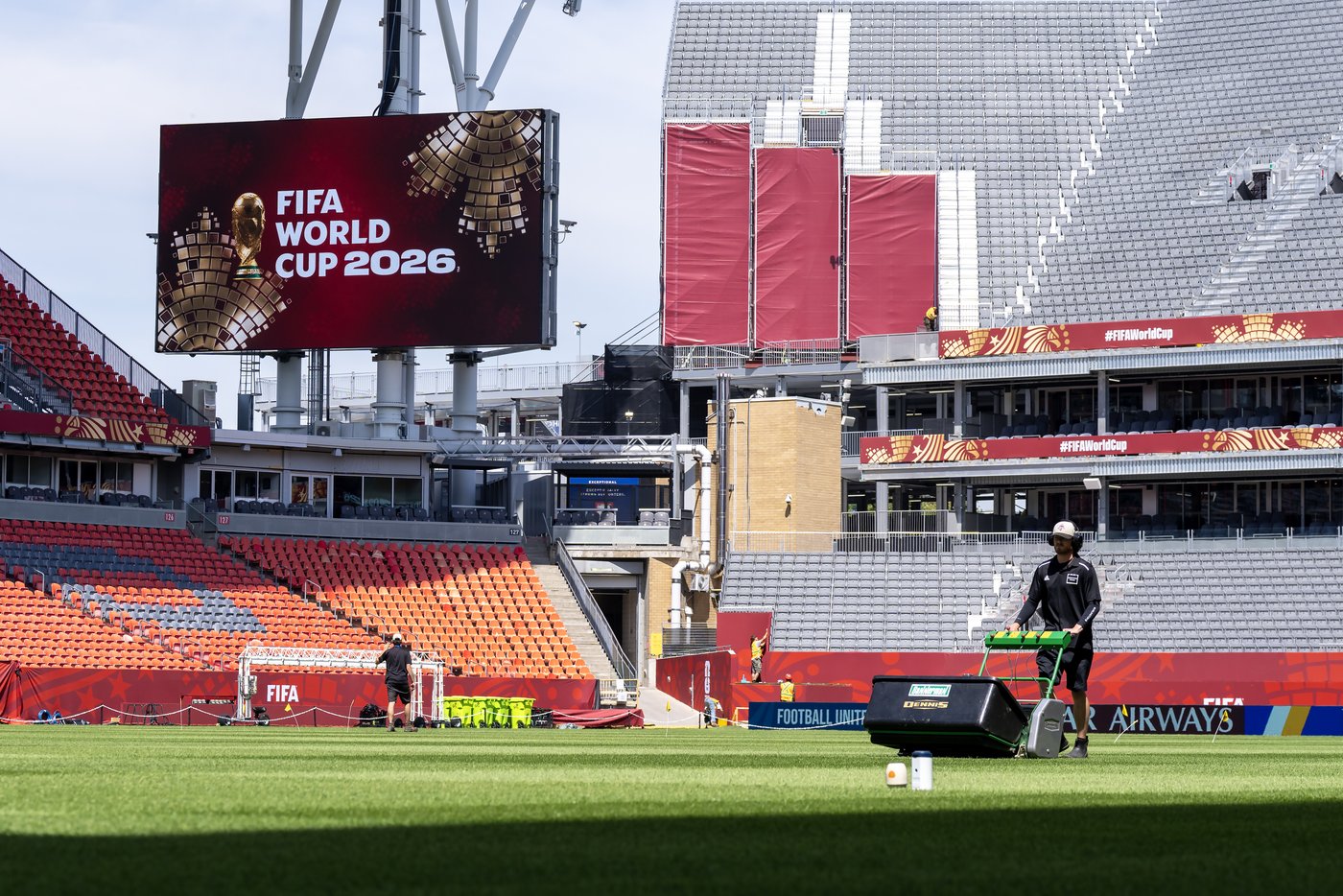
It’s the MVP that herds of fans gathered at the newly branded Toronto Stadium probably won’t notice when they take in six FIFA World Cup matches: a 12-metre-tall COW.
Standing just outside the venue, it’s one of four temporary cell towers — known as Cells on Wheels — deployed by telecom giant Bell across key FIFA sites in Toronto and Vancouver for the duration of the tournament, including at fan festivals.
Along with dozens of newly installed antennas at the stadium usually known as BMO Field, the infrastructure is part of a $25-million effort by Bell to expand network capacity in both cities for the surge in demand that the soccer games are expected to bring.
Multiple telecom companies have been bracing for a massive uptick in wireless traffic throughout the tournament.
The antennas at Toronto Stadium were installed by Rogers as part of its own $22-million project to improve the 5G Plus network at the facility and nearby area, that company said. Rogers said the upgrades included 119 antennas throughout the stadium.
Bell said its investment contributed to the antenna systems “in collaboration with other carriers,” which allowed additional network infrastructure and performance optimization.
Bell’s senior technical product manager Aya Aboughanem said the carrier’s network is now ready to handle wireless traffic, so fans should be able to use their cellphones without disruption.
“They just want to make sure that they’re connected, so we just make sure that we have the right support so no one complains about it,” said Aboughanem during a Thursday morning stroll through Toronto Stadium, roughly 30 hours before football action was set to kick off.
“If no one says anything about the network, we’ll be happy.”
Thanks to temporary seating installed for the games, Toronto Stadium is expected to host crowds of more than 45,000 people per match, adding significantly more strain to mobile networks than they would typically endure during a Toronto FC or Argonauts match.
Bell said its upgrades will ensure overall cellular capacity is nearly tripled at the Toronto venue for the tournament, while enabling peak theoretical speeds of up to 4.3 gigabits per second.
Fans should enjoy a seamless experience as their phone connection jumps from COW-powered coverage around the periphery of the stadium to the overhead antennas shouldering the load within concourses and the stands, said Gus Monteiro, a radio-frequency engineering specialist for Bell.
“The beauty about having (COWs) is it actually offloads a lot of the capacity that’s going to happen in that building area because it’s going to be packed,” he said.
A live network test conducted by Monteiro on Thursday from within the venue’s south end stands showed download speeds were around 2.5 times faster compared with before the upgrades, while upload speeds peaked at four times the usual standard.
Monteiro said fans seated around the majority of the stadium should expect that quality of coverage, although he noted crews faced restrictions when installing antennas at the north end. Esthetics-related concerns meant the infrastructure could only be put in the corners rather than above the middle sections, he said, leaving some room for improvement.
Rogers, for its part, said the placement was related to security concerns.
“What’s important is that we have coverage for lower bowl seating, the upper bowl seating — it has all dedicated antennas for it,” added Aboughanem.
Customers of Bell and Telus — which have a network sharing agreement — will benefit from those boosted speeds.
Meanwhile, along with its antennas, Rogers has installed its own portable mobile towers and related infrastructure at the Toronto and Vancouver sites to keep its customers dialed in, too.
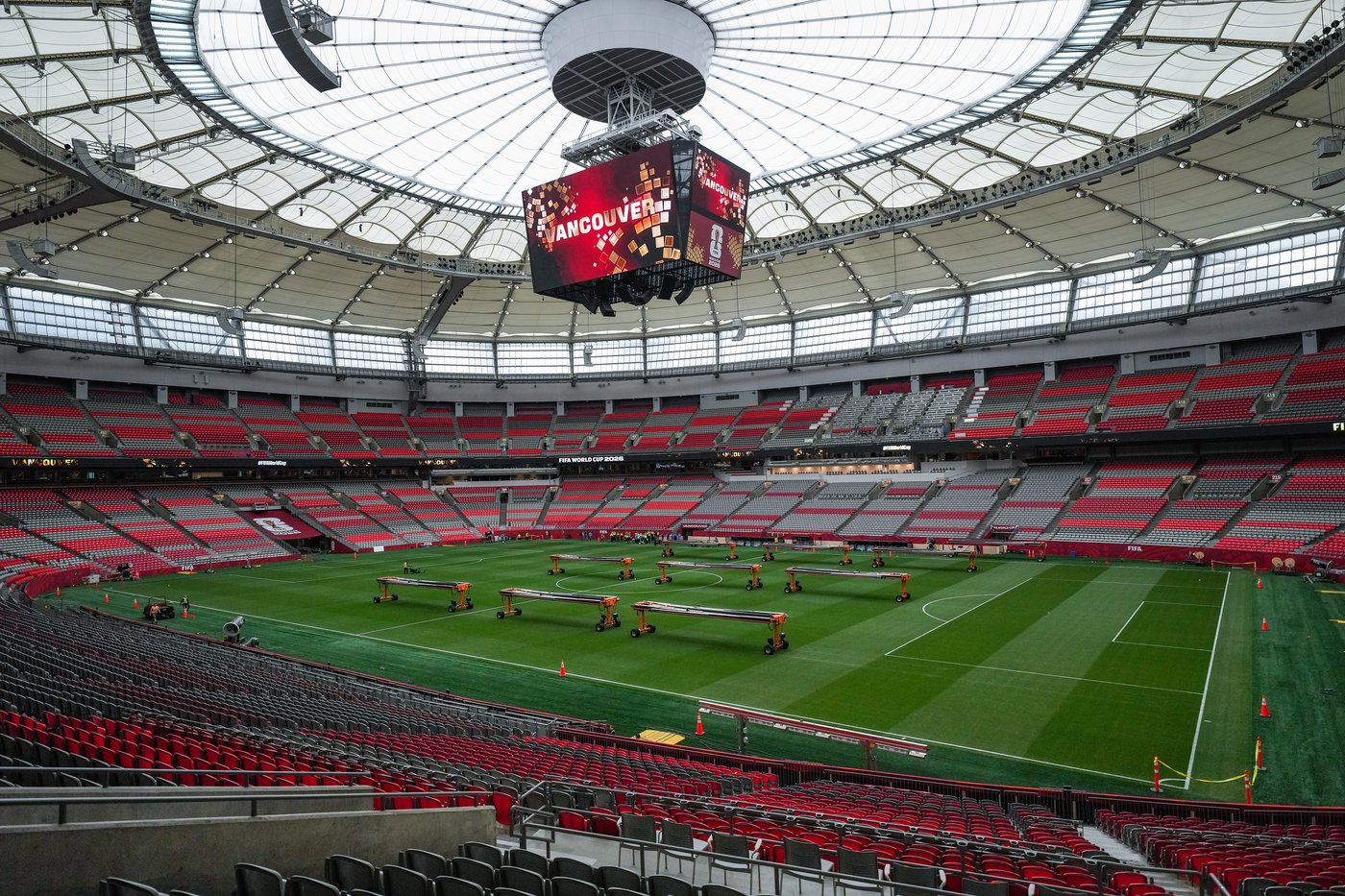
Rogers footed an additional $5-million bill to improve cellular capacity at Vancouver’s venue and surrounding areas.
In total, Canada is set to host 13 matches during the World Cup, including seven at Vancouver’s B.C. Place.
Nowadays, connectivity disruptions are not just an inconvenience to fans gathered in the tens of thousands at major sporting events or concerts, said Peter Linder, head of thought leadership Americas at Ericsson.
“The typical challenge is, ‘How do we get mobile broadband to work when you have a lot of people in the same location?'” he said in a recent interview.
Linder said a fast, stable connection is key to the fan experience because everyone wants to be able to share live photos and videos on social media.
But that can put stress on the network, especially during “exciting moments” like a big goal.
“That’s when everybody’s standing up with a camera and filming and ideally, live sharing.”
Bell said its network teams will be on the pitch 24/7 to monitor and optimize network performance in real time, while looking out for potential issues.
Artificial intelligence tools will also deliver live reports during matches, allowing staff to react and make changes on the fly if needed.
“It can be five-minute granularity and then we can react and say, ‘You know what, that section there is a bit congested, let’s change something,'” said Monteiro.
— With files from Daniel Johnson
This report by The Canadian Press was first published June 12, 2026.
Companies in this story: (TSX:BCE)
News from © The Canadian Press, . All rights reserved.
This material may not be published, broadcast, rewritten or redistributed.

This site is protected by reCAPTCHA and the Google Privacy Policy and Terms of Service apply.
Want to share your thoughts, add context, or connect with others in your community?
You must be logged in to post a comment.