Elevate your local knowledge
Sign up for the iNFOnews newsletter today!
TORONTO – The Canadian dollar was slightly lower Wednesday amid relief that a clear-cut winner has emerged from Tuesday’s U.S. presidential election. Barrack Obama won by a large margin in electoral college votes although the popular vote count was much closer.
The currency dipped 0.14 of a cent to 100.69 cents US after rising 0.5 of a cent on Tuesday as weak European data increased risk aversion to resource-based currencies such as the loonie.
The European Union on Wednesday downgraded its economic forecasts, saying it now expects the gross domestic product of the 27-country region to contract by 0.3 per cent on an annual basis this year, rather than remaining flat as it predicted in the spring.
It also said that the 17 countries that use the euro currency will see their GDP fall 0.4 per cent, against a previous expectation of a 0.3 per cent contraction.
And Germany’s panel of independent economic advisers said that country’s economy, which is Europe’s biggest, will grow by only 0.8 per cent next year. The government last month lowered its own 2013 growth forecast to one per cent from 1.6 per cent.
Meanwhile, traders now wonder how Democrats and Republicans will come together to avoid automatic tax hikes and steep spending cuts set to click in at the end of the year. Investors worry the shock from this so-called fiscal cliff scenario would send the U.S. back into recession.
The Republicans kept control of the House of Representatives while the Democrats continue to have a majority in the Senate.

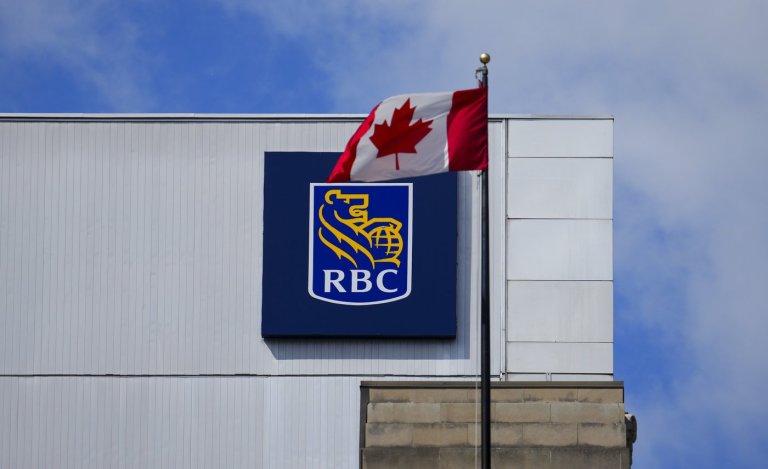
“The dead heat on the popular vote (based on current declarations) is hardly a sweeping mandate and is likely to leave the Republicans in no mood for compromise on tax and spending policy,” said Adam Cole, Head of G10 FX Strategy at RBC Europe Limited.
“With the election outcome behind us, however, attention returns to Europe in the near-term.”
Greece was also back in focus ahead of a crucial vote in its parliament later in the day that could determine whether the country stays in the eurozone.
If legislators don’t back a €13.5-billion package of spending cuts and tax increases, the country faces the prospect of losing access to its bailout lifeline and potentially defaulting on its mountain of debt and leaving the monetary union.
Commodity prices turned lower following sharp gains on Tuesday as the December crude contract on the New York Mercantile Exchange lost $1.19 to US$87.52 a barrel.
December copper shed four cents to US$3.46 a pound while December gold bullion was off $6.30 to US$1,721.30 an ounce.
News from © The Canadian Press, . All rights reserved.
This material may not be published, broadcast, rewritten or redistributed.

This site is protected by reCAPTCHA and the Google Privacy Policy and Terms of Service apply.
Want to share your thoughts, add context, or connect with others in your community?
You must be logged in to post a comment.