Elevate your local knowledge
Sign up for the iNFOnews newsletter today!
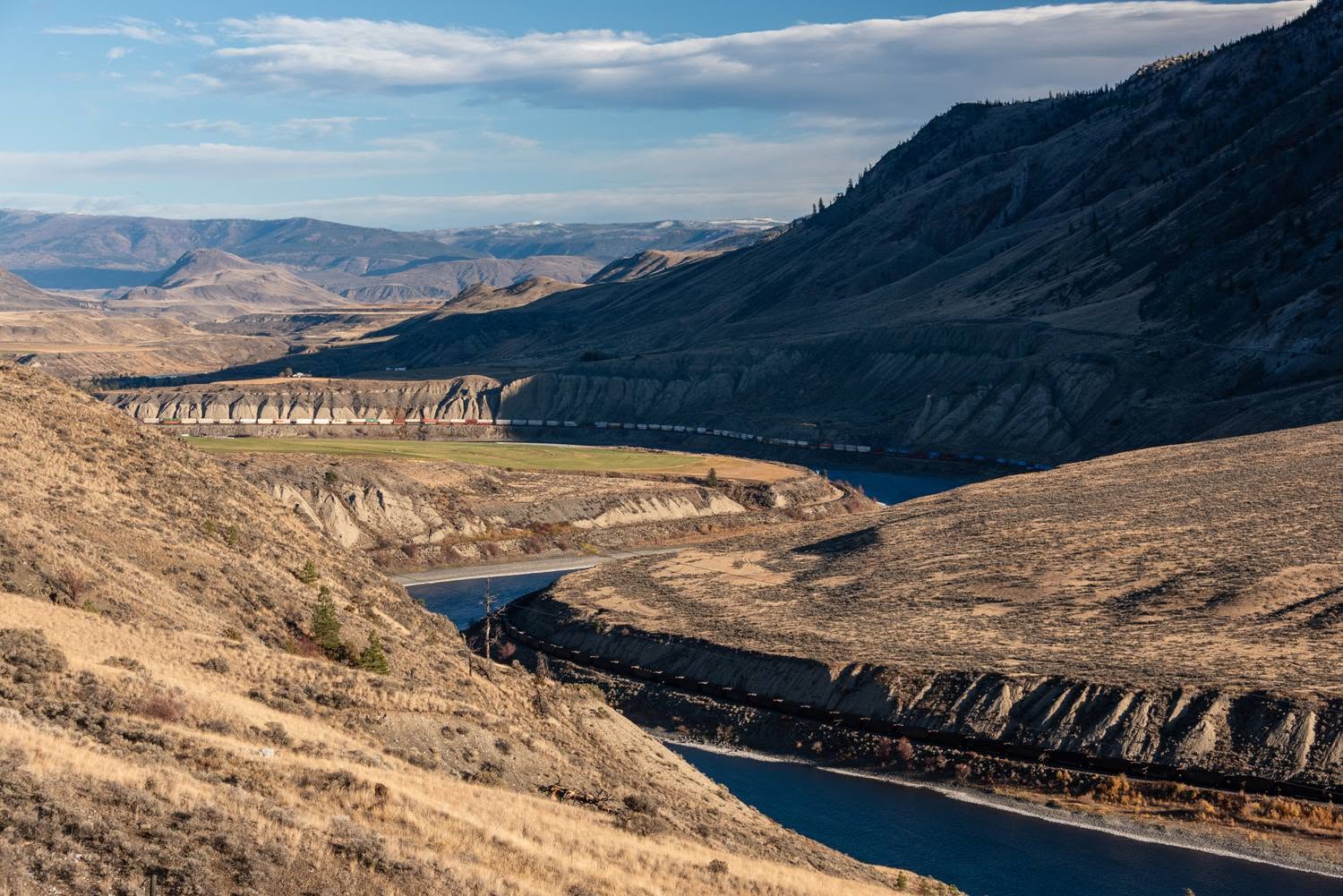
The Thompson River and the valley it winds through is known for its spectacular natural beauty, recreational value and cultural history that attracts adventurers all year round, and travellers might want to add it to their summer bucket list.
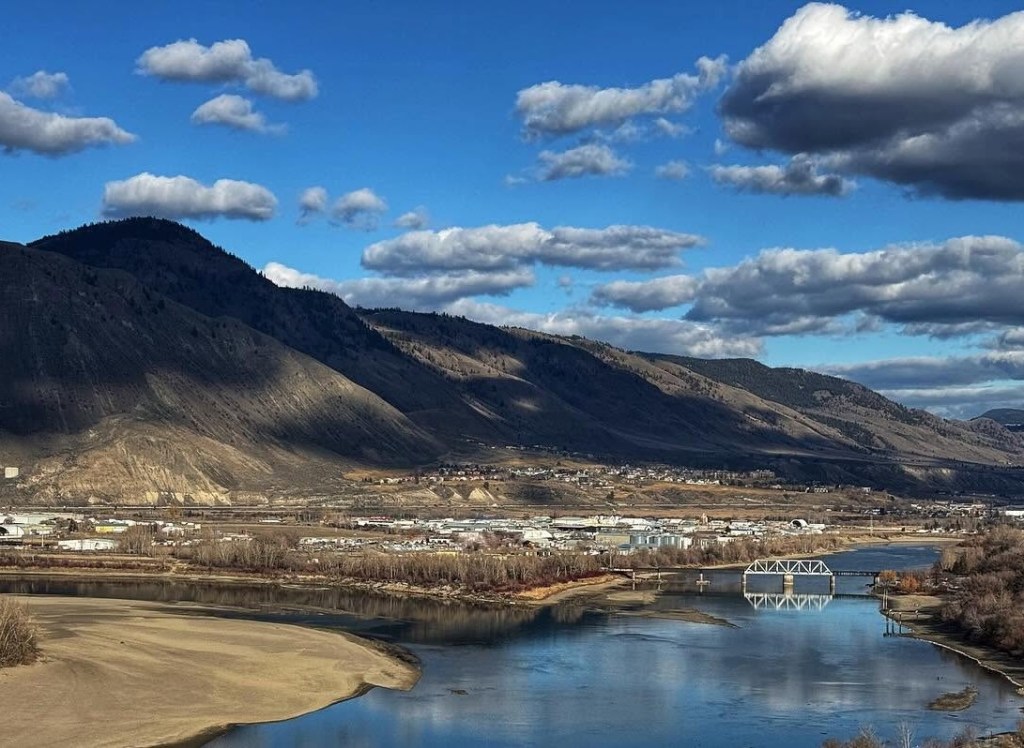
The 489-kilometre river begins in the heart of Kamloops where the North Thompson and South Thompson rivers merge, which often creates interesting contrasts of water colours throughout the seasons.
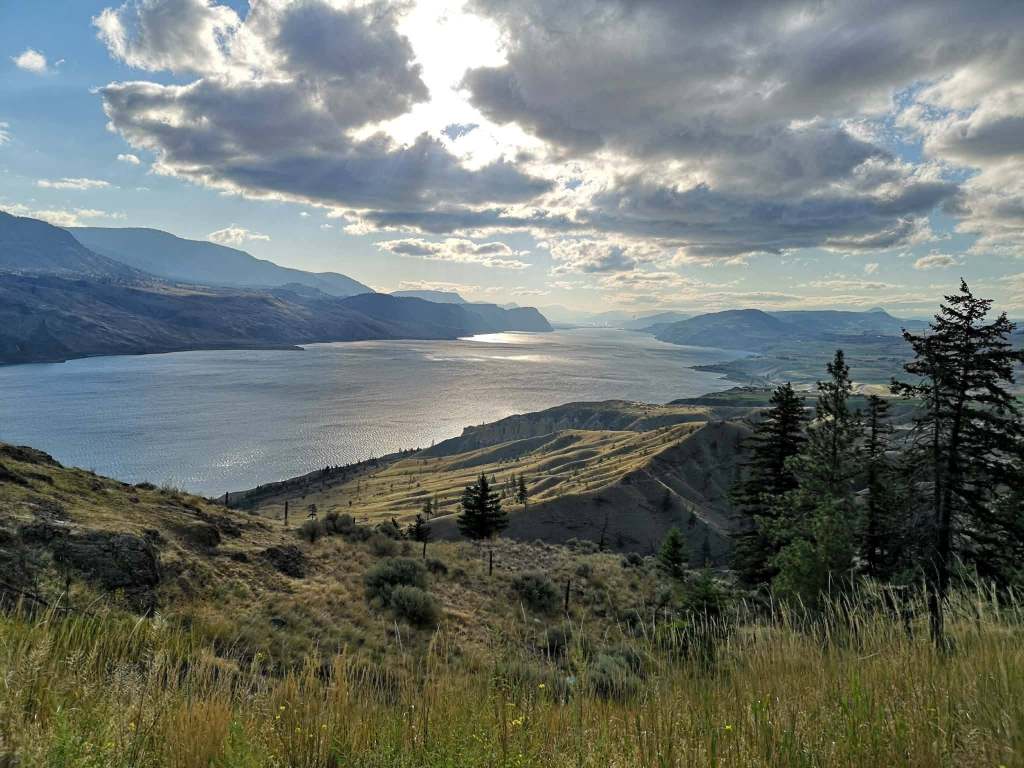
The river then flows for 15 km into Kamloops Lake which extends for several kilometres to end at the town of Savona, according to Kids Encyclopedia. There the river continues west through a wide valley until it reaches the little town of Ashcroft, and the beginning of the Thompson Canyon.
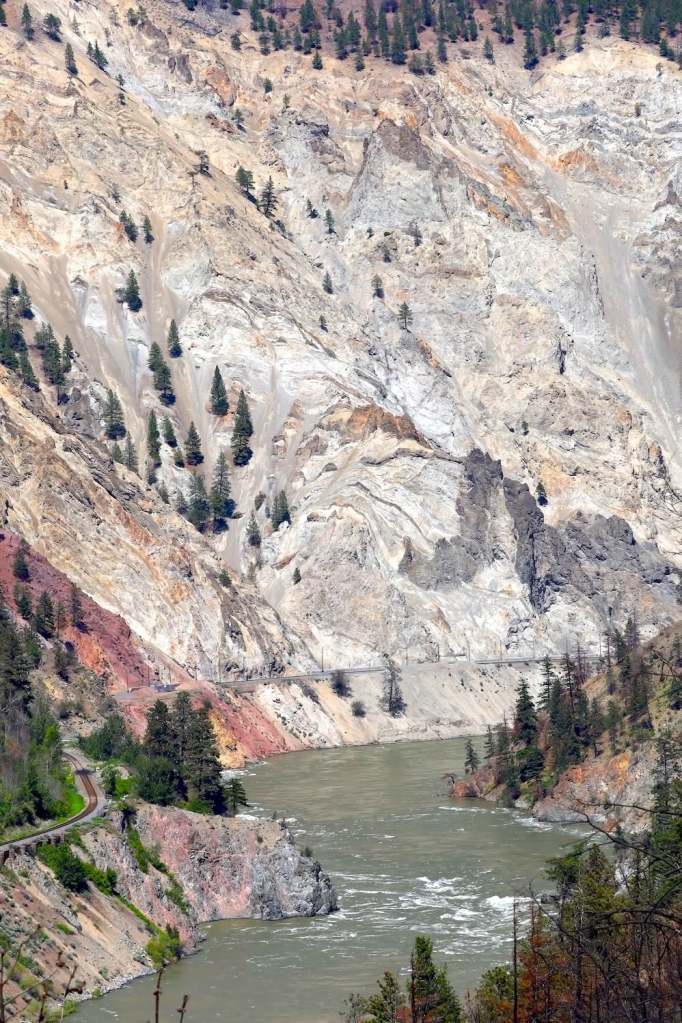
The canyon is defined by steep cliffs, narrow chutes and unusual rock formations and ends in Lytton where the river merges into the mighty Fraser River as its largest tributary.
The Trans-Canada Highway and both the Canadian Pacific Railway and Canadian National Railway run along most of the route allowing travellers to enjoy views of rugged cliffs and access historical sites and parks.
The Thompson River valley has been around for at least 50 million years, and the land around it was shaped by glaciation and ancient glacial lakes during the last ice age called the Pleistocene epoch that left the Thompson River region around 11,000 BC.
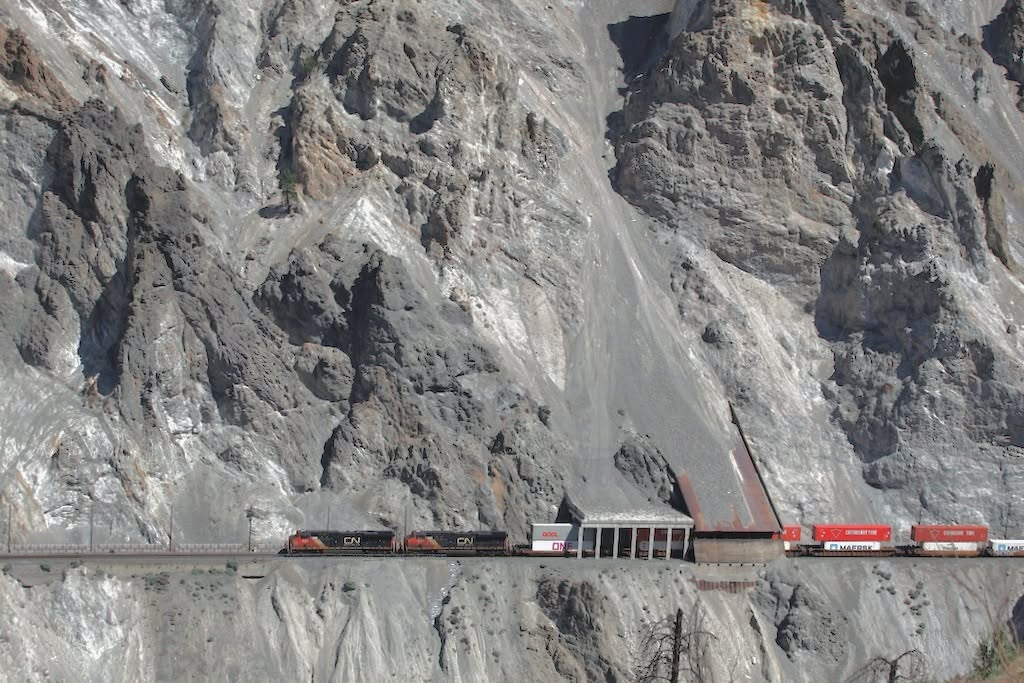
Archaeological evidence indicates humans were there for more than 8,300 years. Nlaka’pamux and Secwepemc were the first people to move in and there are artifacts from sites where they lived including at the Drynoch slide site near Spences Bridge and the Landels site near Ashcroft.
The river was named by explorer for the North West Company, Simon Fraser in 1808 after his friend David Thompson who mapped much of western Canada.
The first recorded trip down the Thompson from Kamloops to Lytton was by Hudson’s Bay Company governor George Simpson in 1828. During that time Europeans were arriving in search of gold and furs, or to start farms.
A North West Company trading fort at the meeting point of the North and South rivers grew into the city of Kamloops.
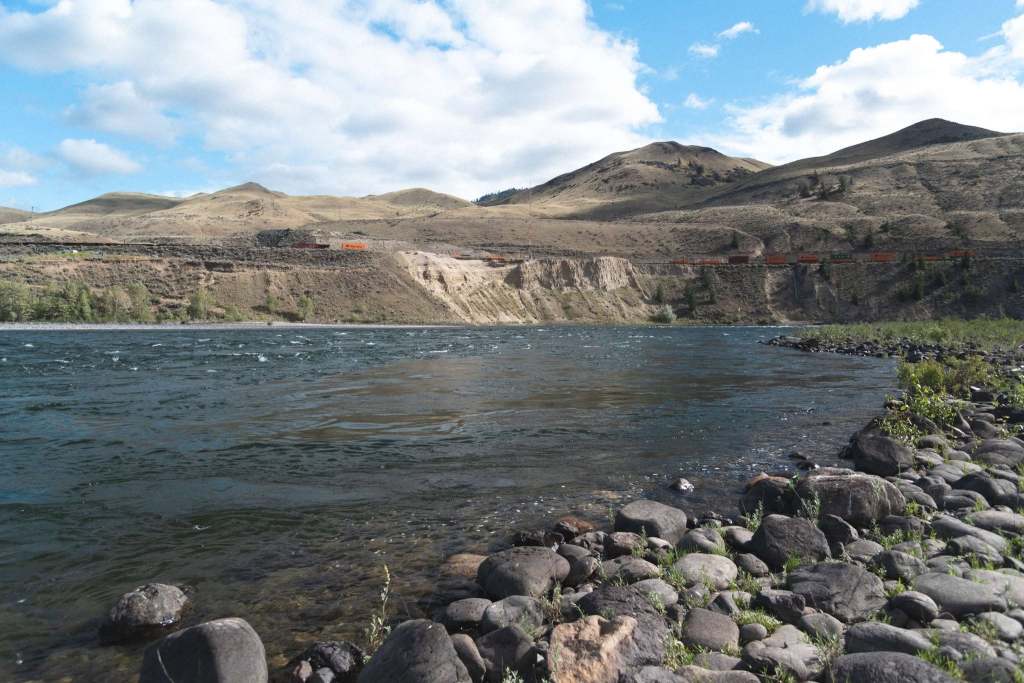
Whitewater rafting companies first opened in the 1970s. The Frog is a famous rapid on the lower part of the river named after a frog-shaped rock.
Fishing is a popular activity along the river which has several species of trout and salmon, and is home to one of the largest sockeye salmon runs in the world.
Features along the route include the ancient McAbee Fossil beds near Kamloops, whitewater rafting companies, campsites and provincial parks.
News from © iNFOnews.ca, . All rights reserved.
This material may not be published, broadcast, rewritten or redistributed.

This site is protected by reCAPTCHA and the Google Privacy Policy and Terms of Service apply.
Want to share your thoughts, add context, or connect with others in your community?
You must be logged in to post a comment.