Elevate your local knowledge
Sign up for the iNFOnews newsletter today!
Elevate your local knowledge
Sign up for the iNFOnews newsletter today!
Select Region
Selecting your primary region ensures you get the stories that matter to you first.
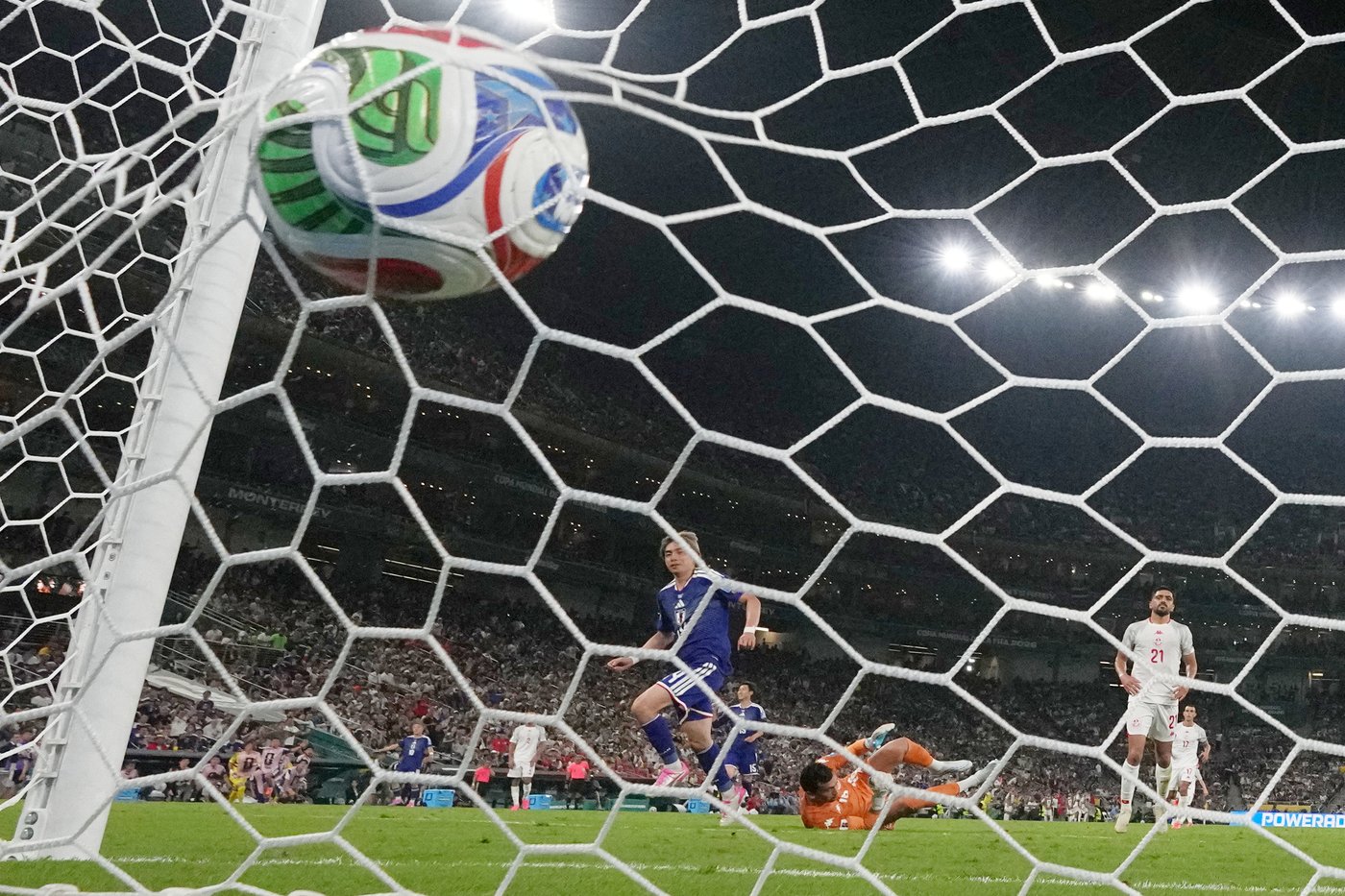
This World Cup has prompted some questions we simply can’t answer for you.
Can anyone stop Messi? Does Merlin the duck like wearing that jersey? What happens if the Congo’s statue fan has to sneeze?
That said, if you’re a first-time soccer watcher still confused by all this footie, we’re here to help! Free kicks, hydration breaks, stoppage time … there’s a lot to know. We put out a call for your burning World Cup questions — and we’ll keep answering them if you have more. We’re compiling answers to your FAQs below.
OK, let’s start with the real basics: What does ‘offsides’ mean?
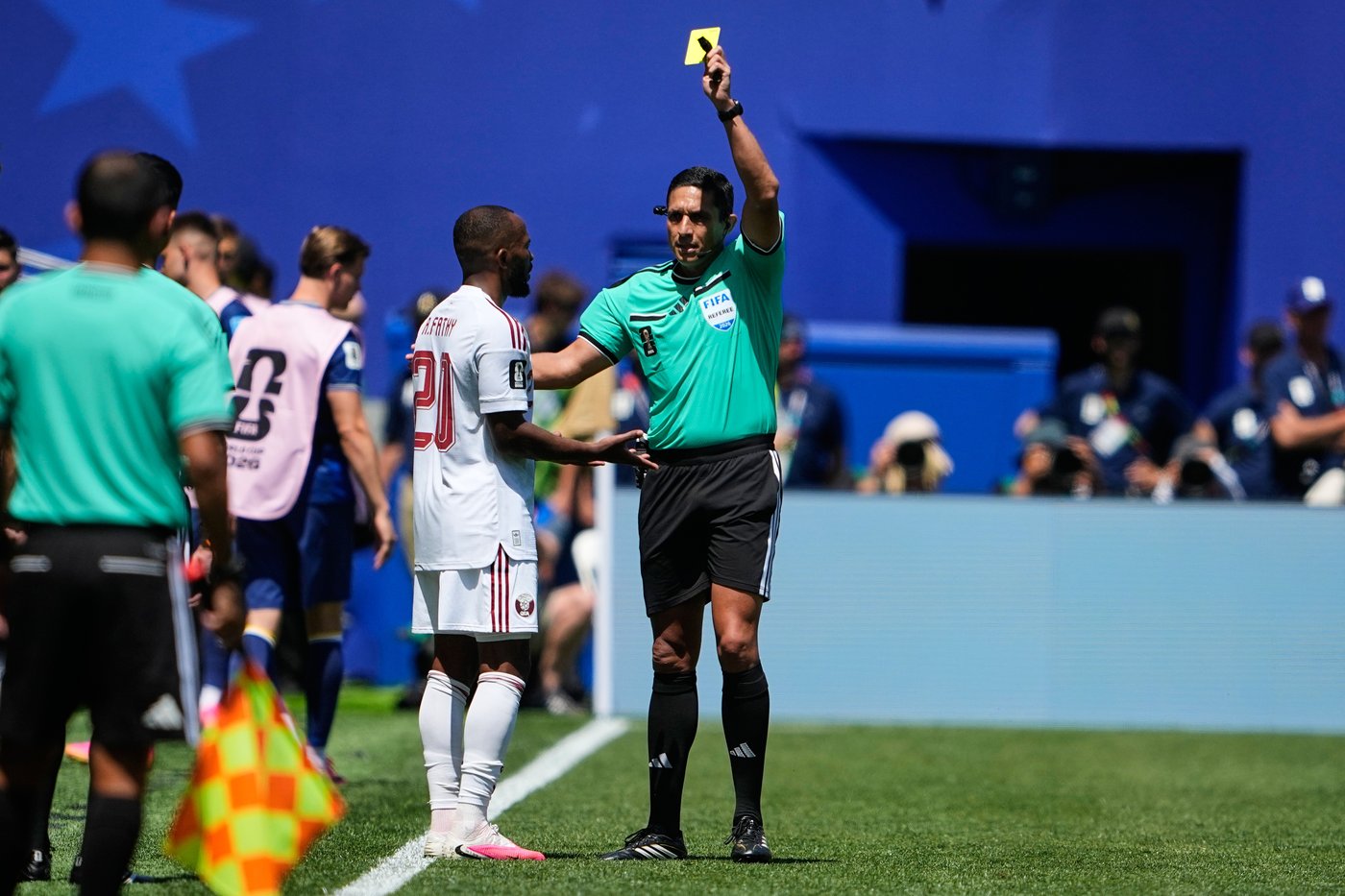
Well, first off, it’s “offside,” per the AP Stylebook. Secondly, this is a common question — and one that can make you appear a soccer aficionado if you know the answer. Essentially, a player is offside if he or she is closer to the opponent’s goal line than the ball and second-to-last opposition player (the goalkeeper is usually the last) the moment the ball is passed by a teammate. There are various caveats — for example, you cannot be offside inside your own half — but that is the gist. It can be confusing and a source of great debate.
Why doesn’t the clock stop for penalties and injuries?
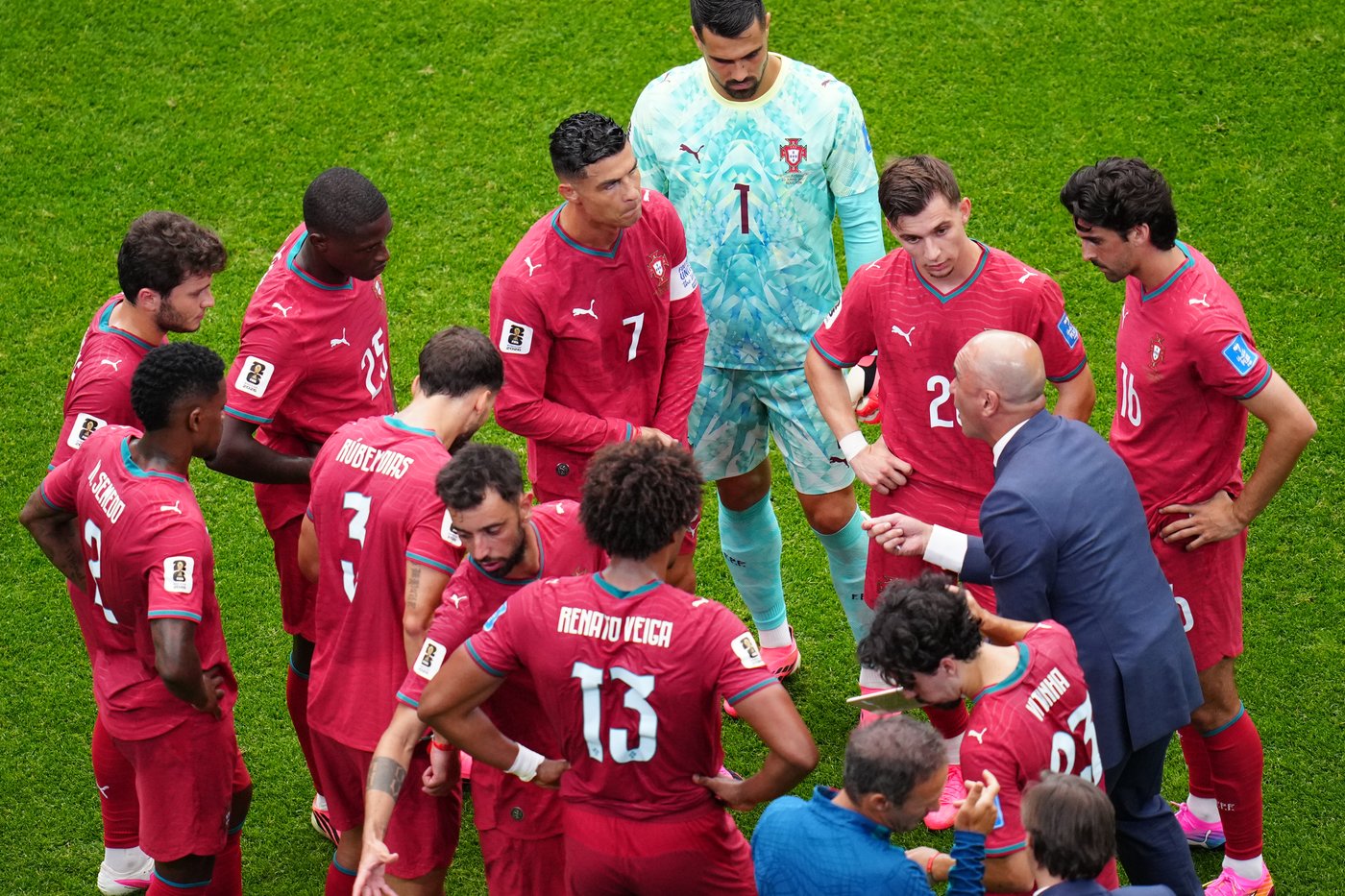
Unlike American football, basketball or hockey, the clock never stops in soccer. If there are delays for such things as injuries, blatant time-wasting or the aftermath of goals, those seconds or minutes are added on at the end of each half in a period called “stoppage time.” There’s an extra twist in this World Cup: hydration breaks. These three-minute stoppages in the middle of each half have been introduced to help players deal with the summer heat in the United States, Canada and Mexico (they’re also a convenient spot for extra TV ads). Those three-minute blocks must also be added to the overall stoppage time, meaning there is typically at least five minutes of extra play in each half of this World Cup.
What’s the difference between a free kick and a penalty kick?
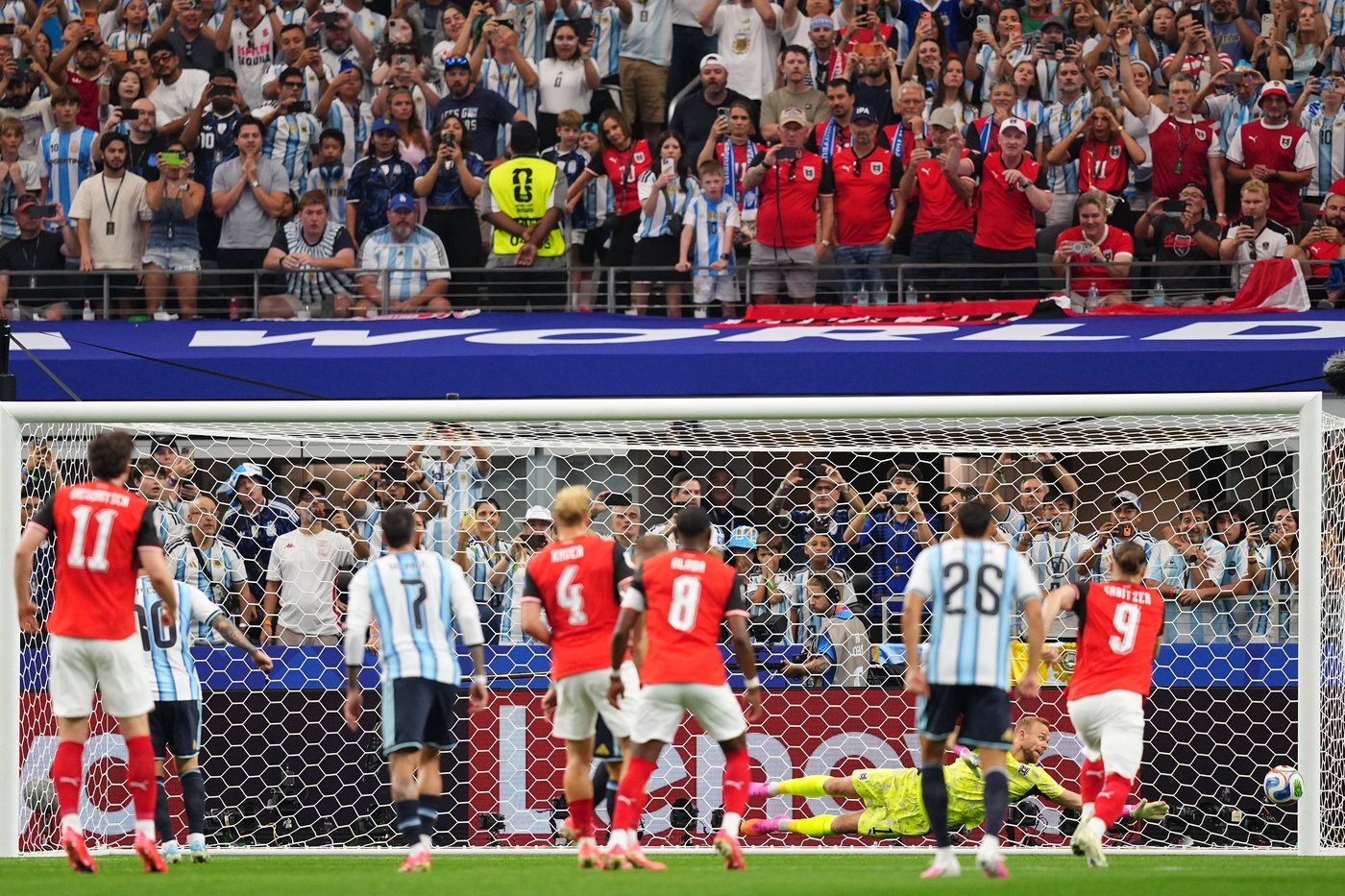
Well, both are dead-ball situations and given after fouls. The key difference is that a penalty kick is awarded after a foul inside the penalty area — the big rectangle drawn near the opposing goal — and a free kick is awarded outside the penalty area. A penalty is a free shot at goal — from the designated spot, which is central and 12 yards (11 meters) out — with just the goalkeeper able to stop the shot. A free kick can be defended against by a whole team and is taken from where the offense occurred.
What’s the tiebreaker if teams end up with the same number of points in the group stage?
Take note of this, as it’s likely to be the case in a number of groups. Starting from this World Cup, head-to-head results between two or more teams tied on points will be the first tiebreaker — and not overall goal difference, which had been the case previously. The second tiebreaker is goal difference in the games between the teams concerned, followed by the highest number of goals scored in those games. Only then — as a fourth tiebreaker — does overall goal difference come into play.
What’s the deal with the 5-second throw-in rule?
It’s another new measure being implemented at this World Cup with the intention of speeding up play and stopping time-wasting. If referees deem a player is taking too long on a throw-in, they can start a visual five-second countdown. If it reaches five seconds, the throw-in will be awarded to the opposing team. And it has already happened, with Bosnia-Herzegovina defender Sead Kolašinac giving up a throw-in for taking too long against Canada.
Off the pitch … are Heinz bottles really taped over at stadiums? Why are logos being covered?
Yes, eagle-eyed reporters and fans have noted that logos on bottles of condiments — such as ketchup from Heinz — have been taped over inside stadiums. This is a directive of FIFA, the soccer governing body always very careful to protect its official partners and sponsors and give them exclusive visibility at stadiums. For the same reason, stadiums named after a sponsor — such as Gillette Stadium near Boston — have been renamed for the tournament by FIFA, which is instead using generic names.
So how much annual PTO do Europeans get anyway?
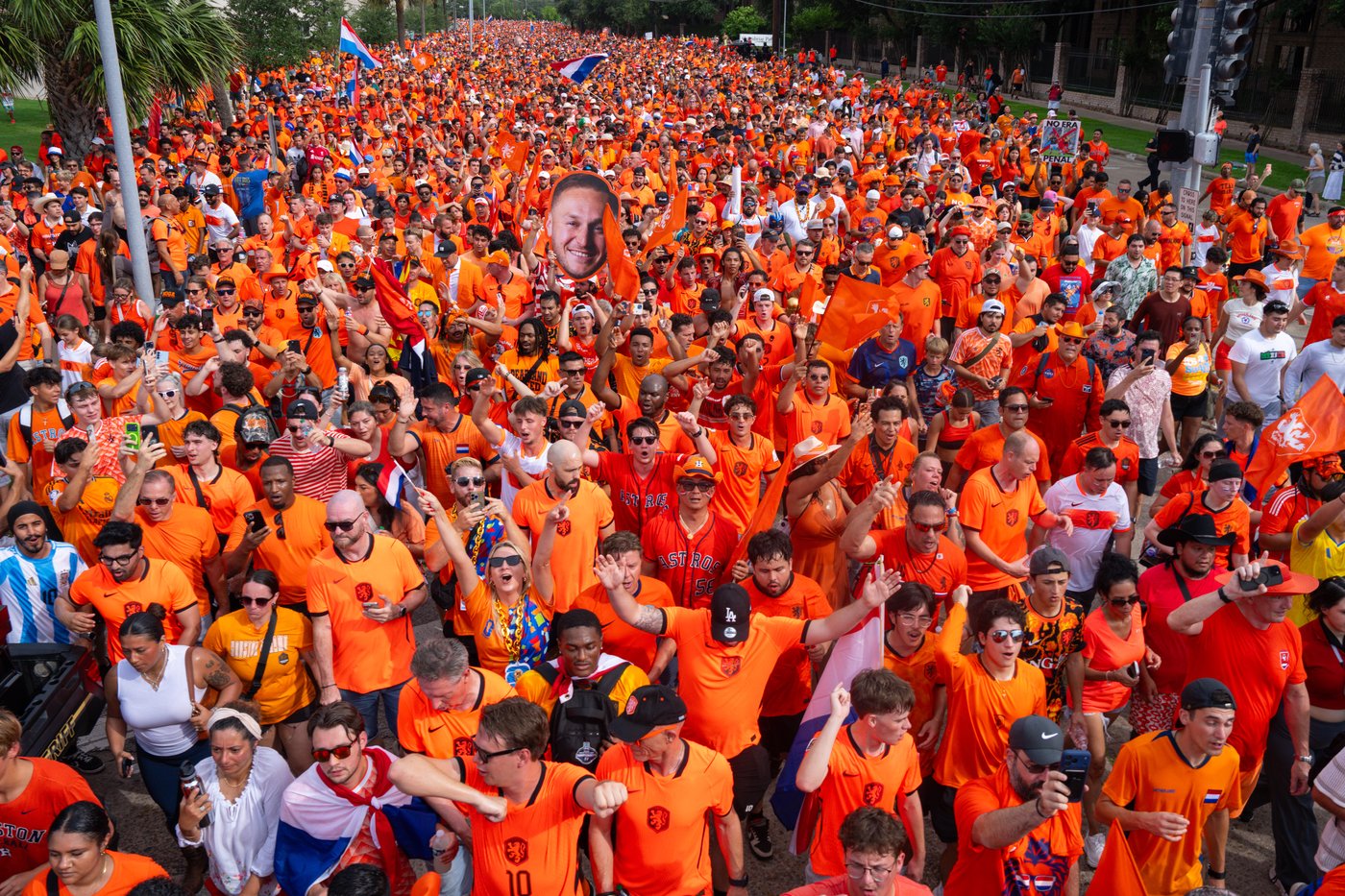
Wondering how fans of these top European soccer nations can be spending so many weeks in North America, are you? Well, the Europeans do love their soccer and this supersized tournament will have been in the diary for years. The amount of vacation days employees get vary from country to country. In the U.K, for example, most workers receive at least 28 days of paid annual leave per year. In France, they get a minimum of 30 working days. In Spain, it’s 22.
___
AP World Cup: https://apnews.com/fifa-world-cup
News from © The Associated Press, . All rights reserved.
This material may not be published, broadcast, rewritten or redistributed.

This site is protected by reCAPTCHA and the Google Privacy Policy and Terms of Service apply.
Want to share your thoughts, add context, or connect with others in your community?
You must be logged in to post a comment.