Elevate your local knowledge
Sign up for the iNFOnews newsletter today!

Canada is officially taking its talents to Europe’s biggest and sparkliest song competition.
CBC/Radio-Canada and the European Broadcasting Union announced today that the country will participate in the 2027 Eurovision Song Contest in Bulgaria.
This marks the first time Canada will compete in the annual music spectacle, known for its flamboyant costumes and maximalist performances, and makes it the first new country to join Eurovision since Australia in 2015.
Prime Minister Mark Carney touted the news in his Canada Day speech in Ottawa, saying the competition is “about to get even wilder” with the addition of Canada next year.
“And you will decide — it’s going to be a tough choice — you will decide which Canadian artist first steps onto the Eurovision stage beneath our flag,” Carney said.
The news comes less than a week after CBC/Radio-Canada became a full member of the European Broadcasting Union, clearing the way for its eligibility to compete.
CBC/Radio-Canada said it will provide details on how Canada’s entry will be selected later this year.
Marie-Philippe Bouchard, the public broadcaster’s president and CEO, called the move a chance to showcase Canadian artists on “one of the most storied music stages in the world.”
She added in a statement that Canadian fans who have long followed the contest will now have “the added thrill of seeing their own country represented on the Eurovision stage.”
Organizers said more than 130 million viewers across 35 markets watched this year’s Eurovision, and that the event also saw unprecedented social engagement, drawing more than a billion views on Instagram alone.
Canada will begin its campaign in one of the contest’s semifinal rounds, attempting to qualify for the grand final.
Carney has made closer ties with Europe a cornerstone of his foreign policy, and last fall’s federal budget floated the idea of Canada joining Eurovision.
Martin Green, the director of Eurovision, said Canada’s inclusion reflects the competition’s growing international reach.
“While born in Europe, the contest continues to welcome the world,” Green said, noting Canada’s long-standing connection to Eurovision through artists such as Céline Dion, who won the competition for Switzerland in 1988.
Dion’s performance of “Ne partez pas sans moi” helped launch her international career.
A decade earlier, the contest helped turn ABBA from a Swedish touring band into global superstars, while more recently Italy’s Maneskin achieved international success following their 2021 win.
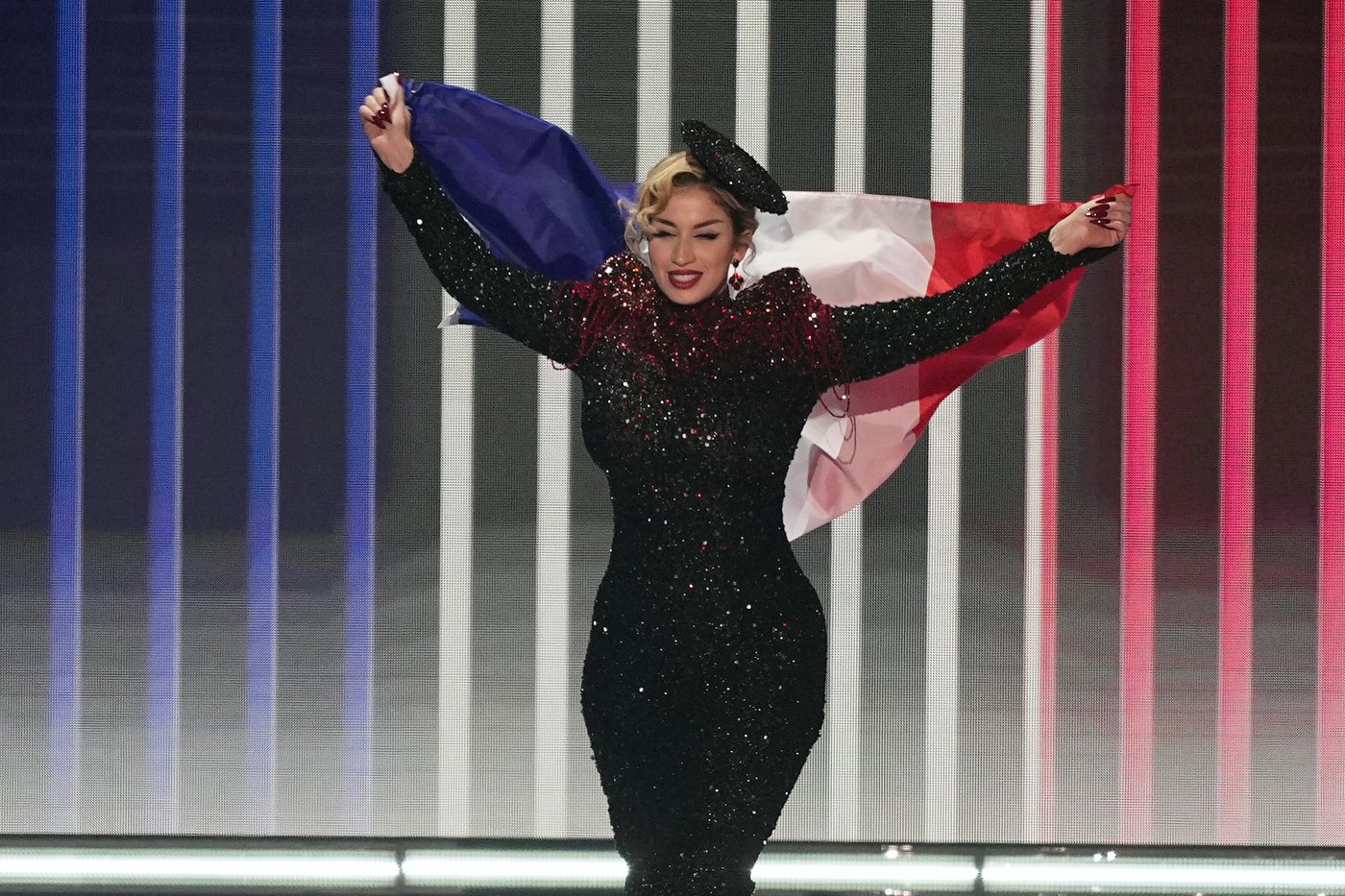
Other Canadian singers who have participated include Montreal’s La Zarra, who competed for France in 2023, and New Brunswick-raised Natasha St-Pier, who placed fourth in the 2001 competition, also representing France.
Green added that the European Broadcasting Union looks forward to Canada bringing “its own voice, creativity and energy” to next year’s competition.
Each country selects its entry either through a televised national competition or an internal selection process run by the participating broadcaster.
The competition has not been without controversy — Israel’s participation prompted five public service broadcasters to boycott the event this year.
In 2022, the European Broadcasting Union banned Russia from competing after the invasion of Ukraine.
Organizers said interest in Eurovision has been growing steadily in Canada, with Canadians ranking among the top three countries in this year’s “Rest of the World” vote and among the largest groups of non-European ticket buyers for the 2026 contest in Vienna.
This report by The Canadian Press was first published July 1, 2026.


News from © The Canadian Press, . All rights reserved.
This material may not be published, broadcast, rewritten or redistributed.

This site is protected by reCAPTCHA and the Google Privacy Policy and Terms of Service apply.
Want to share your thoughts, add context, or connect with others in your community?
You must be logged in to post a comment.