Elevate your local knowledge
Sign up for the iNFOnews newsletter today!
MONTREAL — CN Rail says it believes a train derailment in a suburban city northeast of Montreal earlier this month was caused by heat and poorly executed repairs.
In a statement sent out Thursday afternoon, spokesperson Michelle Hannan said the railway believes the derailment was caused by what the company called a “thermal misalignment of the rail.”
“A thermal misalignment occurs when extreme temperatures cause rail to shift out of alignment,” the statement read.
The company added that it believes its engineering standards related to rail distressing were not respected when the level crossing was fixed in the spring.
The company does not believe speed, train handling and mechanical issues caused the derailment.
“CN will limit its comments regarding the cause of the derailment to this statement,” Hannan said. “We sincerely apologize to the residents of Repentigny for the disruption and concern caused by this incident.”
The Transportation Safety Board of Canada released a preliminary safety advisory earlier on Thursday showing it found several deficiencies in the tracks.
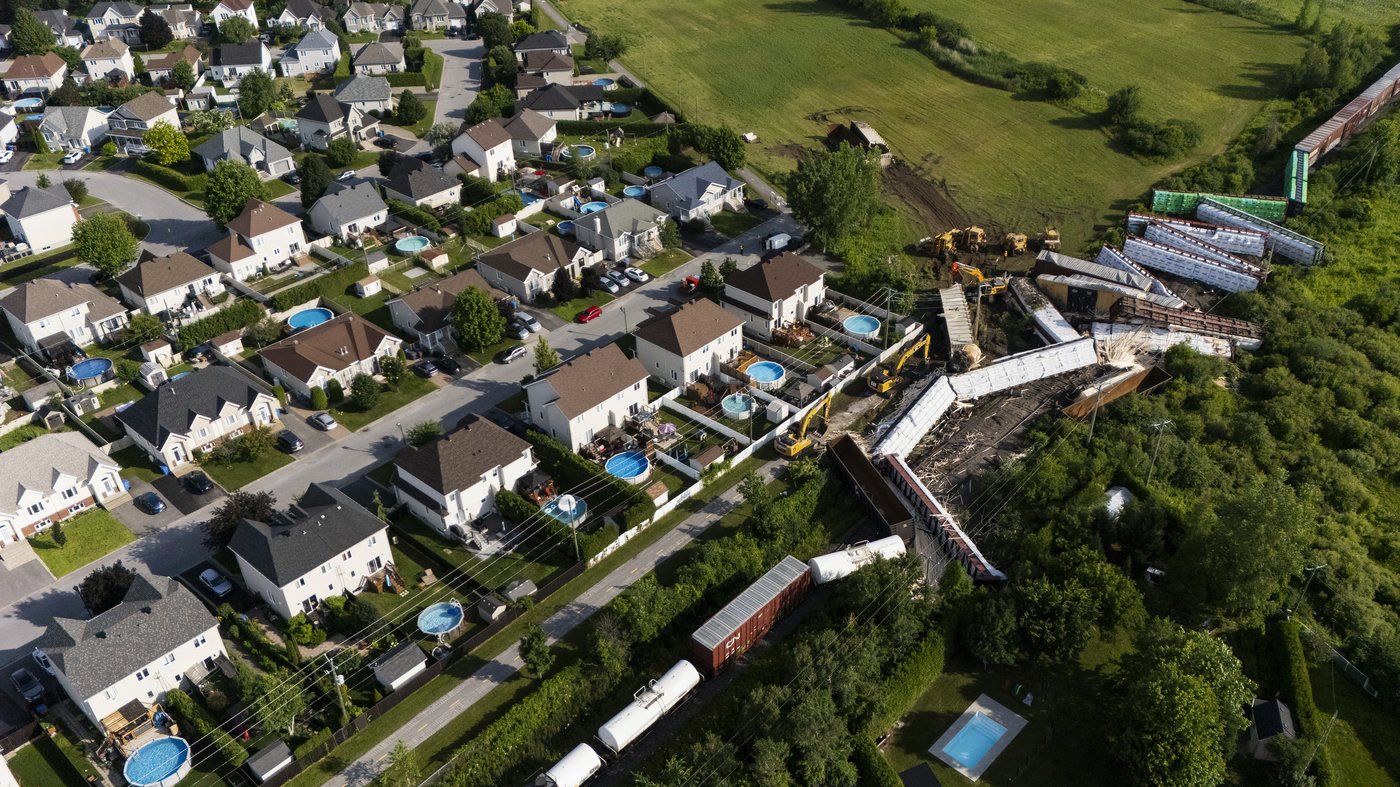
The federal agency deployed a team to investigate the railway tracks after 49 wagons derailed on the edge of a residential area in Repentigny, Que. on July 5.
No injuries were reported and no hazardous materials were spilled, according to the safety board.
A letter the safety board’s director of rail and pipeline investigations, Vincenzo De Angelis, sent to Transport Canada’s director of rail safety on July 10 says investigators examined the tracks at the site of the derailment and eight other sections over nearly 10 km.
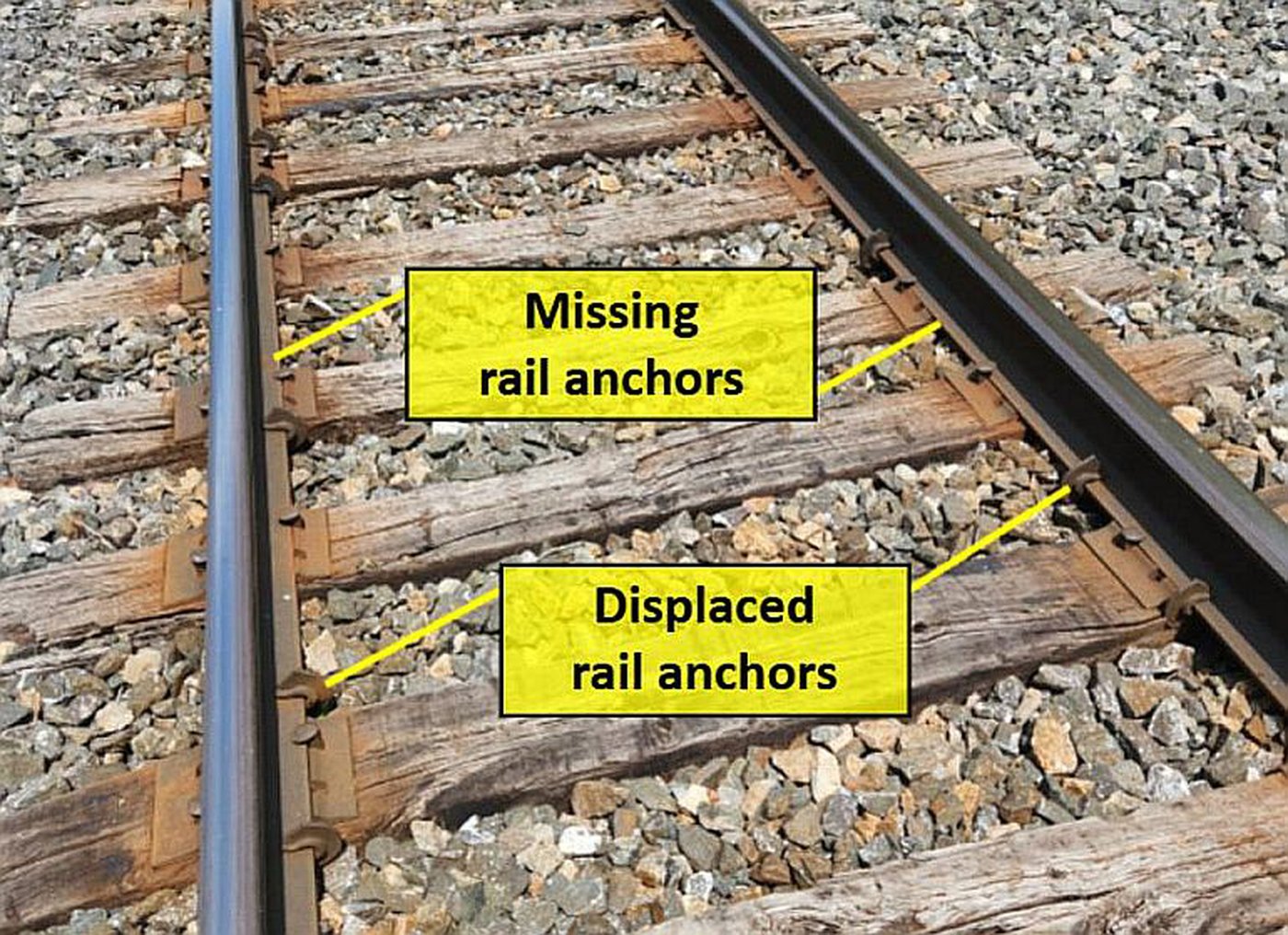
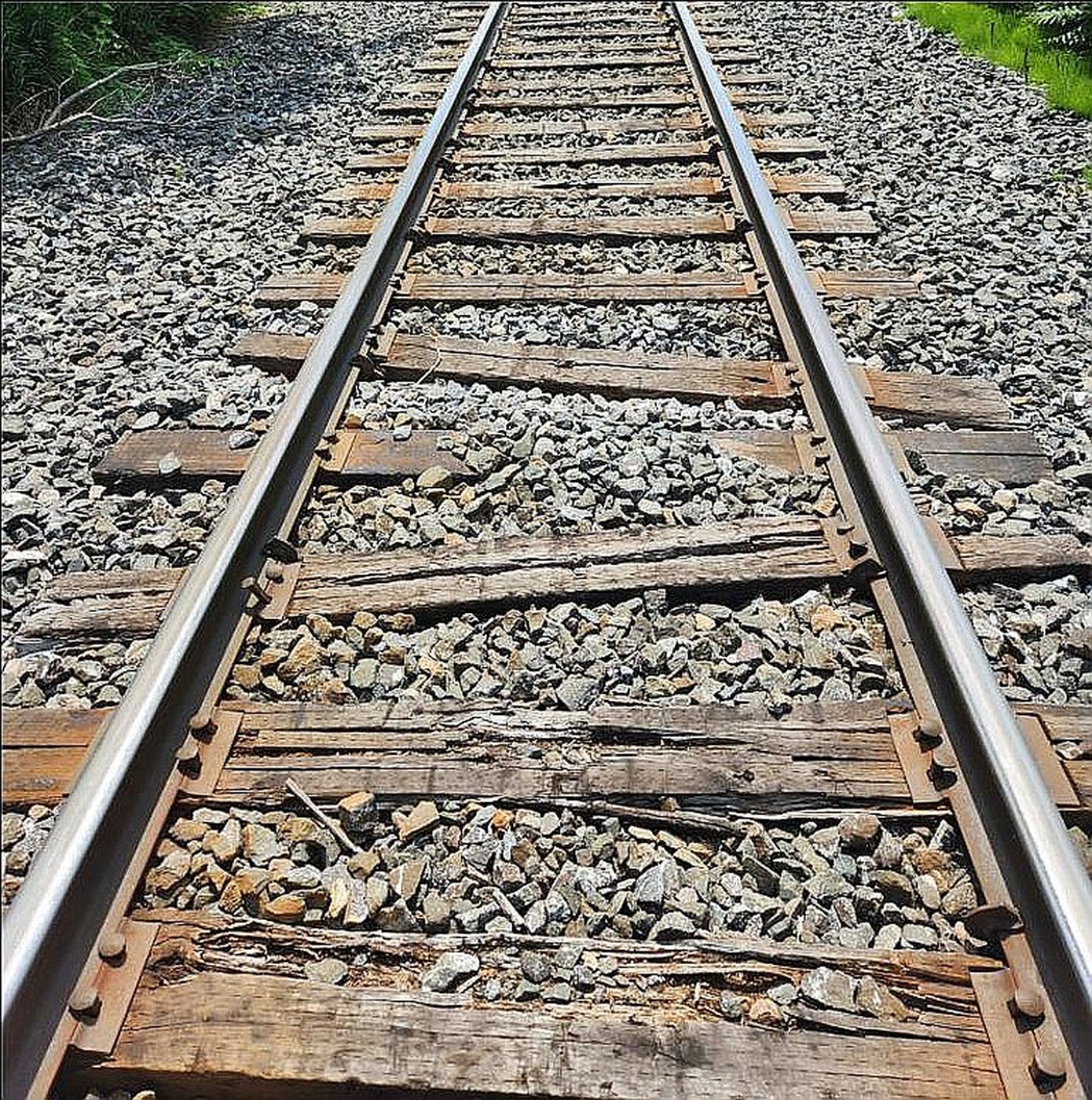
De Angelis wrote that rail anchors were missing or had displaced in a few areas, while several ties were skewed.
The advisory also says the rail showed signs of friction from the spikes against the ties, and the rails shifted by as much as almost nine cm in some spots.
“Missing or displaced rail anchors could lead to a local redistribution of stresses in the rail and reduce the longitudinal and lateral stability of the track, which could increase the risk of derailment due to track buckling,” De Angelis concluded.
In his advisory, De Angelis says it was 29 degrees the day the train derailed. The locomotive was travelling southward at 77 km per hour.
Because of thermal expansion of railways, trains must reduce their speed by 16 km per hour when the temperature reaches 30 degrees.
De Angelis urged Transport Canada to verify the integrity of the tracts and to inform the safety board of what action, if any, will be taken.
Repentigny Mayor Nicolas Dufour says the investigators’ findings are troubling, especially as the railroad line runs through a residential neighbourhood.
“The dilapidated state of the rail infrastructure — that is extremely concerning. CN has the power to fix this, so it should do so as quickly as possible,” he said in a phone interview.
In an email, Transport Canada spokesperson Hicham Ayoun said the department is working with the safety board and its rail inspectors to ensure all necessary safety measures are in place.
In the meantime, the railway must maintain a reduced operating speed of 16 km per hour through the affected area until post-repair inspections are done, Ayoun said.
Dufour said he wants the federal transportation department to put operations on hold until the necessary repairs are made. The Repentigny city council unanimously adopted a motion on Tuesday calling on the minister to consider permanently reducing speed limits on freight trains in residential areas.
With the findings in the safety advisory, Dufour says the city’s request “is more than legitimate.”
Dufour said he is relieved to see the safety board handling the case “with great rigour” and transparency.
The safety board says its investigation is ongoing and may result in recommendations to address safety deficiencies.
This report by The Canadian Press was first published July 16, 2026.
News from © The Canadian Press, . All rights reserved.
This material may not be published, broadcast, rewritten or redistributed.

This site is protected by reCAPTCHA and the Google Privacy Policy and Terms of Service apply.
Want to share your thoughts, add context, or connect with others in your community?
You must be logged in to post a comment.