Elevate your local knowledge
Sign up for the iNFOnews newsletter today!
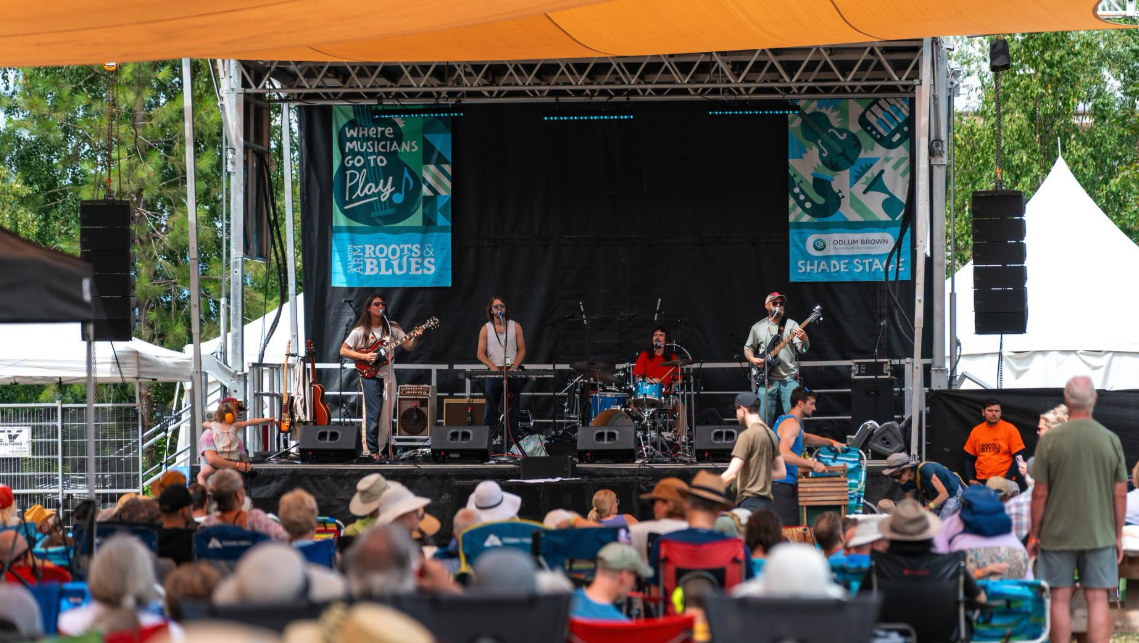
From hip-hop heavyweights Public Enemy to Icelandic indie-folk band Of Monsters and Men, the Okanagan hosts an array of music festivals over the summer catering to diverse tastes, and before you hesitate about forking out for a ticket, be grateful they exist at all.
Music festivals are facing tough times, and reports from Canada, the U.S. and Europe lament the decline of the industry and demonstrate that surviving for more than a few years is testament to organizers, and the fans that put their hands in their pocket and buy tickets.
Fans have been buying tickets for the Salmon Arm Roots and Blues Festival since it started in a small community hall in 1992. Since then, it has grown to become one of the region’s longest-running music festivals, which on July 24 will celebrate its 34th year.
Roots and Blues artistic director Kevin Tobin says multiple factors contribute to why the festival has stood the test of time.
“We have a dedicated audience, and that’s been built up over many, many years,” Kevin said.
However, as the years pass, that audience changes so the festival has to constantly reinvent itself.
“You have to make sure that you are meeting the needs of that core audience and those repeat customers, because if you’re not providing that level of experience for them, there are lots of other places that they can spend their time and spend their money,” Tobin said.
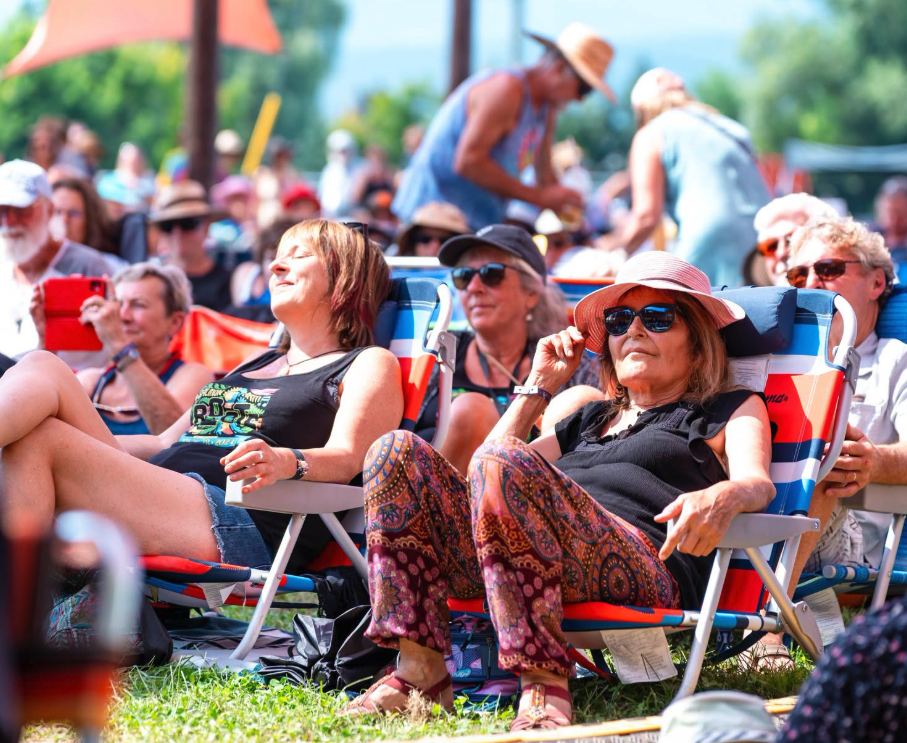
He said the beautiful geographic backdrop of Salmon Arm helps, the 650 camping spots (that quickly sell out) allow for affordable accommodation, and the family-friendly vibe are some aspects that have seen Roots and Blues stand the test of time.
“We’re very heavy on our data and learning about our audience and kind of what makes them engage in the festival operation,” he said.
It also helps that it doesn’t have to make money.
“And as a non-profit… we’re not driven by profit, we’re driven by sustainability and that mentality allows us to still try to keep our ticket prices down, make the festival accessible, make it affordable, make that on-site experience a varied one depending on the demographic,” Tobin said.
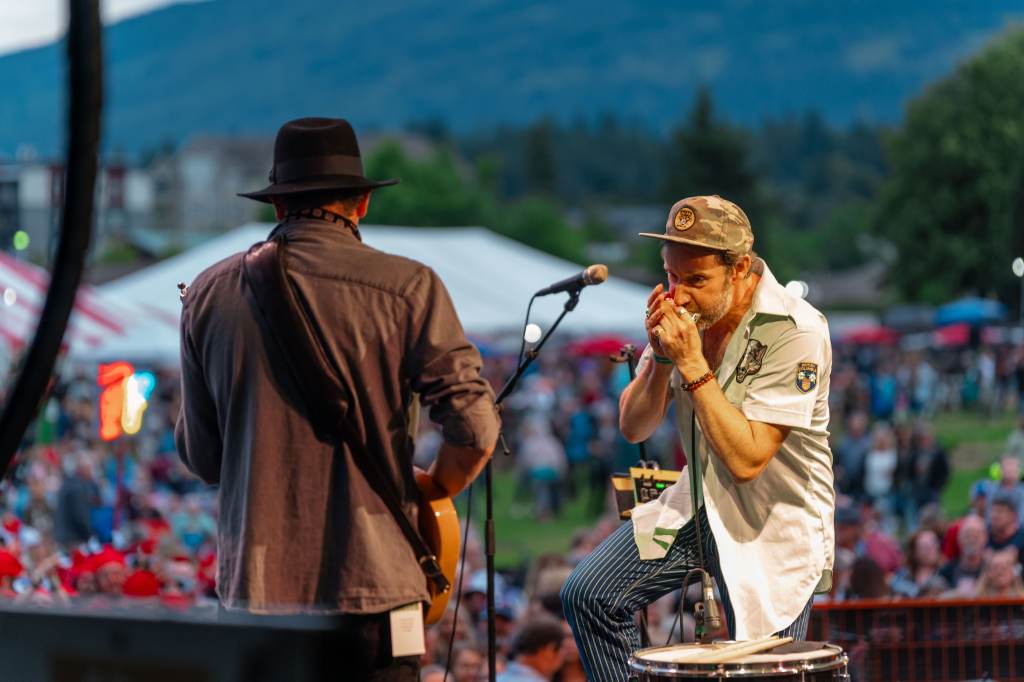
The festival attracts between 8,000 and 10,000 people a day, with the main demographic being 50-to 65-year-olds. Normally, about 70% of tickets are sold to repeat customers. This year 55% of the tickets were sold to repeat festival goers, so 45% are new customers.
“So we’re seeing a lot of new people come to the festival and buy tickets for the first time,” he said. “This year (we’re) definitely seeing more interest in audiences that are in the 25 to 45-year-old range.”
He puts it down to a combination of programming and marketing.
But there’s more to it than a good line-up and good marketing, and some festivals have been popular but fleeting.
The Boonstock Music Festival in Penticton drew big names and sold 8,000 tickets, but only lasted a year after being plagued with problems and cost overruns. Kelowna’s Center of Gravity festival ran for more than a decade before closing.
There are staples though.
Rock the Lake in Kelowna has been going for a decade and after a one-year hiatus, Denim on the Diamond festival is back.
There are also newcomers.
New this year, the True Rhythm Festival in Penticton features hip hop legends Public Enemy and punk festival Anarchy in the OK has extended to a three-day festival in Kelowna after being a single day event since launching two years ago.
The Armstrong Metal Fest is another music festival that’s stood the test of time and while the music is at the other end of the scale from Roots and Blues, the origins of the head-banging extravaganza come from the same grassroots love of music.
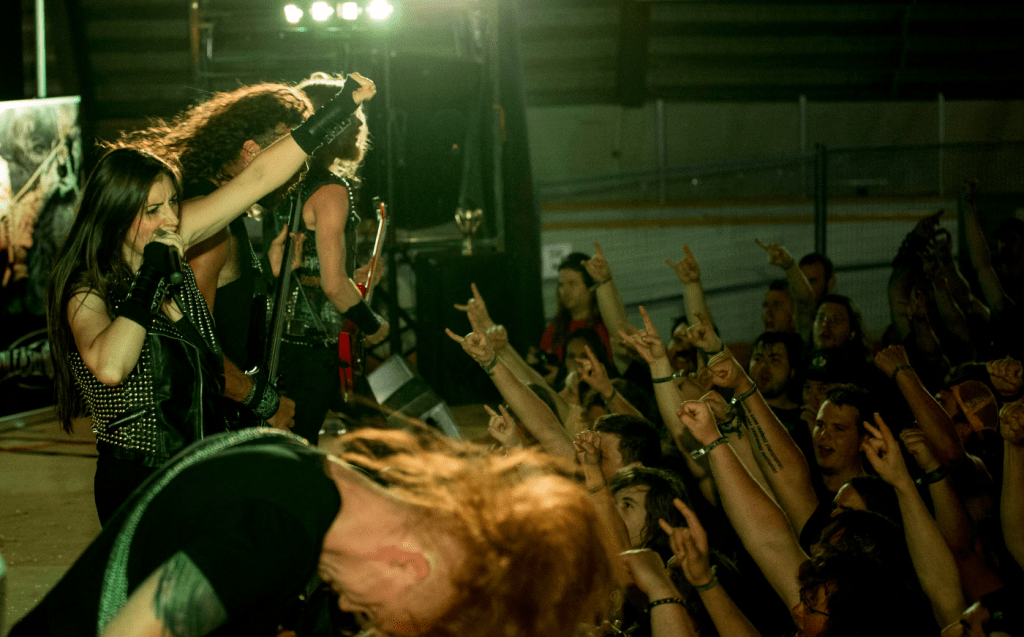
Bretton Melanson was only 20 years old when he organized and held the first Armstrong Metal Fest on his parents’ farm. A couple of years later, it moved to the Hassen Arena, and 17 years later, it’s still going.
“This is what we’re passionate about,” Melanson said. “We just do it because we want it to be there.”
Like Roots and Blues, Armstrong Metal Fest is a not-for-profit organization, which Melanson said is key, because festivals don’t make money.
And they cost a lot to put on.
Armstrong Metal Fest sells about 600 tickets each year to the two-day festival, which features 28 bands. It’s small-scale by festival standards, but Melanson said it still costs six figures.
With the porta-potties alone costing $40,000 to $50,000 at Roots and Blues, the festival costs about $1.5 million itself, with the total bill coming to about $2 million.
Okanagan musician Brad Krauza has worked in the music industry for decades, promoting bands and organizing festivals.
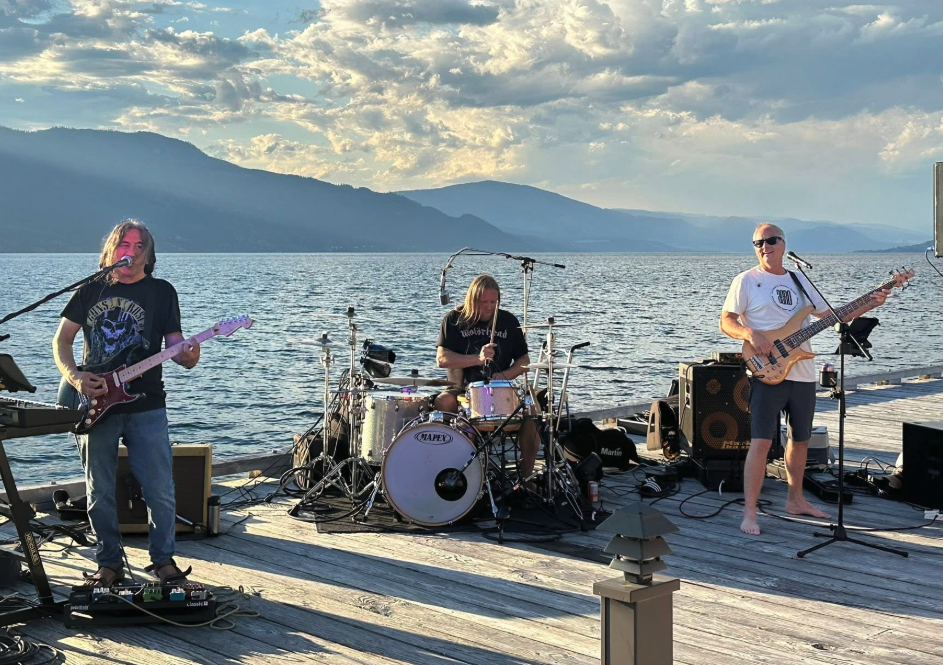
“I’ve lost so much money,” Krauza told iNFOnews.ca. “It’s a tough industry to be in.”
Over the years, Krauza has worked with ZZ Top, Judas Priest and INXS, and put on Gonzo Fest in Kelowna for five years.
Things went well until they didn’t.
“I had the biggest music partners in Canada all on board… all the pieces were all together… (then) COVID hits,” he said.
After a two-year hiatus, he revamped it but for the first time didn’t get a $25,000 grant.
“I lost $42,000,” he said. “I’m an independent little guy, but I have all these pieces together and I still lose.”
He tried again the next year and lost another $16,000.
Krauza blames the lack of grant funding, combined with people wanting to hold onto their money.
“For independent guys like me, you really have to have a community involved in it to be successful,” he said.
“Make sure you’re tied in with grant funding or sponsors… you’ve got to partner with… not-for-profits so they’re getting a chunk, (and) helping spread the word.”
Tobin credits Roots and Blues longevity with its connection and support from the community. It gets government funding, along with corporate sponsorships, and utilizes lots of volunteers from the community. They also do youth programming with high school students.
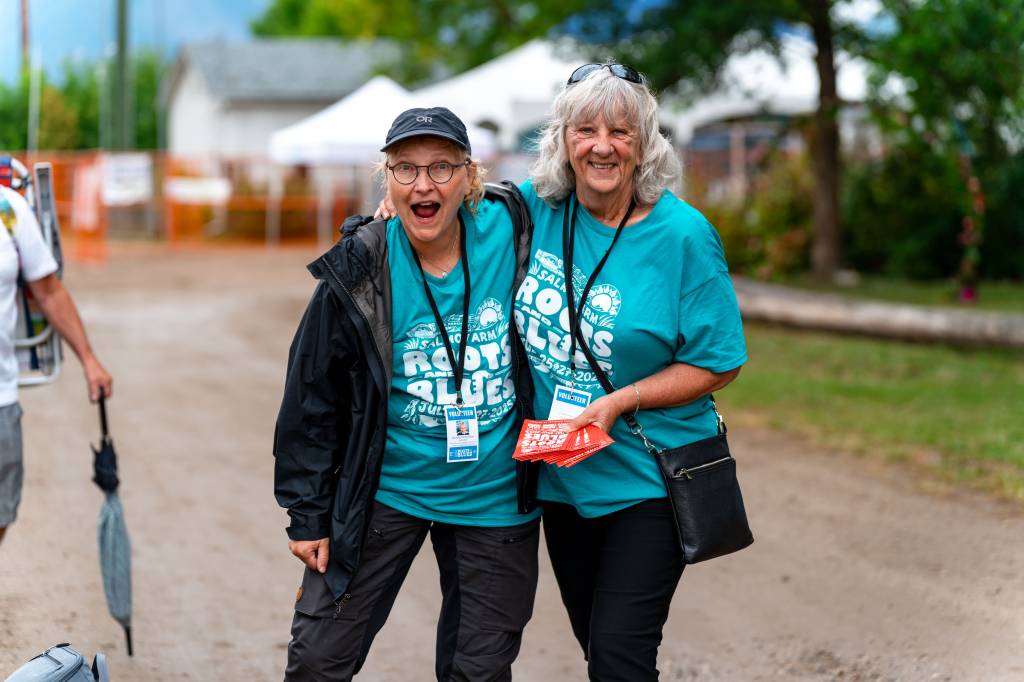
“It’s a way of not only community engagement but making sure that the festival continues to be relevant for all audiences,” he said.
Melanson said Metal Fest has stood the test of time in part to its niche audience, the passion he and the other organizers have about the music, and the fact they don’t make money.
“Make it what you’re passionate about, you’re not going to make money doing it. So you just have to make the thing that you want to exist in the world,” he said.
Armstrong Metal Festival runs July 17 and 18. For more information, go here.
Salmon Arm Roots and Blue Festival runs July 24 to 26. For more information, go here.
News from © iNFOnews.ca, . All rights reserved.
This material may not be published, broadcast, rewritten or redistributed.

This site is protected by reCAPTCHA and the Google Privacy Policy and Terms of Service apply.
Want to share your thoughts, add context, or connect with others in your community?
You must be logged in to post a comment.