Elevate your local knowledge
Sign up for the iNFOnews newsletter today!
LONDON (AP) — Two novels that tell complex and surprising stories of migration are among six finalists for the 2024 Women’s Prize for Fiction.
U.S.-French writer Aube Rey Lescure’s debut novel “River East, River West” depicts west to east immigration through the story of Americans in China, while British author Isabella Hammad’s “Enter Ghost” charts a Shakespearean actress’s complicated return to her Palestinian homeland.
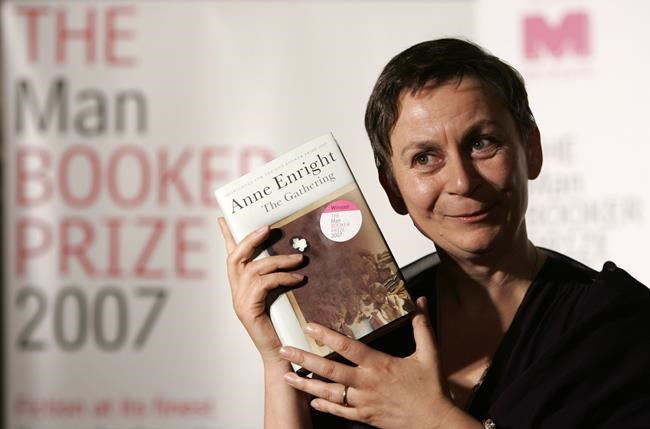
The shortlist announced Wednesday for the 30,000 pound ($37,000) award includes two Irish writers: Claire Kilroy, for her story of motherhood, “Soldier, Sailor,” and Anne Enright for multigenerational saga “The Wren, The Wren.”
Australia’s Kate Grenville, a previous Women’s Prize winner, makes the list with her eighth novel, historical adventure “Restless Dolly Maunder.” U.S. writer V. V. Ganeshananthan is nominated for her second novel, “Brotherless Night,” set during Sri Lanka’s civil war.

Founded in 1996, the prize is open to female English-language writers from any country. Past winners include Zadie Smith, Tayari Jones and Barbara Kingsolver, who won last year for “Demon Copperhead.”
This year, awards organizers launched a companion Women’s Prize for Nonfiction to help rectify an imbalance in publishing. In 2022, only 26.5% of nonfiction books reviewed in Britain’s newspapers were by women, and male writers dominated established nonfiction writing prizes.
The winners of both fiction and nonfiction prizes will be crowned at a ceremony in London on June 13.
News from © The Associated Press, . All rights reserved.
This material may not be published, broadcast, rewritten or redistributed.

This site is protected by reCAPTCHA and the Google Privacy Policy and Terms of Service apply.
Want to share your thoughts, add context, or connect with others in your community?
You must be logged in to post a comment.