Elevate your local knowledge
Sign up for the iNFOnews newsletter today!
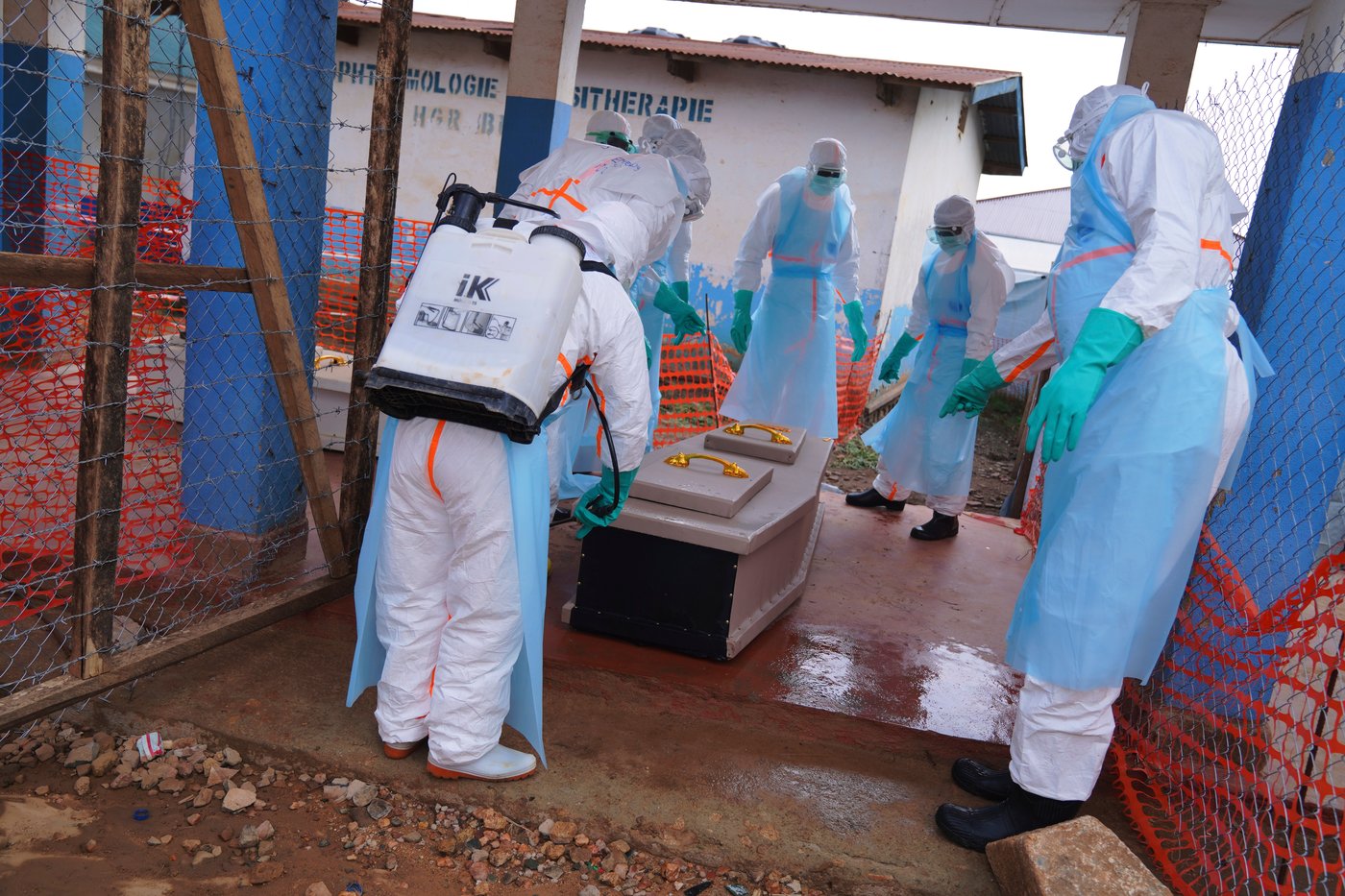
ABUJA, Nigeria (AP) — The Ebola outbreak in Congo has killed over 1,000 people, reaching the grim milestone nearly three times faster than the 2014-2016 Ebola epidemic that is considered the worst on record.
Data from Congo’s Ministry of Health shows that as of Tuesday, the current outbreak, declared on May 15, has recorded 2,536 confirmed cases, including 1,033 deaths.
During the 2014-2016 outbreak, which recorded more than 28,000 cases, including over 11,000 deaths, it took eight months to reach 1,000 deaths from the first recorded case. This year’s outbreak has reached that toll in just over two months, making it the fastest outbreak of the disease ever.
The ongoing outbreak has also recorded 2,500 cases almost three times quicker than that of 2014-2016.
Different viruses are behind the two outbreaks
According to the World Health Organization, Ebola is caused by a group of viruses, of which three are known to cause large outbreaks: Ebola virus, Sudan virus and Bundibugyo virus.
This year’s outbreak is caused by Bundibugyo virus, a rare variant which has no approved vaccines or treatments.
Meanwhile, the Ebola virus, which is the most common out of the three, induced the 2014-2016 outbreak, considered the deadliest in Congo’s history.
The current outbreak is mostly confined to Congo
The Bundibugyo outbreak is largely restricted to Congo except for a few countries, including Uganda. And in Congo, it’s limited to five provinces in the eastern region, which is close to the border with Uganda.
The 2014-2016 Ebola outbreak had spread widely in Guinea, Liberia and Sierra Leone and spilled over into nearby nations. A small number of cases were also reported in the United States and Europe, linked to West Africa.
The case fatality rate of the two outbreaks
This year’s outbreak has so far had a case fatality rate of 40%, and officials blame most of the deaths on patients reporting symptoms late.
The 2014-2016 outbreak had a fatality rate of 39.6% and overwhelmed health systems across multiple countries.
According to the U.S. Centers for Disease Control, the Ebola virus is the deadliest of the viruses known to have caused large Ebola outbreaks and up to 90% of cases caused by it are fatal if they receive no treatment.
Officials say the peak of the current outbreak could still be ahead because the patient zero has not been confirmed and the majority of new cases are coming from outside the contacts being monitored, as well as delays in identifying the variant behind the virus when cases started being reported.
The 2014-2016 outbreak lasted about three years. The first case was recorded in December 2013, but it was not until March 2014 that the outbreak was detected, and it was officially declared over in June 2016.
———
This story has been corrected to make clear that the fatality rate in the 2014-16 outbreak was 39.6% and not 66%.
News from © The Associated Press, . All rights reserved.
This material may not be published, broadcast, rewritten or redistributed.

This site is protected by reCAPTCHA and the Google Privacy Policy and Terms of Service apply.
Want to share your thoughts, add context, or connect with others in your community?
You must be logged in to post a comment.