Elevate your local knowledge
Sign up for the iNFOnews newsletter today!
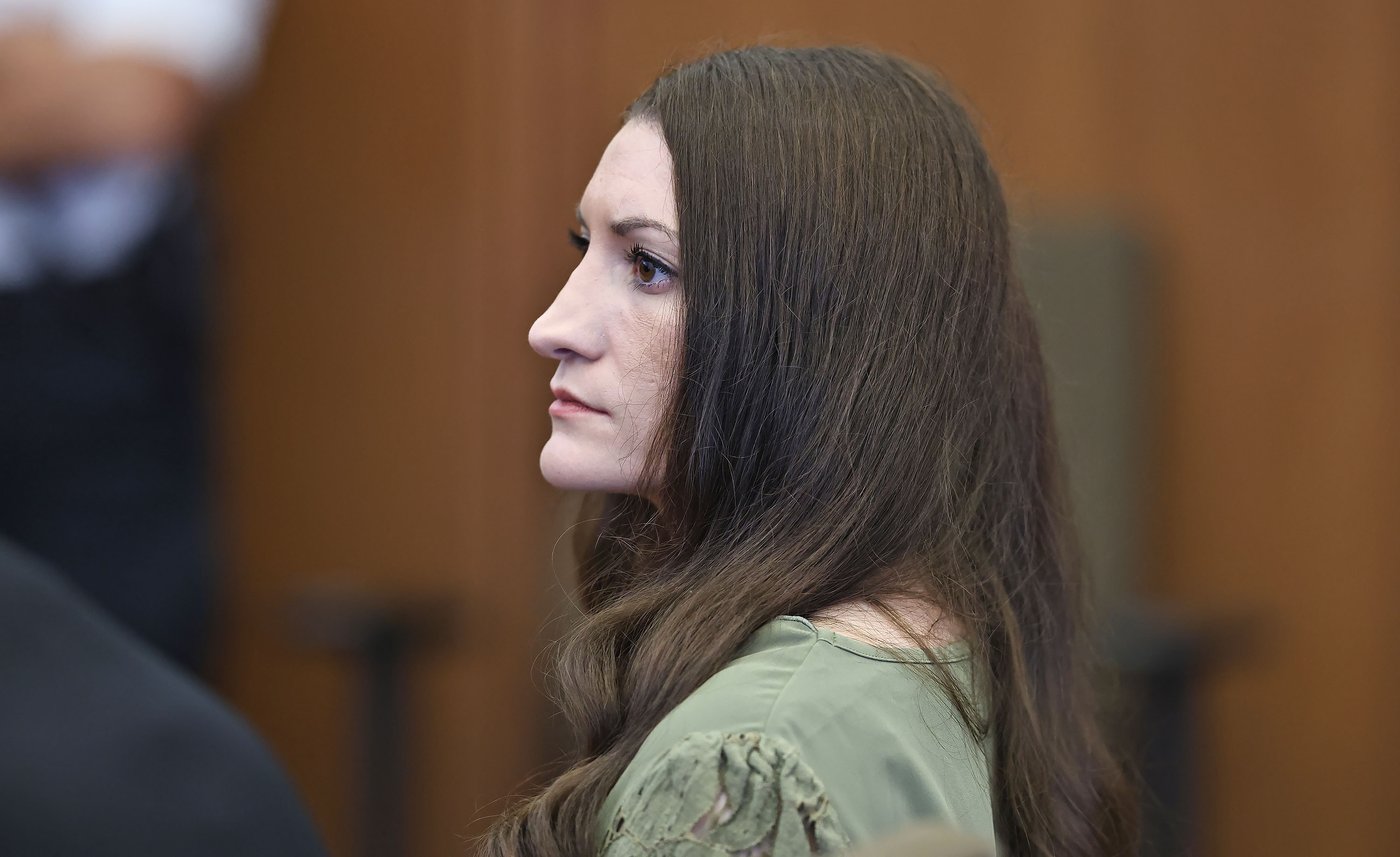
PLYMOUTH, Mass. (AP) — A judge in the Lindsay Clancy murder trial declared a mistrial Friday after jurors failed to reach a verdict in a case that sharply divided many Americans over whether the Massachusetts woman should be criminally responsible for killing her three young children.
The trial generated intense interest for weeks, drawing attention to maternal mental health after childbirth.
Clancy, a 36-year-old former labor and delivery nurse, never disputed that she killed the children. But her attorney said she had a rare condition called postpartum psychosis when she strangled her kids — the youngest just 8 months old — then tried to take her own life in 2023. Prosecutors said Clancy knew what she was doing.
Friday’s mistrial, on the seventh day of deliberations, leaves the case unresolved. In the end, the decision seemed to surprise no one in the courtroom. Neither Clancy nor her family showed emotion as the judge announced the trial was ending without a resolution.
___
EDITOR’S NOTE: This story includes discussion of suicide. If you or someone you know needs help, the national suicide and crisis lifeline in the U.S. is available by calling or texting 988.

___
Clancy’s attorney believes she was close to acquittal
Clancy remains charged with murder and is expected to stay at a psychiatric hospital until her case is resolved.
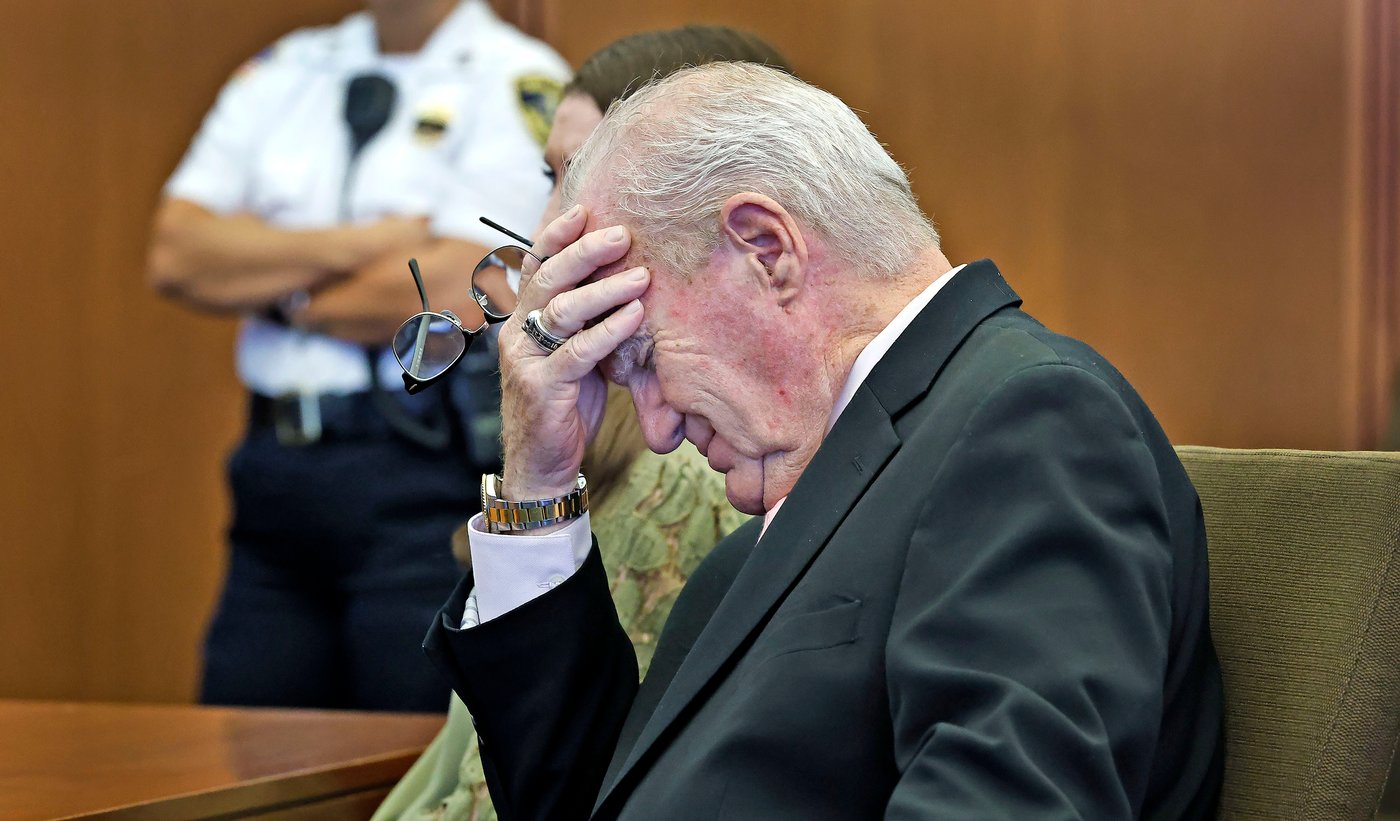
Her lawyer, Kevin Reddington, said he believes she would have been acquitted if not for a juror who was the subject of a dispute over whether the judge’s instructions were being followed.
Reddington said Clancy was “not good” when a reporter asked how she was doing after the mistrial.
Her parents and her sister were escorted from the courthouse by state police, saying nothing to reporters. Ex-husband Patrick Clancy, the trial’s first witness, has said in past interviews that he forgives her and believes her actions were the result of mental illness.
A statement released by his attorney Friday said “the prospect of reliving this tragedy through another trial is extraordinarily painful.”
Lindsay Clancy could face another trial
The prosecutor who decided to charge Clancy said there would not be an immediate decision about a second trial. He said public opinion would not be a factor.
“This was and has always been about getting justice for those three little babies,” said Plymouth County District Attorney Timothy Cruz. “This case is not about the healthcare system, or about how women are treated in it, or what diagnoses there are.”
He pointed out that the two trial prosecutors were “both mothers themselves.”

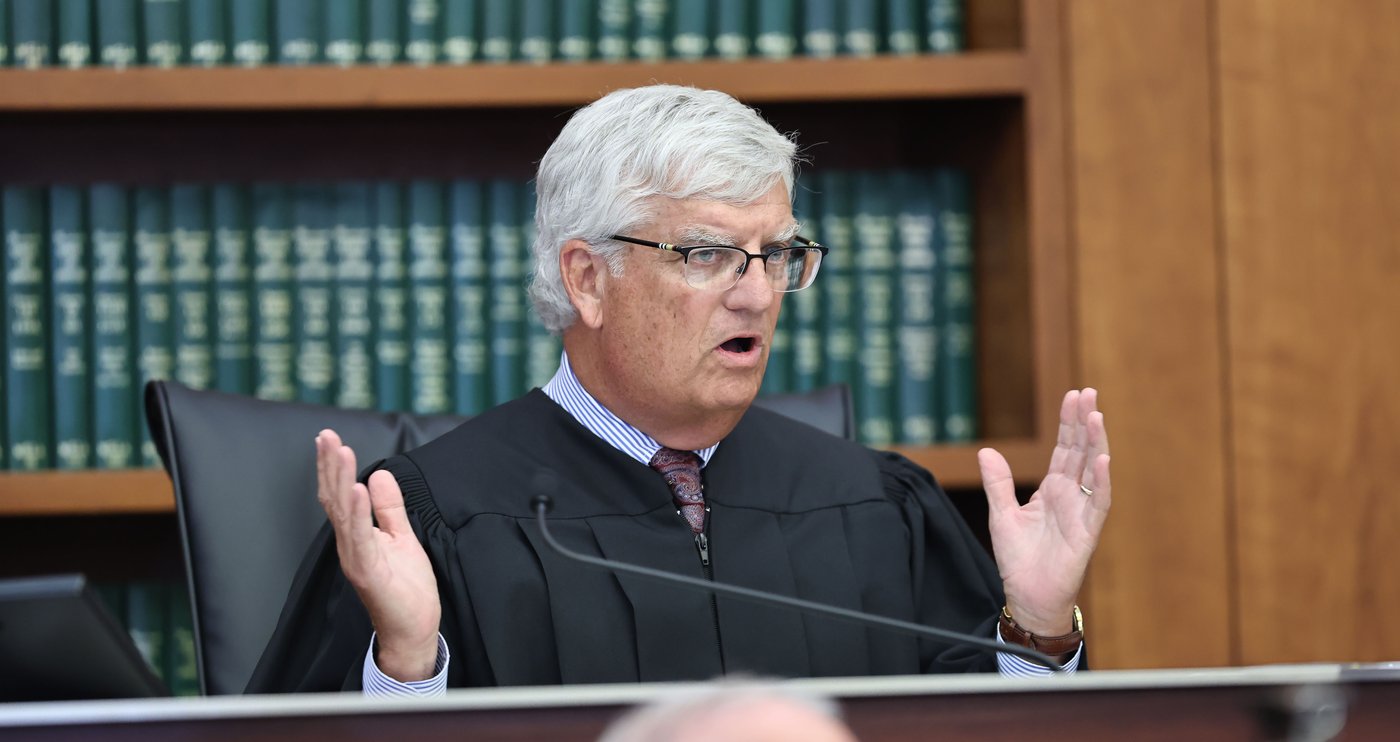
The deliberations took a dramatic turn Friday when the judge said he was going to declare a mistrial before suddenly changing course and letting Clancy’s attorney appeal that decision to the top court in Massachusetts. But the court declined to stop the judge from declaring a mistrial.
Clancy’s attorneys argued that one of the jurors revealed a possible bias against people with mental illness, without elaborating. They argued the juror should, at minimum, be questioned more thoroughly by the judge, or even dismissed outright before a mistrial was declared.
The jury said it couldn’t reach a verdict 3 times
Prosecutors said Clancy acted deliberately when she strangled 5-year-old Cora, 3-year-old Dawson and 8-month-old Callan Clancy with exercise bands. They said she contrived to get her husband out of the house on Jan. 24, 2023, by sending him to pick up medicine for one of their children and dinner for the family.
Clancy’s lawyer said she should not be held criminally responsible because of her postpartum psychosis, a rare mental illness linked to the stress, sleep deprivation and hormonal changes that follow childbirth.
On three occasions, jurors said they were unable to reach a unanimous decision. The jury’s foreperson told the judge Thursday that a single juror wouldn’t follow the court’s instructions about reasonable doubt.
Outside the courthouse Friday, Reddington blasted the juror he believes stood in the way of a verdict.
“They (the jury) know they were robbed by one man, for whatever his agenda was, who stole seven weeks of the life of these other jurors that were so attentive, so beautiful, so wonderful,” he said.
It was not clear how the jury was split or whether it favored conviction or acquittal. Clancy could have been sentenced to life in prison if convicted of murder. But if acquitted, the judge could have ordered her confined to a mental health facility.
The judge ordered that the names of the jurors be shielded for at least 14 days, saying the case garnered significant and divisive attention.
What Trump said about the Lindsay Clancy case
Millions across the U.S. watched the livestreamed trial. Even President Donald Trump said he was following the coverage.
“It’s a terrible situation. Look, she did a horrible, horrible thing,” Trump said Friday. “Can’t be worse. But you’ll find out what the price to pay is. There’ll be a price — a mental institution or jail or something.”
Most days women supporting Clancy and dressed in pink would attend the trial. Many referenced their own postpartum stories or troubling experiences with the healthcare system. On Friday one of those women, Marta Quijano, a 55-year-old surgeon, said the mistrial left her “very sad for the family, for Lindsay.”
“I don’t think she deserves to have to go through this all over again. I think this should have been resolved,” Quinjano said, starting to cry. “It’s very unfair. I feel as women we are treated very unfairly. We get dismissed. Things are minimized. Even what’s happened to today, I think one person failed her.”
The judge acknowledged early during deliberations that the trial had been emotionally and physically exhausting for everyone. Much of the testimony was excruciating to hear, from the heartbreaking 911 call made by the children’s father who found their bodies, to the descriptions of how they died.
Clancy was brought to tears several times. At one point, the judge called a short break as Clancy’s loud sobs filled the courtroom while the children’s autopsy photos were shown.
Lindsay Clancy’s mental health was the focus of the trial
Over 21 days of testimony, jurors heard how Clancy’s mental health collapsed after Callan’s birth.
Deeply anxious, unable to sleep and experiencing what she called a disturbing brain fog, Clancy sought care from experts in postpregnancy mood disorders, who prescribed multiple psychiatric medications.
Clancy’s family members testified that she expressed concern about her decline. Her former mother-in-law, Susan Clancy, called her a nurturing and loving mother who was “begging for help.”
Clancy checked herself into a psychiatric hospital early in 2023, but her stay was short. She killed the children 19 days after she was discharged, leaving their bodies in the basement of the family’s home south of Boston. Clancy then jumped from a second-story window and remains paralyzed from the waist down.
Prosecutors conceded that Clancy had severe mental illness, but insisted she was able to understand and control her actions. They emphasized that although she claimed to have heard a male voice commanding her to kill the children, she never disclosed that to her mental health providers before the killings.
___
Associated Press journalists Rodrique Ngowi in Plymouth; John Seewer in Toledo, Ohio; Philip Marcelo in New York; Jamie Stengle in Dallas; Sudhin Thanawala in Atlanta; and Ed White in Detroit contributed.
News from © The Associated Press, . All rights reserved.
This material may not be published, broadcast, rewritten or redistributed.

This site is protected by reCAPTCHA and the Google Privacy Policy and Terms of Service apply.
Want to share your thoughts, add context, or connect with others in your community?
You must be logged in to post a comment.