Elevate your local knowledge
Sign up for the iNFOnews newsletter today!
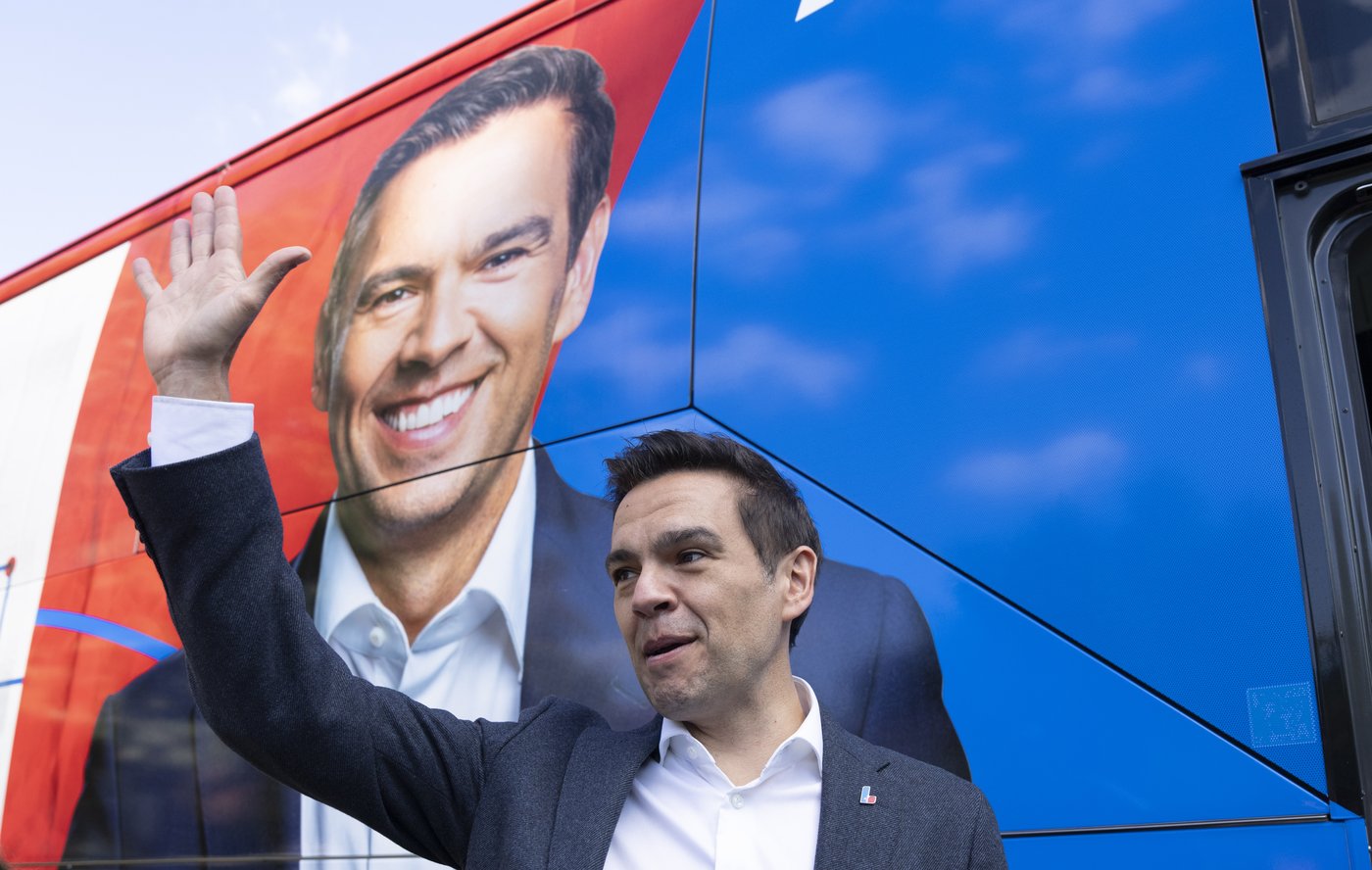
MONTREAL — With the Quebec election campaign almost at its halfway point, party leaders made themselves scarce on Monday as they prepared for their first two debates this week.
The first debate is scheduled on Tuesday evening and will feature all five party leaders.
It will be an opportunity for Coalition Avenir Québec Leader Christine Fréchette to try to paint herself as a change candidate and for other leaders to keep their standing, as long as they avoid stumbles, said Jean-François Daoust, political science professor at Université de Sherbrooke.
Fréchette’s campaign has already presented a break from her predecessor, François Legault, who led the provincial government for close to eight years before resigning in early 2026. The party namely went through a rebrand, removing the words “Coalition Avenir Québec” from electoral posters in favour of Fréchette’s name.
“The party went from being threatened to be completely wiped from the electoral map … to being competitive to form the next government,” said Daoust.

Fréchette will need to present herself as a new face in the debates, he said — which might be a challenge. Daoust pointed out that before taking on the role of party leader, Fréchette held multiple key offices within the party, working as immigration minister or as the so-called “super minister” of the economy.
“It’s not like Mark Carney, who was an outsider and who was able to renew himself as being an image of the change. She was a minister — she is the image of the Coalition Avenir Québec’s track record,” he said.
The challenge for Parti Québécois Leader Paul St-Pierre Plamondon will be to avoid “getting carried away,” said Daoust.
“He is the leader perceived as the most competent, but he has to continue to manage his image well and not look arrogant or condescending,” he said.
Liberal Leader Charles Milliard will have the opportunity to extend his reach outside of anglophone strongholds, said Daoust, adding he will be interested to see how the leader approaches the Quebec nationalist discourse.
Meanwhile, the debate will be an opportunity for Conservative Leader Éric Duhaime to shine without being burdened by his most controversial candidates, who have made headlines for past comments or legal issues, said Daoust.
Left-wing party Québec solidaire has been struggling to stand out during the campaign, said Daoust. While the party used to stand alone in addressing issues like homelessness, housing and cost of living, these talking points have become mainstream, he said.
Fréchette and Plamondon have both paused their public activities until the first debate. The Parti Québécois is set to unveil the financial framework of its platform during the day on Tuesday, the last of the five major parties to do so.
Both Milliard and Québec solidaire spokesperson Ruba Ghazal visited Montreal’s Maisonneuve-Rosemont hospital on Monday morning, while Duhaime spoke about immigration at a press conference in downtown Montreal.
Ultimately, the question in Daoust’s mind isn’t which party will form the government.
“Although the Parti Québécois is clearly ahead and is very likely to win more seats than all the other parties, it is unclear whether it’s going to be a majority or minority government,” he said.
He still expects the results to have ripple effects on the other parties.
“The second place is still important in some ways to get a better sense of what will remain of the Coalition Avenir Québec (after the elections). And there will not remain much of it if the Parti Québécois forms a majority government,” he said.
While he expects most voters have already made up their minds on which party will have their vote on Oct. 5, he said the debates remain an opportunity for leaders to try to swing the needle in their direction.
This report by The Canadian Press was first published Sept. 14, 2026.
News from © The Canadian Press, . All rights reserved.
This material may not be published, broadcast, rewritten or redistributed.

This site is protected by reCAPTCHA and the Google Privacy Policy and Terms of Service apply.
Want to share your thoughts, add context, or connect with others in your community?
You must be logged in to post a comment.