Elevate your local knowledge
Sign up for the iNFOnews newsletter today!
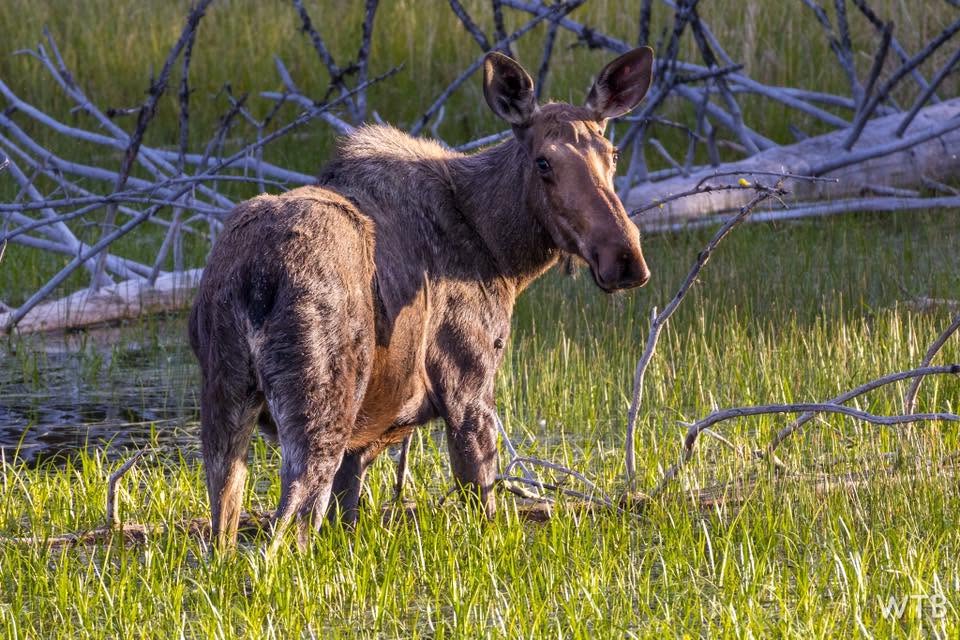
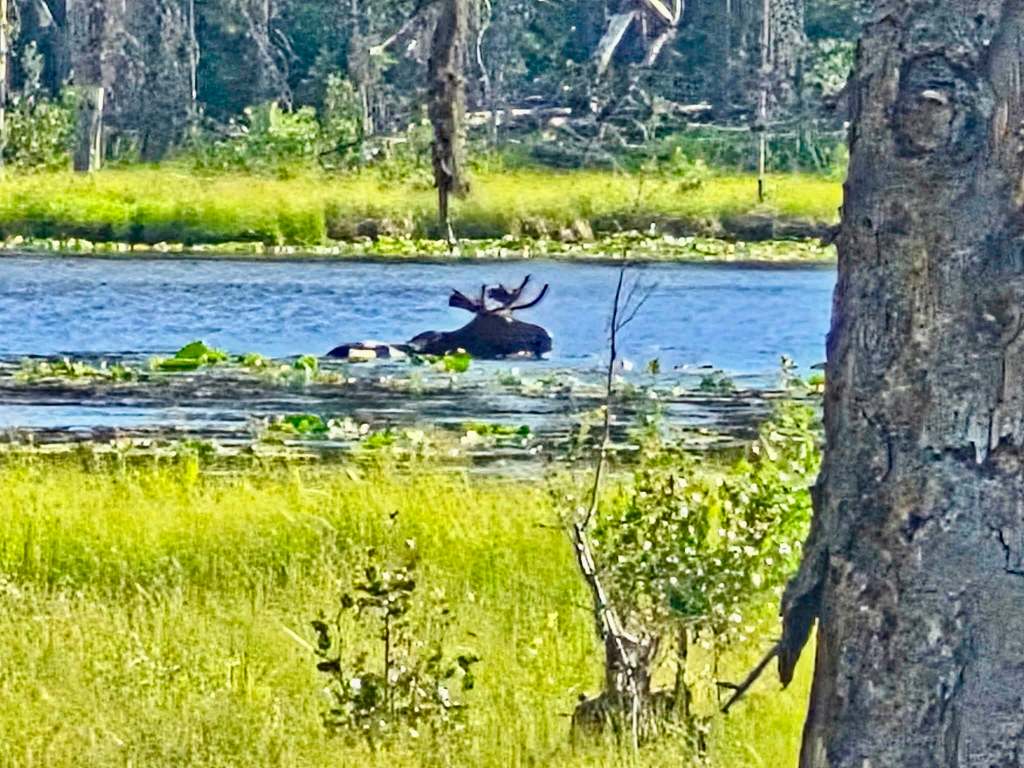
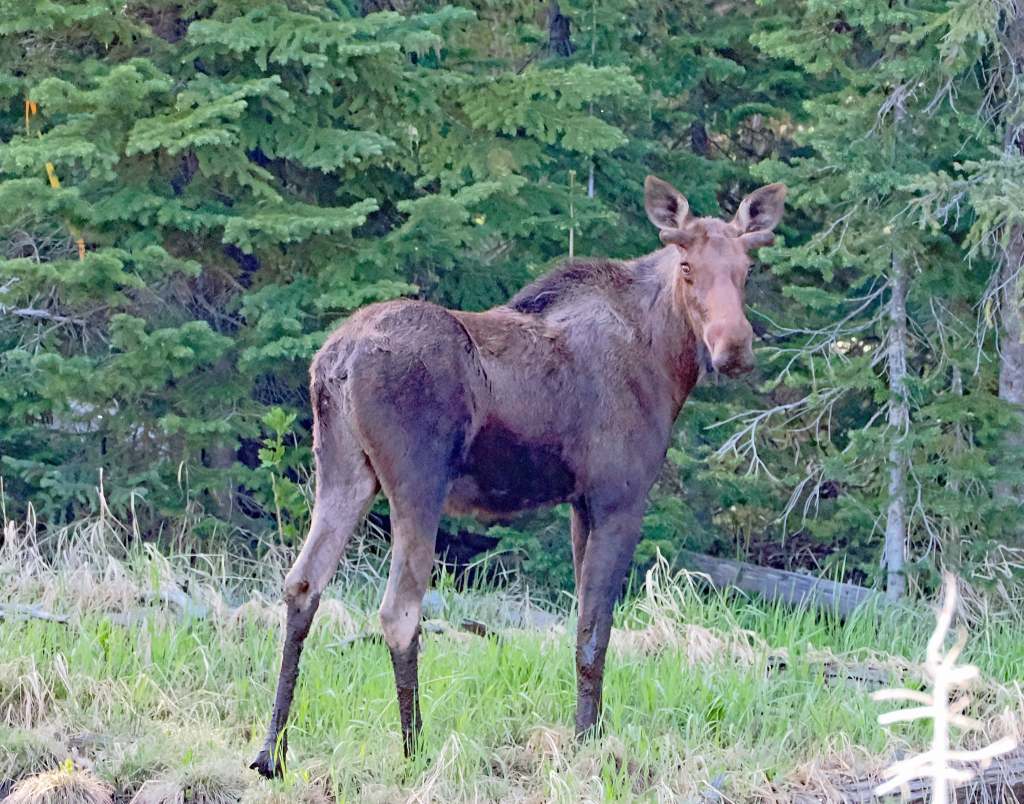
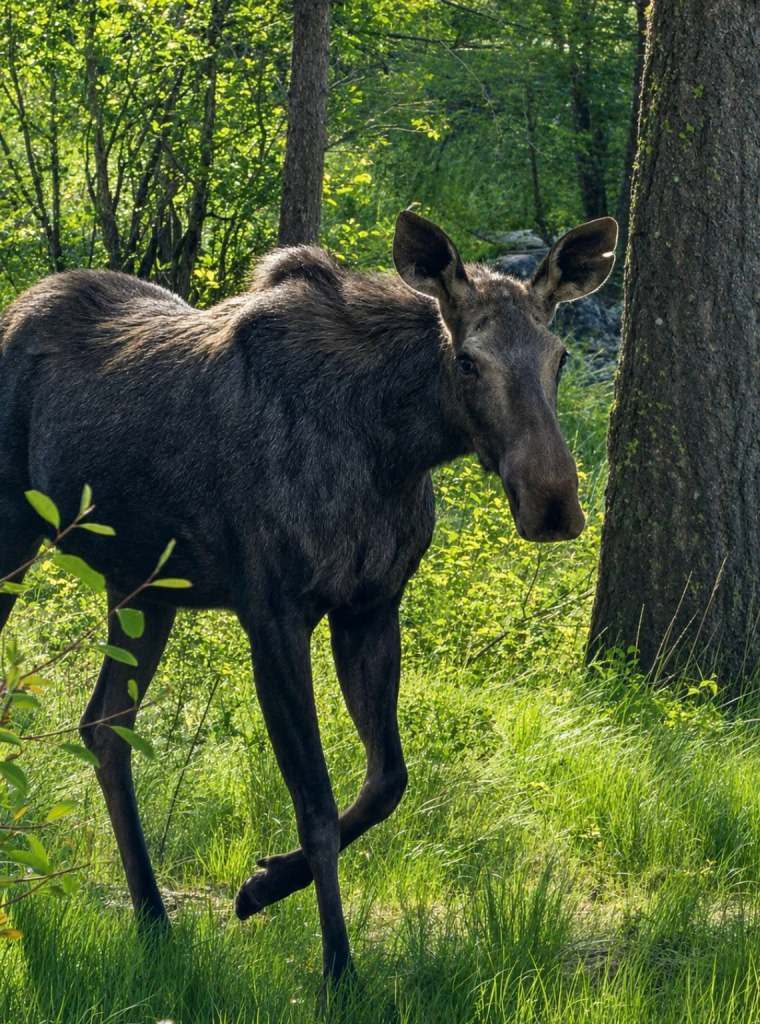
Hiding in the forests of the Thompson-Okanagan region, moose are mostly solitary creatures, and despite their giant sizes and awkward builds, the animals are known to be elusive.
Affectionately called swamp donkeys for their wetland habitats, they are found across the province, primarily in the north.
Known for their bulbous noses, palmated antlers and haunting mating calls, moose are distinctively huge in size being the largest members of the deer family.
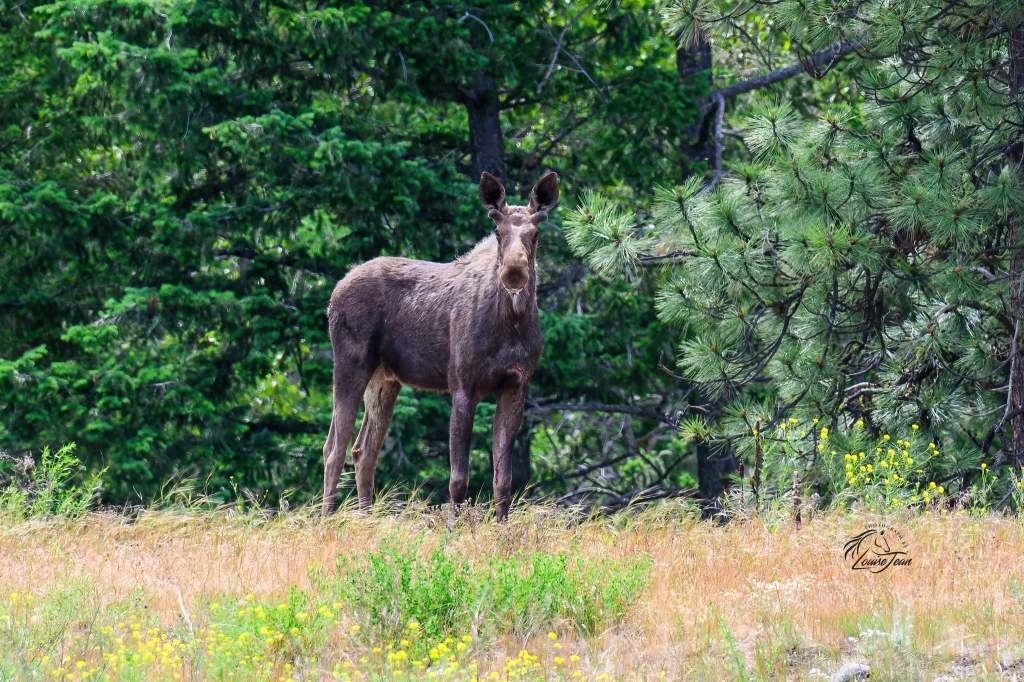
Adult males called bulls are almost two metres tall, weigh up to 1,000 lb., and have the largest antlers of the deer family, while females called cows can weigh up to 900 lb. and don’t have antlers, according to the provincial environment ministry.
The antlers are initially covered in velvet and reach full size by September, when the velvet dries and moose can be spotted rubbing it off against trees. Males use antlers to spar with other males during the fall rut, and shed them during winter.
The big beasts are powerful swimmers, and surprisingly fast runners on their long, spindly legs, according to Fact Animal, reaching speeds of 60 km/h at full gallop.
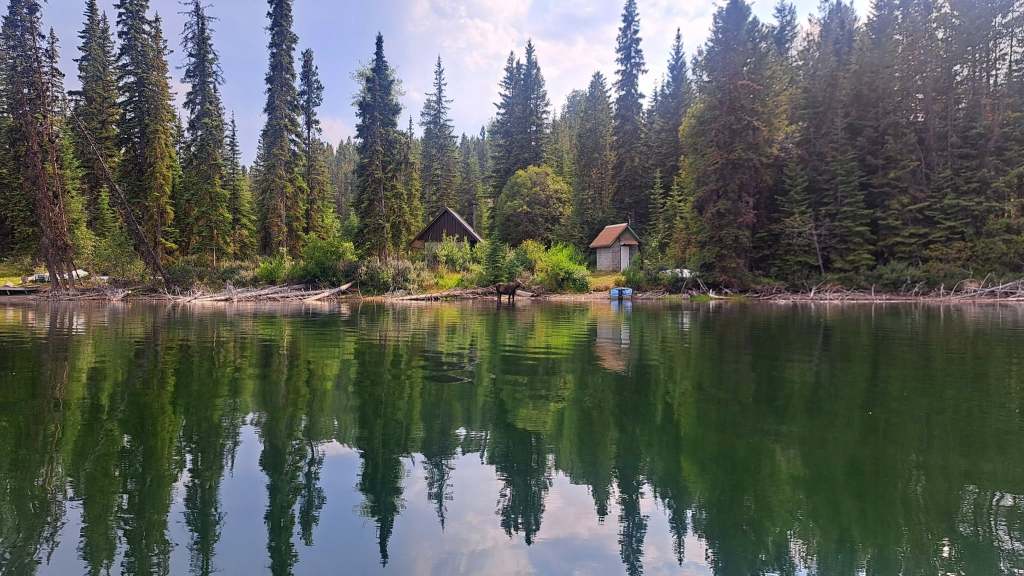
Being browsing herbivores, half their diet is aquatic plants which their odd-looking bulbous noses are specially designed for as they can closed when the moose is foraging under water.
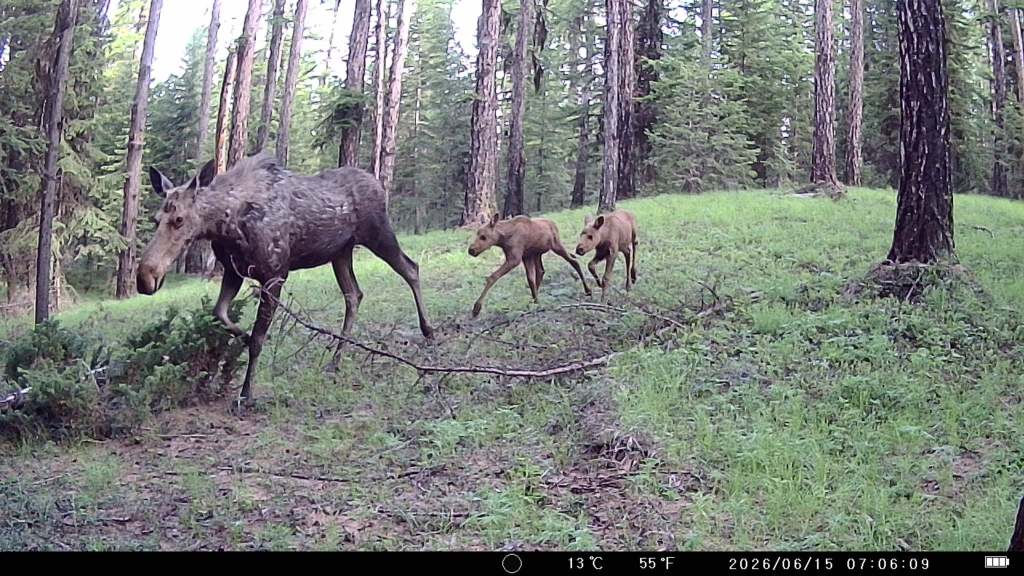
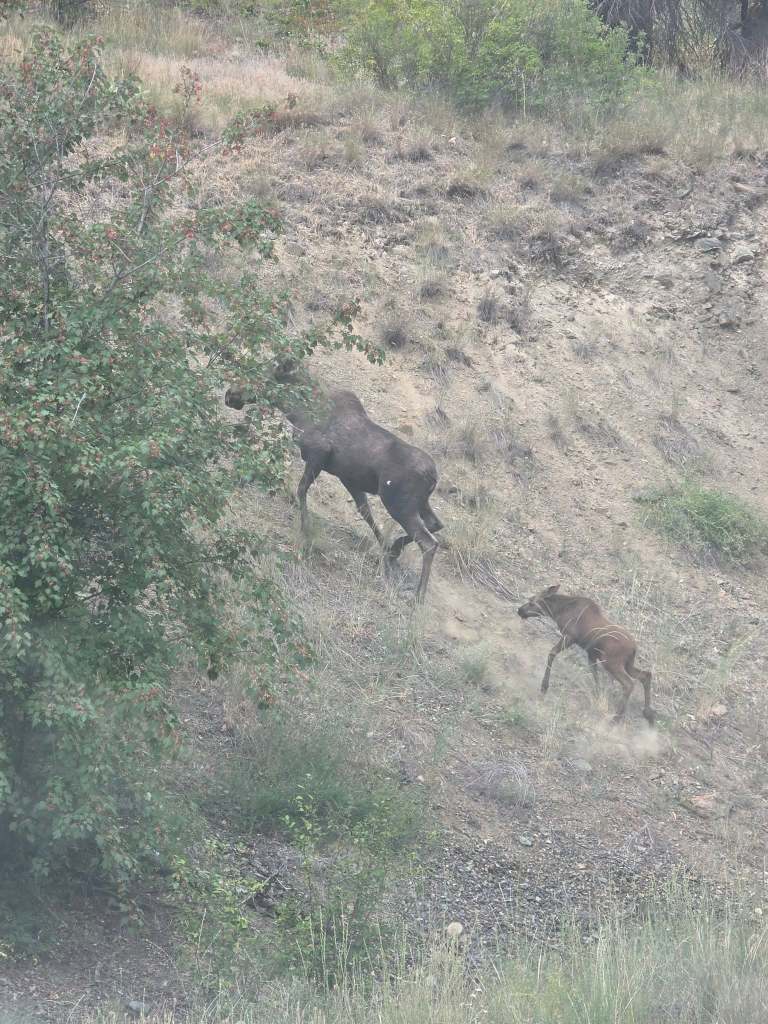
Aside from finding moose in groups during rutting season, the creatures are solitary with the only social bond happening between females and their calves, which they fiercely protect for a year until the next one is born.
Moose die naturally by starvation or to predators including wolves, bears and cougars. They also succumb to hunters, and collisions with trains and vehicles. Severe winters can take out the older, sickly ones.
These shy beasts are known to be aggressive during mating season, while females are protecting young, or when they find fallen, fermenting fruit to eat and get tipsy.
News from © iNFOnews.ca, . All rights reserved.
This material may not be published, broadcast, rewritten or redistributed.

This site is protected by reCAPTCHA and the Google Privacy Policy and Terms of Service apply.
Want to share your thoughts, add context, or connect with others in your community?
You must be logged in to post a comment.