Elevate your local knowledge
Sign up for the iNFOnews newsletter today!
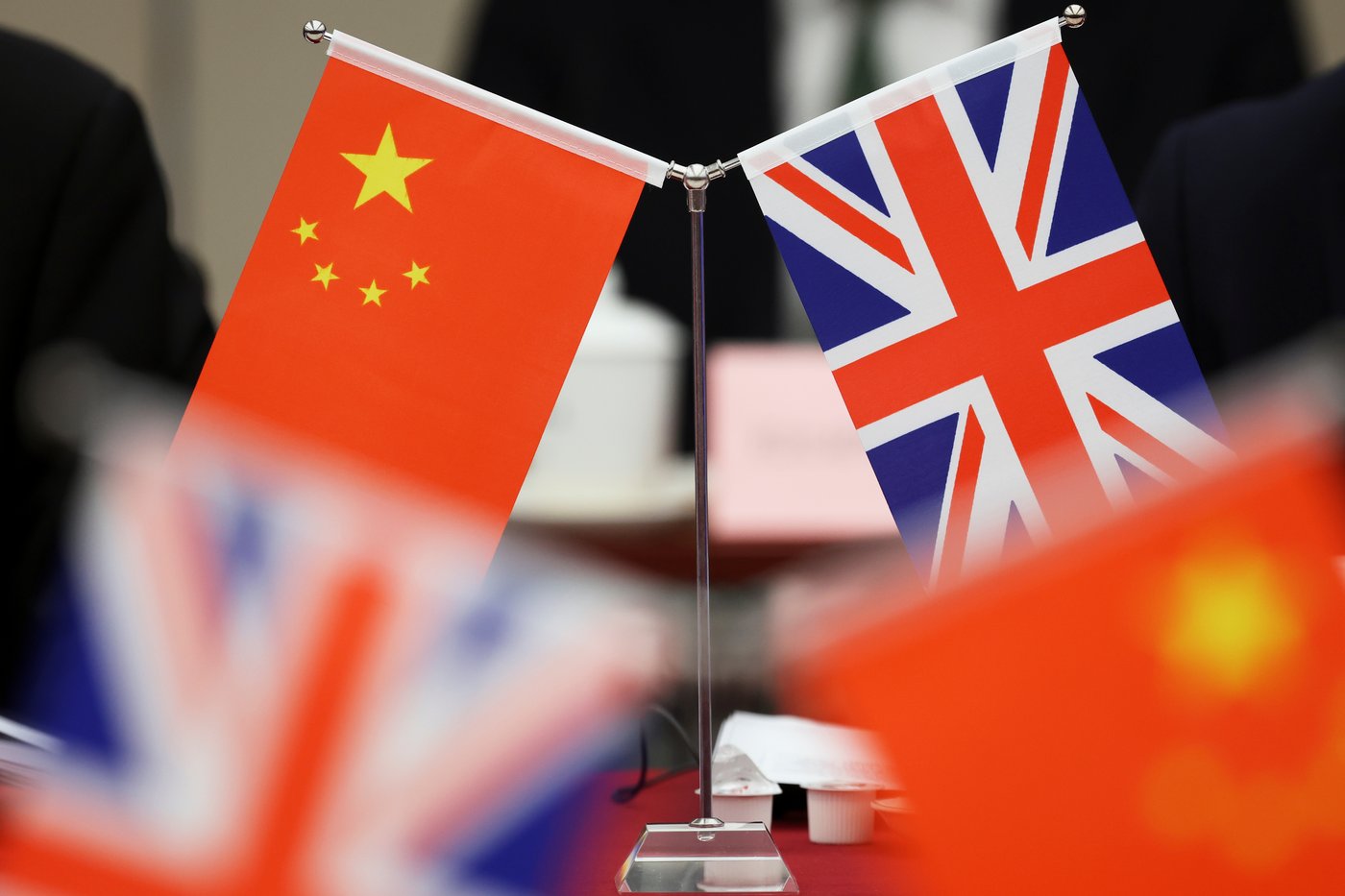
LONDON (AP) — The British government on Wednesday told U.K. universities to stop working with a Chinese research institute that Britain’s security service says is a front for espionage.
Security Minister Dan Jarvis said British academics should “end all arrangements” with the China General Technology Research Institute.
A spokesperson for China’s Embassy in the U.K. vehemently denied the accusations, calling them “imaginary and purely fabricated.”
“We firmly oppose such baseless allegations and have lodged solemn representations with the U.K. side,” the spokesperson said in a statement.
MI5, Britain’s domestic intelligence agency, said more than 100 U.K.-linked academics have worked on projects secretly funded by Chinese intelligence through the research institute. The projects included work on cybersecurity, artificial intelligence, covert communications systems and steganography, the practice of hiding messages.
MI5 said the institute has “very strong ties to the Chinese Ministry of State Security” and seeks to fund research that improves the Chinese state’s “technical capacity for espionage.”
British intelligence officials have in recent years steadily ramped up their warnings about espionage threats from China, the U.K.’s third largest trading partner. A year ago, MI5 Director-General Ken McCallum said Chinese state actors present a security threat “every day.”
In June, the Five Eyes intelligence-sharing nations — the U.S., U.K., Australia, New Zealand and Canada — warned that Chinese spies were using job websites to try and extract sensitive information from military and government personnel.
Jarvis said the MI5 alert “exposes attempts by Chinese intelligence to covertly benefit from the expertise and research of our academics, undermining our national security, and that of our allies.”
He said he had written to university chiefs “to ensure they support their staff to end all arrangements with this company,” adding that collaborating with the research institute could breach the National Security Act.
The Chinese embassy spokesperson said collaboration between U.K. universities and China are conducted on a voluntary basis and in compliance with laws and regulations.
“Such exchanges and collaboration are mutually beneficial,” the spokesperson said. “We urge the U.K. intelligence authorities to stop spreading falsehoods and stop undermining educational exchanges and research cooperation between China and the U.K.”
Libby Hackett, chief executive of the Russell Group of 24 research-intensive British universities, said the institutions ”take national security responsibilities very seriously.”
“The ground-breaking research that Russell Group universities produce, including in fields of strategic national importance, is an incredibly important asset for the U.K.,” she said. “International collaboration remains a crucial part of the picture, but we know our world-leading research strengths can make the U.K. a target for hostile actors.”
News from © The Associated Press, . All rights reserved.
This material may not be published, broadcast, rewritten or redistributed.

This site is protected by reCAPTCHA and the Google Privacy Policy and Terms of Service apply.
Want to share your thoughts, add context, or connect with others in your community?
You must be logged in to post a comment.