Elevate your local knowledge
Sign up for the iNFOnews newsletter today!
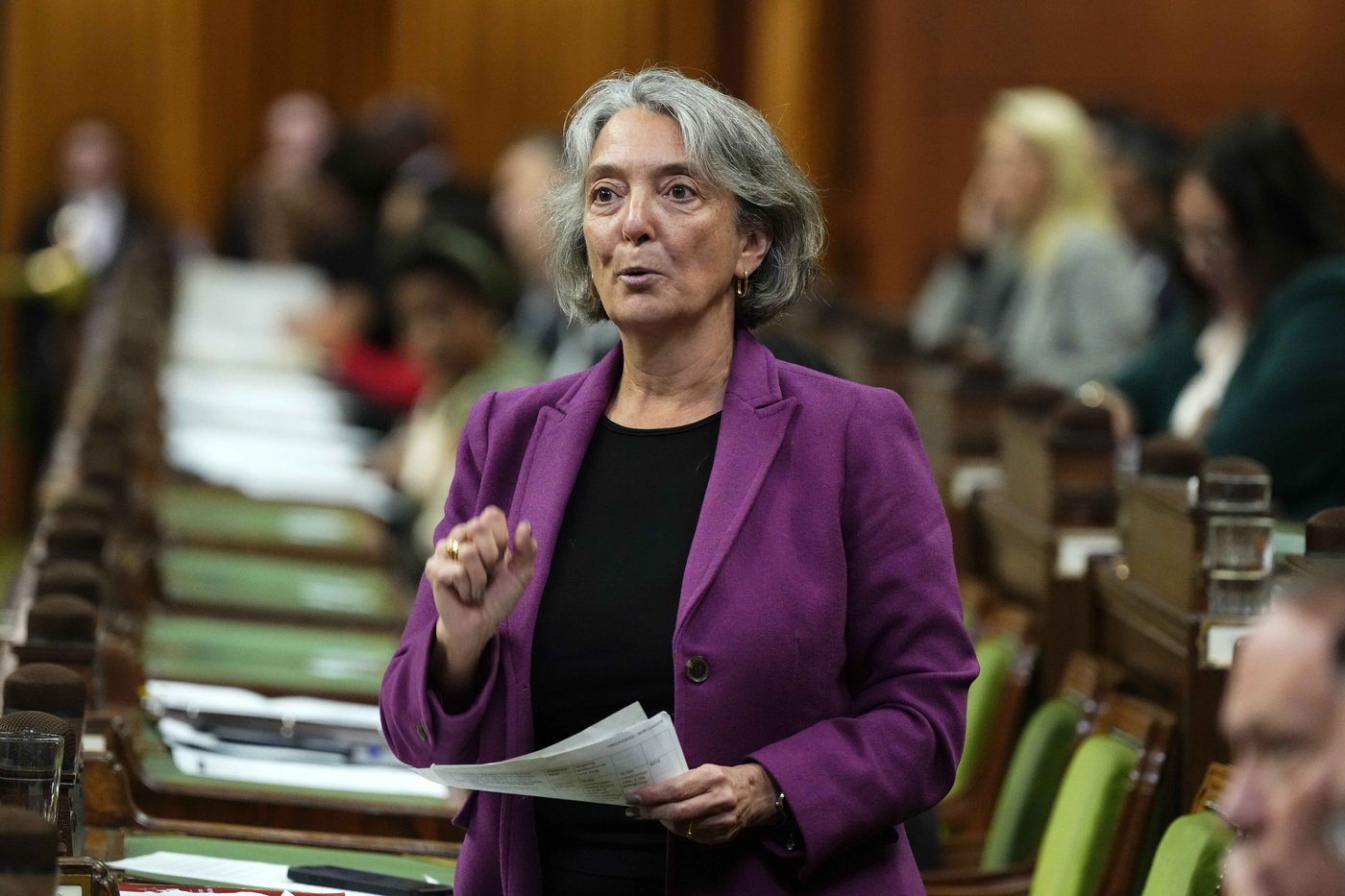
OTTAWA — Canada will present itself as an international climate leader when it sends a delegation to the annual UN climate talks next week in Turkey, despite its rollbacks of climate policy under Prime Minister Mark Carney.
Government officials held a technical briefing for journalists Monday ahead of the annual two-week COP31 conference, the main forum for the UN Framework Convention on Climate Change and the 2015 Paris climate pact.
That pact committed signatories to reducing emissions sharply to keep global warming below 2 C and as close as possible to 1.5 C above pre-industrial levels by the end of this century. A UN report last month said that goal is now out of reach because emissions have not come down fast enough.
That report will be a key feature of the upcoming COP31, where discussions will address how to reduce emissions to keep warming below 2 C by 2100.
Government officials told the briefing on Monday that Canada remains a “credible international actor on climate change” that other countries are keen to engage with.
But Patrick Bonin, the Bloc Québécois environment critic who will attend COP31 as part of the Canadian delegation, said Canada’s track record of rolling back climate policy has harmed its international reputation.
“I can’t see how they can pivot over a few days during COP to have any credibility on climate change,” Bonin told The Canadian Press in French.
“We’re no longer in an era where Canada can lend itself to any credibility with its action plan on climate, since Canada is in the middle of completely halting its short-term goals and can’t meet its 2030 emission reduction goals until at least 2050.”
The government’s own numbers show Canada is nowhere close to meeting its international commitment to reduce emissions by at least 40 per cent from 2005 levels by 2030.
Since taking office Carney has rolled back a number of climate policies initiated by the former government under Justin Trudeau, including eliminating the consumer carbon price, adjusting standards for the industrial carbon price, repealing a mandate for electric vehicle sales, and cancelling a planned emissions cap on oil and gas production.
In a video released in June, Carney said federal climate policy under former prime minister Justin Trudeau was too expensive and divisive.
That same month a number of Canada’s most prominent environmental groups, including the David Suzuki Foundation, Ecojustice, Greenpeace Canada, Nature Canada and Environmental Defence, pushed for meetings with Carney’s aides and MPs to discuss what they called “urgent concerns about the government’s moves to eviscerate environmental laws and procedures and to undermine Canada’s nature, climate and clean energy goals.”

Canada won the “fossil of the day” title at last year’s COP30 in Brazil. Climate Action Network International, which has handed out the satirical award since 1999, said Canada was singled out for the first time in more than a decade for “flushing years of climate action down the drain.”
Carney will not attend the leaders’ summit at the start of the summit but Environment Minister Julie Dabrusin will be in Turkey for the first week of talks. Officials said she will convene a ministerial meeting with the European Union of the Global Methane Pledge, a group of 159 countries committed to collectively reducing global methane emissions by 30 per cent from 2020 levels by 2030.
In June, UN Secretary-General António Guterres launched a global call to action on methane during an address at the London Climate Action Week.
Canadian officials on Monday said Canada will be “promoting” methane mitigation at COP31 as a “high-impact, cost-effective” way to address emissions.
In its latest annual national emissions report last month, the Canadian Climate Institute credited “fugitive methane emission reductions” as the main driver behind a lower level of emissions from Canada’s oil and gas sector in 2025, despite boosts in production.
But even on methane things have been slowed down as Canada delayed the implementation of its methane regulations.
Canada is also in the spotlight after the environment commissioner last week issued a report which found in 2024 the government abandoned work on a 2021 pledge to ban the export of thermal coal, without any record of having a directive to do so.
Government officials have since said the work is only “paused,” though the report said Ottawa formalized the end of the work in August 2025 as part of budget cuts.
Canada and the United Kingdom are the co-leaders of the Powering Past Coal alliance, which seeks to accelerate the transition off coal power around the world.
Government officials refused to say during Monday’s technical briefing whether Canada informed any of its international partners that its work to ban thermal coal exports had ended or was paused.
This report by The Canadian Press was first published Nov. 2, 2026.
News from © The Canadian Press, . All rights reserved.
This material may not be published, broadcast, rewritten or redistributed.

This site is protected by reCAPTCHA and the Google Privacy Policy and Terms of Service apply.
Want to share your thoughts, add context, or connect with others in your community?
You must be logged in to post a comment.