Elevate your local knowledge
Sign up for the iNFOnews newsletter today!
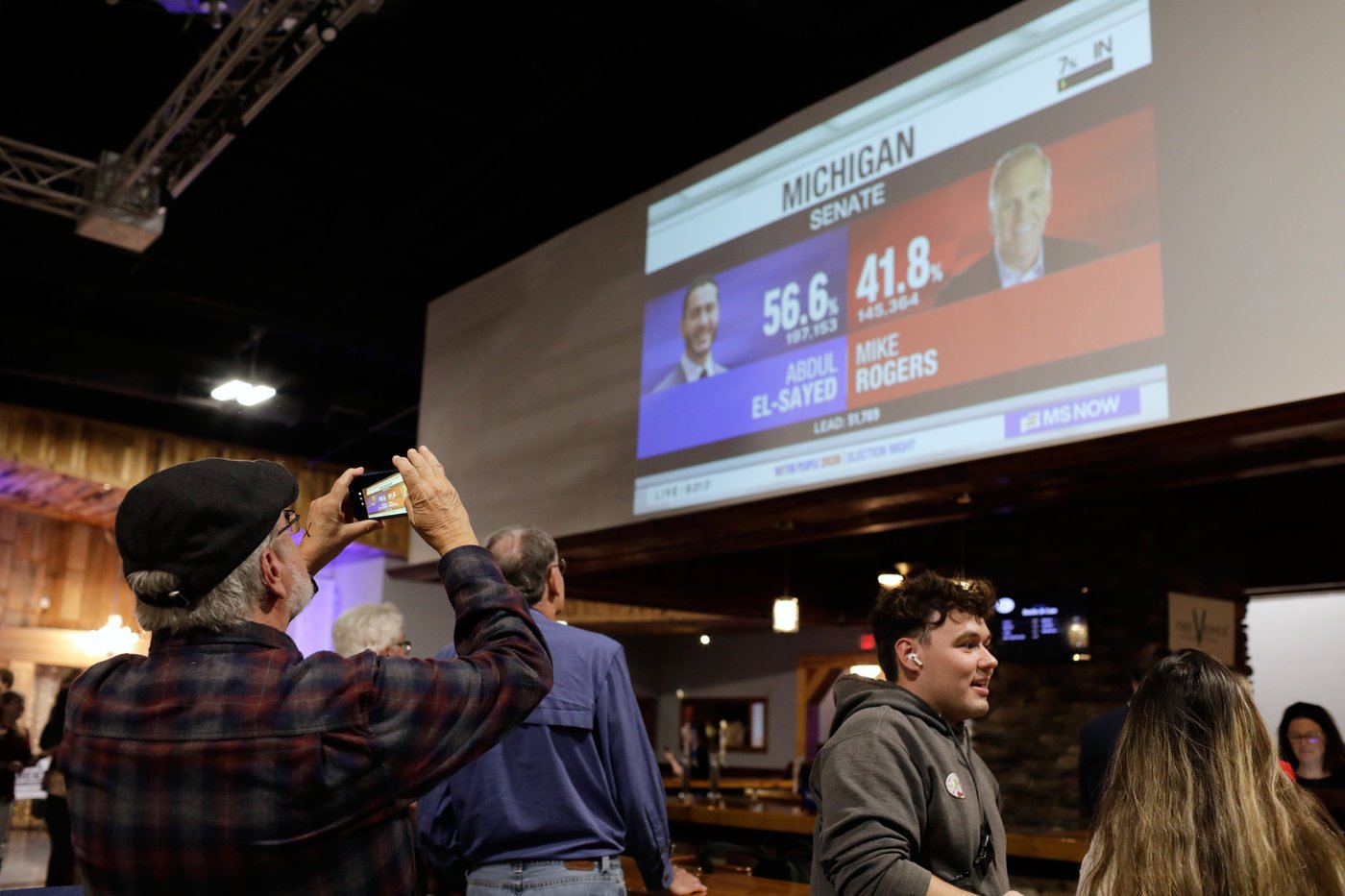
DETROIT — A blue wave showed signs of cresting in the United States on Tuesday as Democrats flipped key seats in the midterm elections, serving as a referendum on President Donald Trump’s chaotic and controversial second term.
Democrats picked up six key House seats and held on to several battleground districts, marching closer to the majority needed for control of the chamber.
Control of the Senate, however, remained unclear late Tuesday. The outcome of border state races — where voters have soured on Trump’s trade war with Canada — could decide which party holds that chamber.
“I wasn’t on the Ballot and if I was, we would have won IN A LANDSLIDE!” Trump posted on social media just before 11 p.m. ET.
If Democrats take control of Congress, it would mark a major blow to Trump and his unprecedented use of executive power over the rest of his time in office.
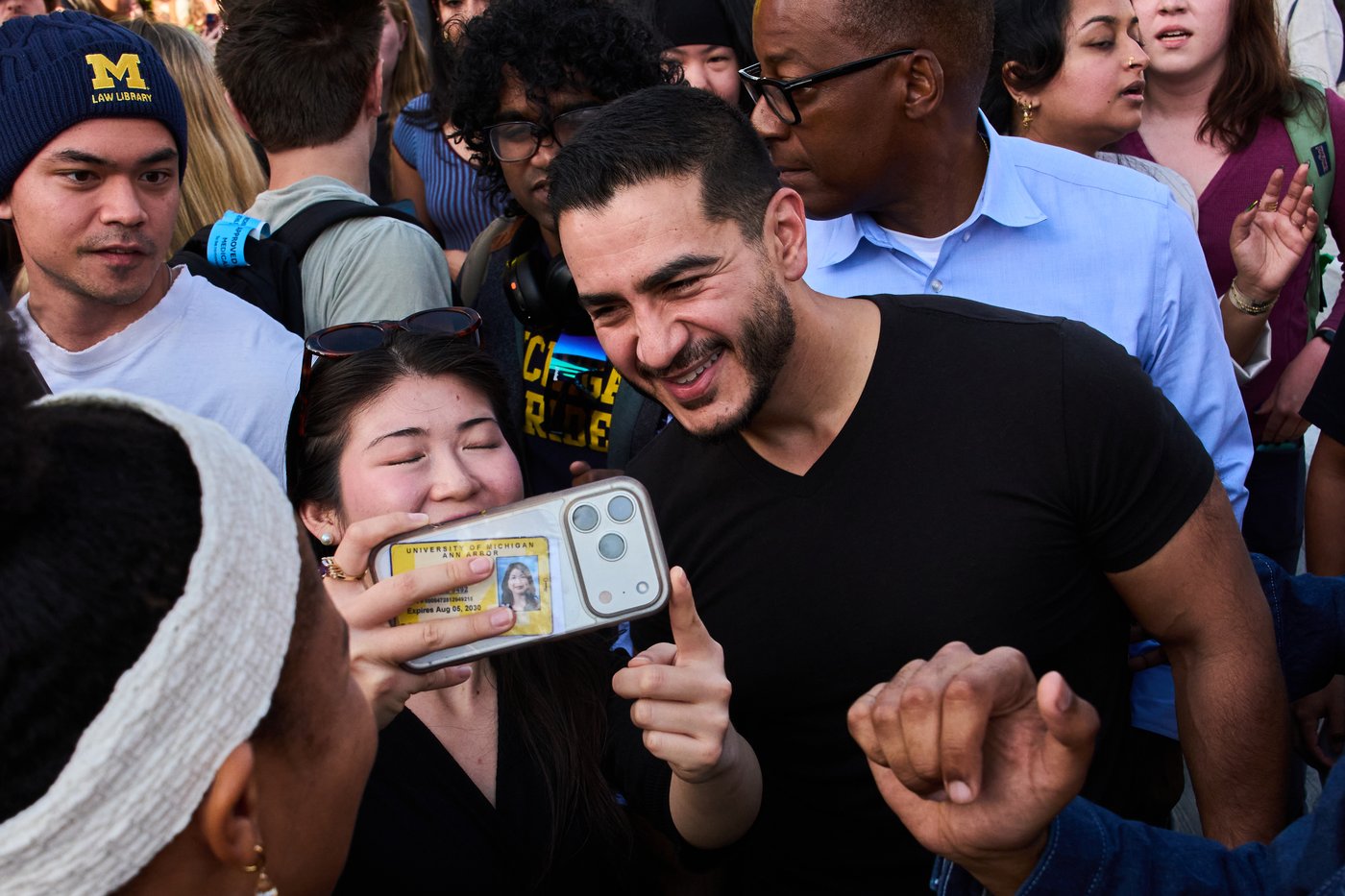
Republicans have been on defence throughout the turbulent midterm campaign season, with polls showing Trump’s approval plummeting due to rising gas and diesel prices, high inflation and the unpopular war with Iran.
Trump’s closing arguments Monday were unlikely to shore up enthusiasm.
He defended his administration’s policies and claimed his second term had seen the “best” economy ever, despite widespread voter disapproval of his handling of pocketbook issues.
Democrats have faced controversies of their own, including a shocking eleventh-hour party fracture in a tight Michigan Senate race. Democrat candidate Abdul El-Sayed’s former opponent in the U.S. Senate primary, Haley Stevens, stunned party officials Sunday by endorsing Republican candidate Mike Rogers.
Alan Latham, a 44-year-old attorney and lifelong Michigander, said he worried about affordability but was more motivated to back a candidate who promised progress over polarization.
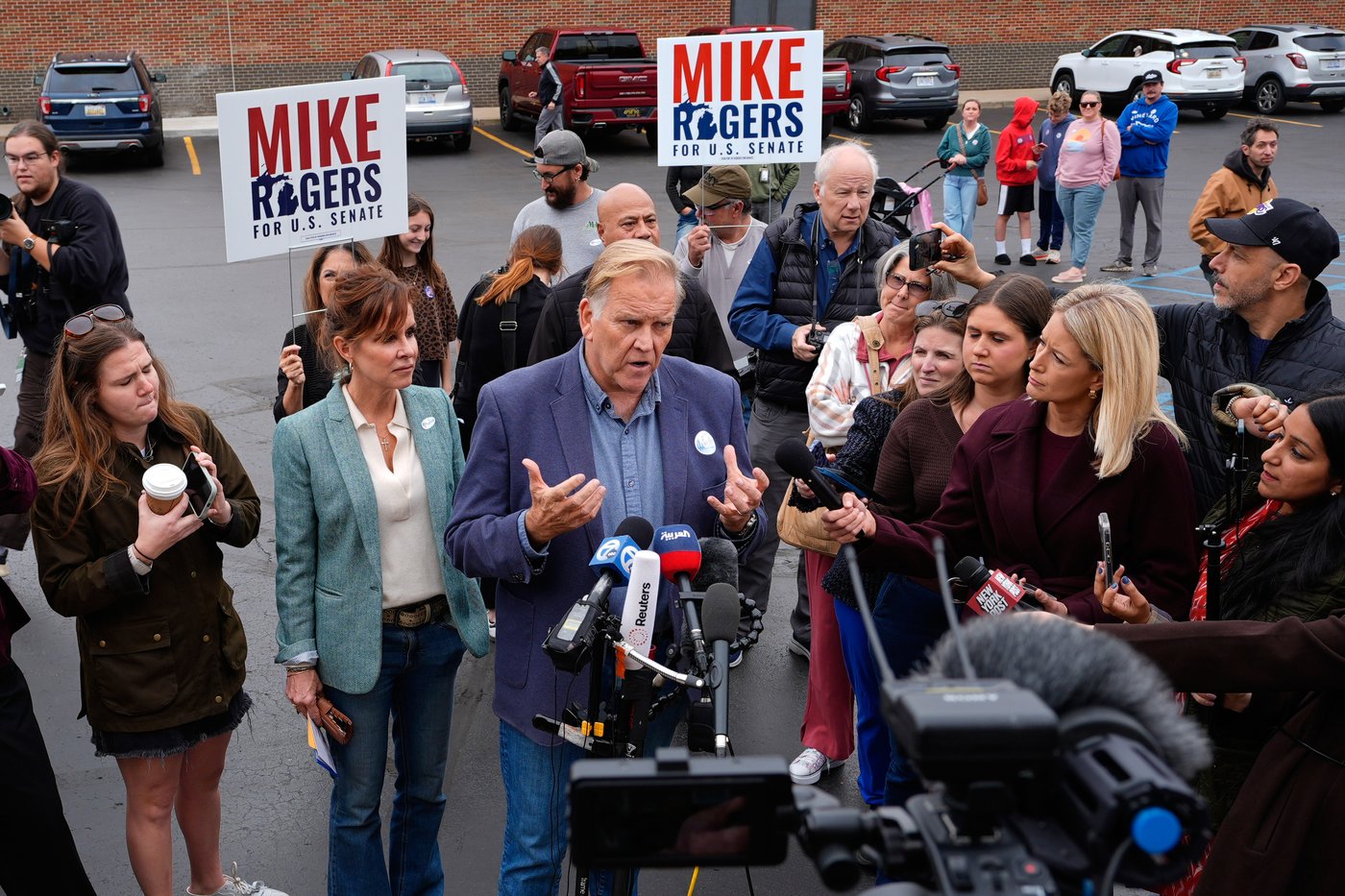
“For me the candidate that’s going to push us forward in a positive direction as a country, as a people, unify us, is what really brought me out to the polls and what really is important to me as a voter and as a citizen,” Latham said after casting a ballot in White Lake for El-Sayed.
At the same polling station, Mark Pospisil, 43, said he’s pretty neutral on political issues. Pospisil said he voted for Rogers because the Republican would “honour and fear God and be best to implement good laws for our community.”
As counts slowly came in late Tuesday, Rogers and El-Sayed’s chances remained close.
At a Republican event in Detroit, people cheered as results favouring GOP candidates elsewhere in the United States came across large screens.
Rogers’ wife Kristi addressed the room just before 10 p.m., telling supporters to “stick with us.”
“It’s going to be good,” she said.
Some spectators whispered concerns when Democrat Roy Cooper won North Carolina’s Senate race and Democratic Sen. Jon Ossoff was re-elected in Georgia.
To control the Senate, Democrats likely needed to also win seats in places such as Maine and Alaska, where Trump’s unpopular trade war with Canada has been a ballot box issue.

Trump recently made changes to 50 per cent tariffs on an array of Canadian goods to offer a reprieve to industries hit hard in Maine, a border state where longtime Republican Sen. Susan Collins faced a tough contest.
Mary Monroe, after casting her ballot in Bangor, said while it’s important to be friendly with your neighbours, “I don’t think the United States should be taken advantage of.”
At the same polling station, Tyler Levesque said: “Canada is our partner.”
“It’s not fair to us as Mainers, as a community, to suffer because of failed economic policy,” Levesque said.
While the trade war with Canada may not have been the top issue on voters’ minds in border states, the cost of living seemed to drive voting intentions.
Many Americans were angered by Trump’s policies, which have driven up costs at gas stations and grocery stores.
Trump returned to the White House after promising to boost the economy, reduce inflation and keep the United States out of foreign wars. He made gains among young men, the Hispanic community and Black men based on those pledges.
Halfway through his second term, many of those same voters said they feel duped.
Dylan Raford supported Trump in 2024 — though he was too young to vote at the time — and hyped up the president to family and friends. The 19-year-old from South Carolina described himself as a business owner, entrepreneur and “big free market type of guy.”
Raford said he now feels betrayed.
“I did like Trump. I did. As a Black person, I got so much hate for it,” Raford said.
“He made me a fool. He made all those people right.”
Like many voters who turned out for Trump in 2024, Raford said he had no party affiliation. He said he was voting Democrat because he wanted Trump to face restraints.
Democrat Annie Andrews flipped Lindsey Graham’s old seat in the historically red South Carolina Senate race.
It was a sharp rebuke of Trump’s hand-picked candidate, Darline Graham Nordone, who was criticized for her lack of experience and multiple fumbles on the campaign trail as she sought to take her late brother’s seat.
This report by The Canadian Press was first published Nov. 3, 2026.
— With files from Eli Ridder in Bangor and The Associated Press
News from © The Canadian Press, . All rights reserved.
This material may not be published, broadcast, rewritten or redistributed.

This site is protected by reCAPTCHA and the Google Privacy Policy and Terms of Service apply.
Want to share your thoughts, add context, or connect with others in your community?
You must be logged in to post a comment.