Elevate your local knowledge
Sign up for the iNFOnews newsletter today!
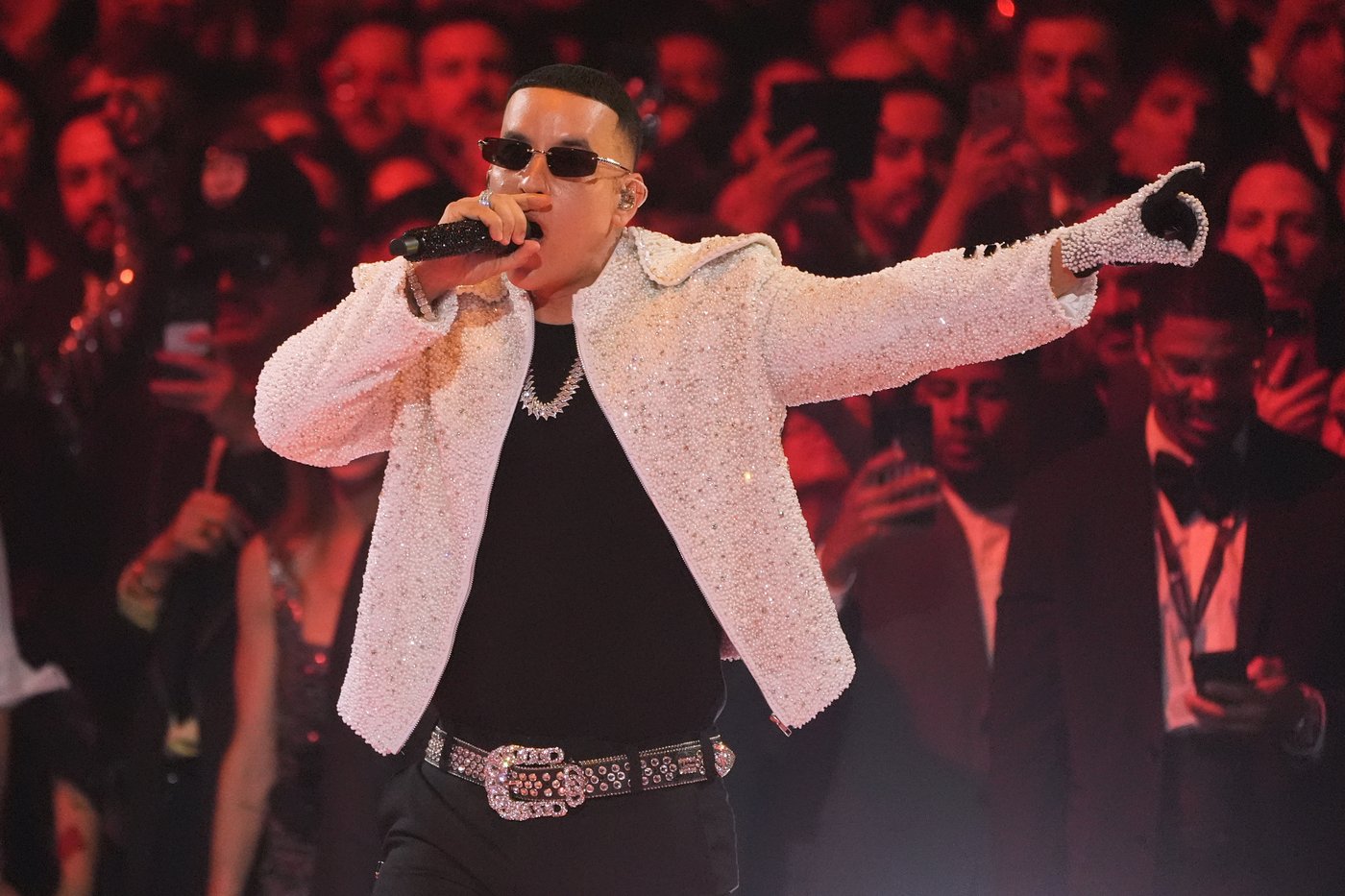
They call him the “King of Reggaeton” for a reason. Daddy Yankee, the 2026 Latin Grammy Awards’ person of the year and first Latin urbano artist to receive the honor, ripped through his biggest hits an hour into Thursday’s award show, treating the stage like a stadium floor.
It was one for the history books: There were outfit changes, set changes and his native Puerto Rico always at the forefront as he ran through “Ella Me Levantó,” “Con Calma,” “BOTZ,” “Despacito,” “Lo Que Pasó, Pasó,” “Sonríele,” “Rompe,” “Pokito” and, of course, “Gasolina” — joined by Bizarrap, Bad Gyal, Feid, Jay Wheeler, French Montana, LL Cool J and Diljit Dosanjh.
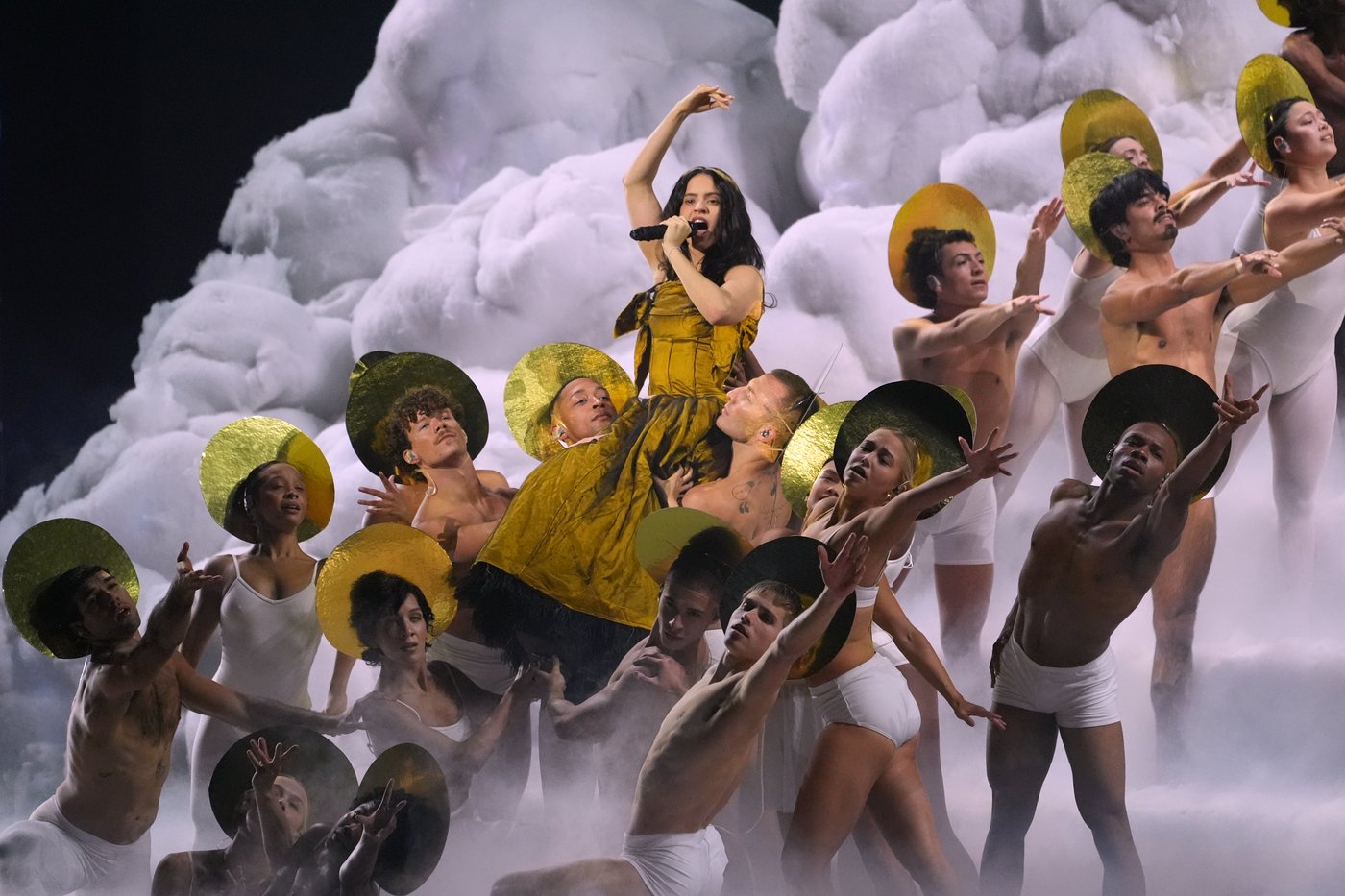
The bar had been raised from the jump. Rosalía opened the 27th annual Latin Grammy Awards, live from Sin City, with an emotive medley of her “Lux” tracks “La Rumba Del Perdón,” “La Perla” and “Dios Es Un Stalker,” joined by angelic dancers ornamented with halos atop a stage meant to look like heavenly clouds.
It was a reminder of the expansiveness of her album: an offbeat, full-hearted embrace of her classical training through huge orchestral movements, inspired by the lives of female saints. Clearly, competition for the remainder of the night will be stiff.
The first award of the night was given out shortly thereafter: Pablo Alboran and Backstreet Boys’ Howie D presented Juanes with best pop/rock album for “Juanesteban.”
The award show is taking place live from Las Vegas’ MGM Grand Garden Arena. It’s being aired live on Univision, UniMás, Galavisión and ViX and hosted by actor, producer and musician Roselyn Sánchez.
Star-studded performances and awards

Performances were at a high level: Karol G was joined by a full orchestra and 12 Mariachis for her música mexicana ballad “Ese Hombre es Malo.” Mon Laferte broke hearts with her soulful “Femme Fatale.” Silvana Estrada’s “Dime” bridged culture and heritage with her signature Venezuelan cuatro, a four-stringed instrument similar in structure to a ukulele. Kany García stunned with her acoustic, aflamencado single “La Niña Que Fui.” The Uruguayan-born Jorge Drexler’s rendition of “Las Palabras” felt like theater.
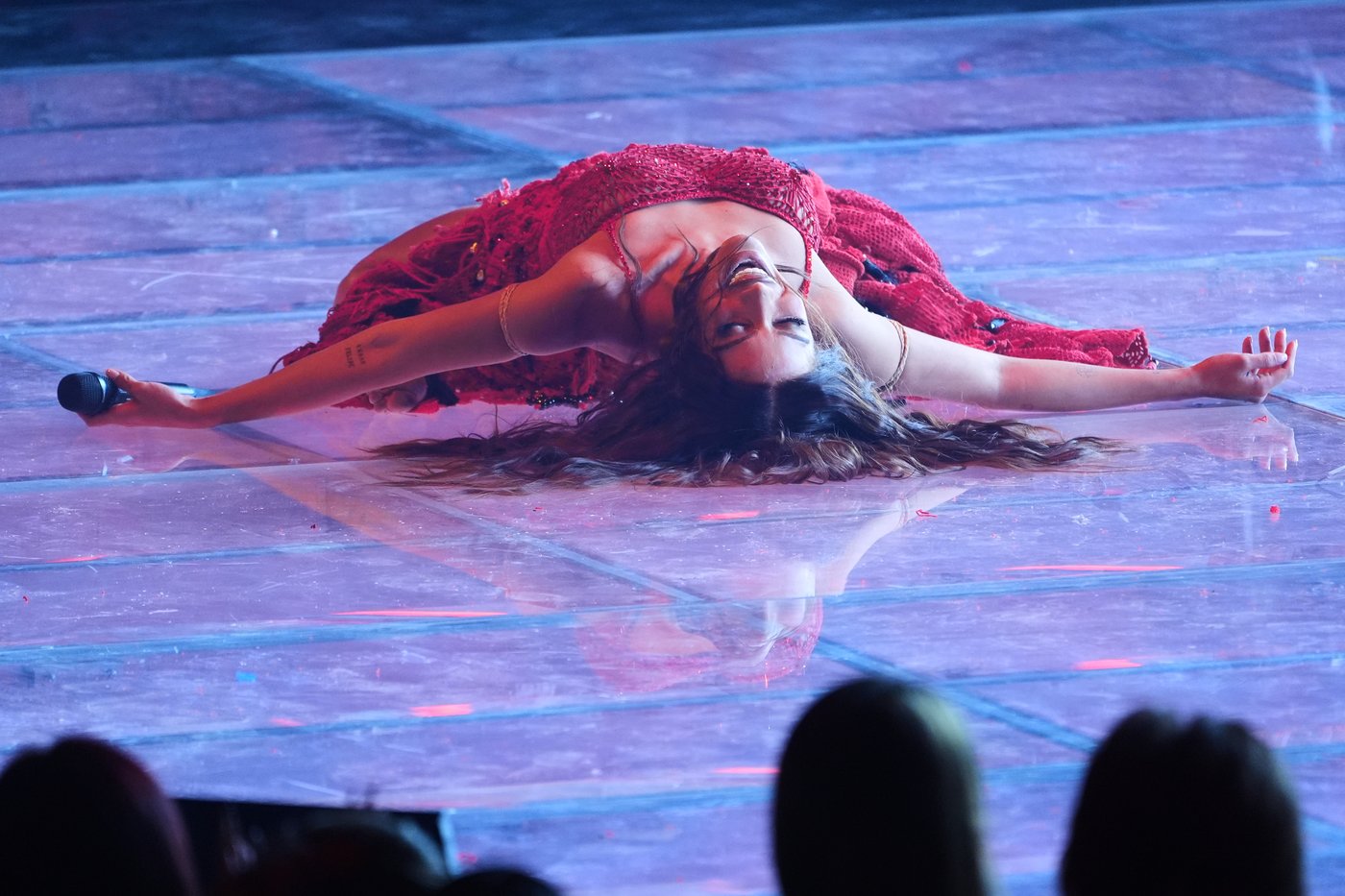
Brazilian superstar Anitta did a medley of her “Equilibrium” hits — “Desgraça,” “Choka Choka” and “Meia Noite” among them — an eclectic mix of Brazilian funk, samba, bossa nova, semba, reggae, electronic pop performed in Portuguese, Spanish and English.
Awards were handed out quickly, too. Xavi won contemporary Mexican album for “Dosis,” his first Latin Grammy. Fonseca was presented the trophy for contemporary tropical album shortly thereafter for his album, “Antes Que El Tiempo Se Vaya.”
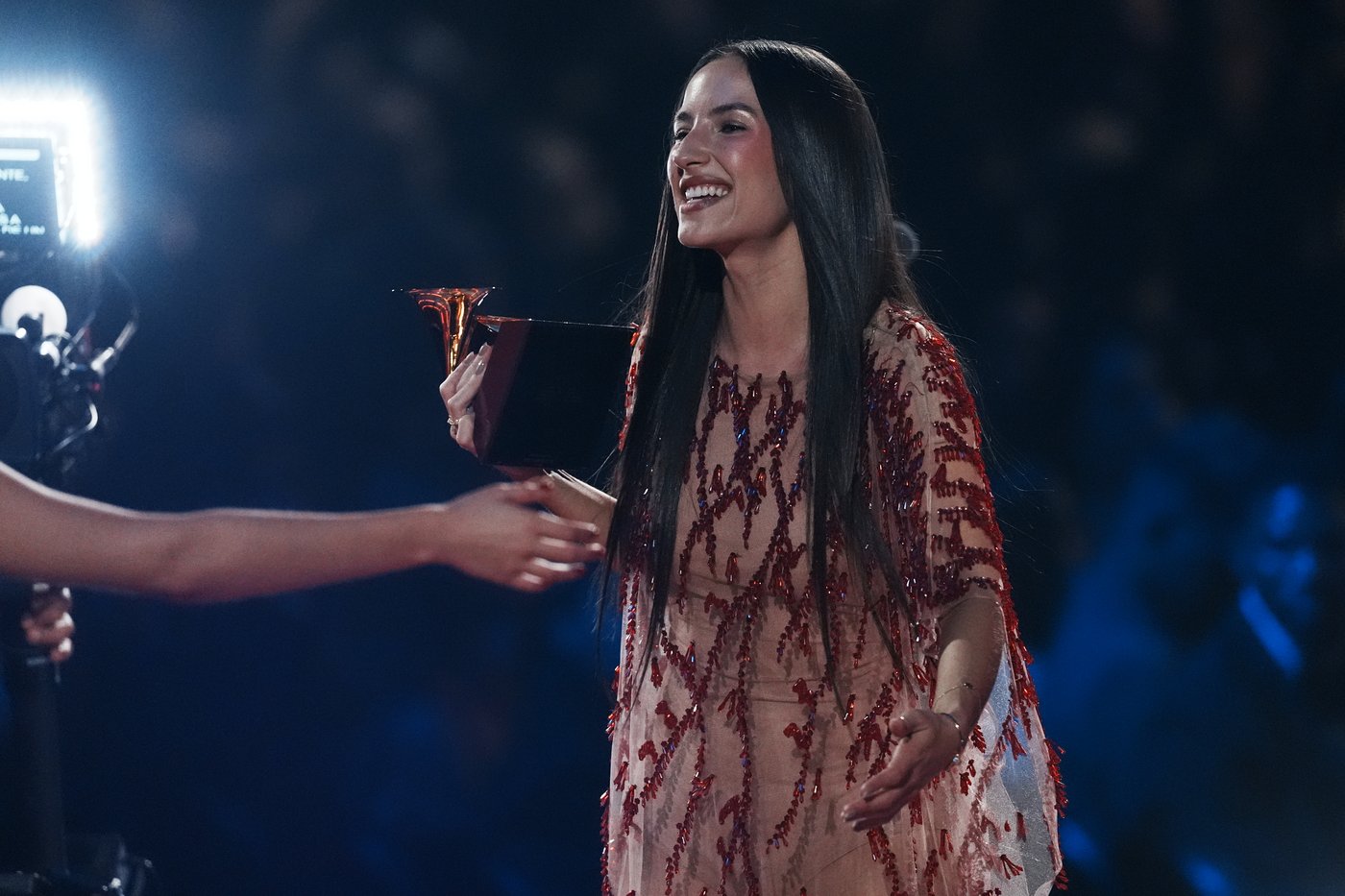
Best new artist went to Colombian singer Aria Vega, who gave her acceptance speech through tears. This year, the Latin Recording Academy made changes to the category so that only artists with fewer than three albums or 25 singles released were eligible to win.
And during a pre-televised ceremony just ahead of the Latin Grammys broadcast, Bobby Pulido won the Latin Grammy for best Tejano album for his release “Bobby Pulido & Friends: Una Tuya y Una Mía (Vol. 2/En Vivo)” — just days after making history in the U.S. midterm elections by securing a seat in the House of Representatives for the Democrats by flipping Texas’ District 15.
“I want to tell you that I’m retiring from music, and I’m leaving with so much gratitude,” he said in his acceptance speech.
News from © The Associated Press, . All rights reserved.
This material may not be published, broadcast, rewritten or redistributed.

This site is protected by reCAPTCHA and the Google Privacy Policy and Terms of Service apply.
Want to share your thoughts, add context, or connect with others in your community?
You must be logged in to post a comment.