Elevate your local knowledge
Sign up for the iNFOnews newsletter today!
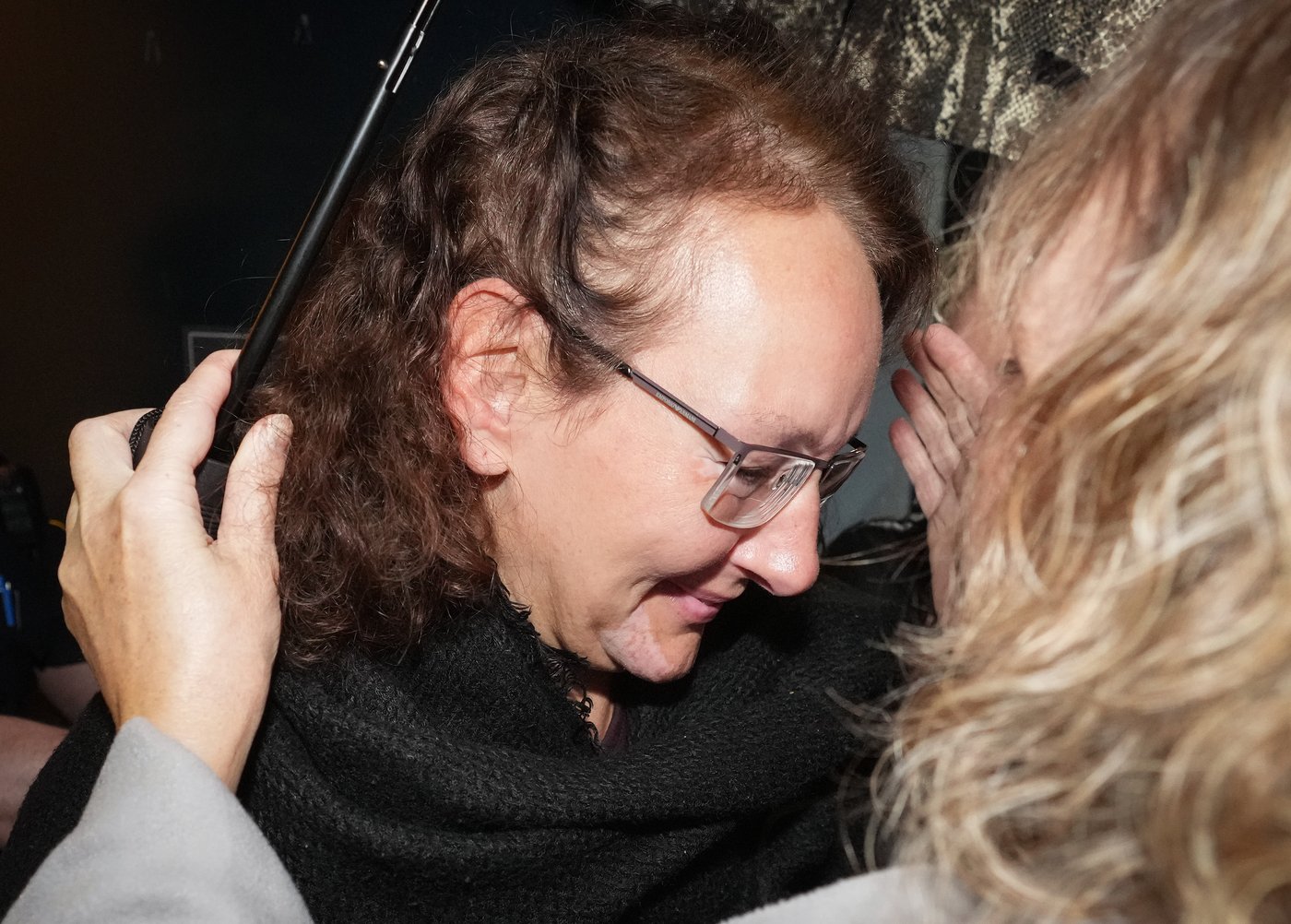
VANCOUVER — In 2015, Kimberly Polman was unemployed and living in low-income housing in British Columbia when she made a life-changing decision — she would move to war-torn Syria and join her husband in the Islamic State terrorist organization.
It was, she said later, a “terrible mistake.”
Polman’s story — her regrets, the circumstances of her fateful decision, and her fear of retribution from the terror group — are laid out in their most complete form in a statement of facts in her terrorism case.
The signed statement includes a handwritten two-page letter from Polman composed in the Roj refugee camp in Syria after her capture by U.S.-backed forces, as well as two pages of her handwritten notes.
It was obtained by The Canadian Press after Polman pleaded guilty last month to leaving Canada to participate in activities of a terrorist group.
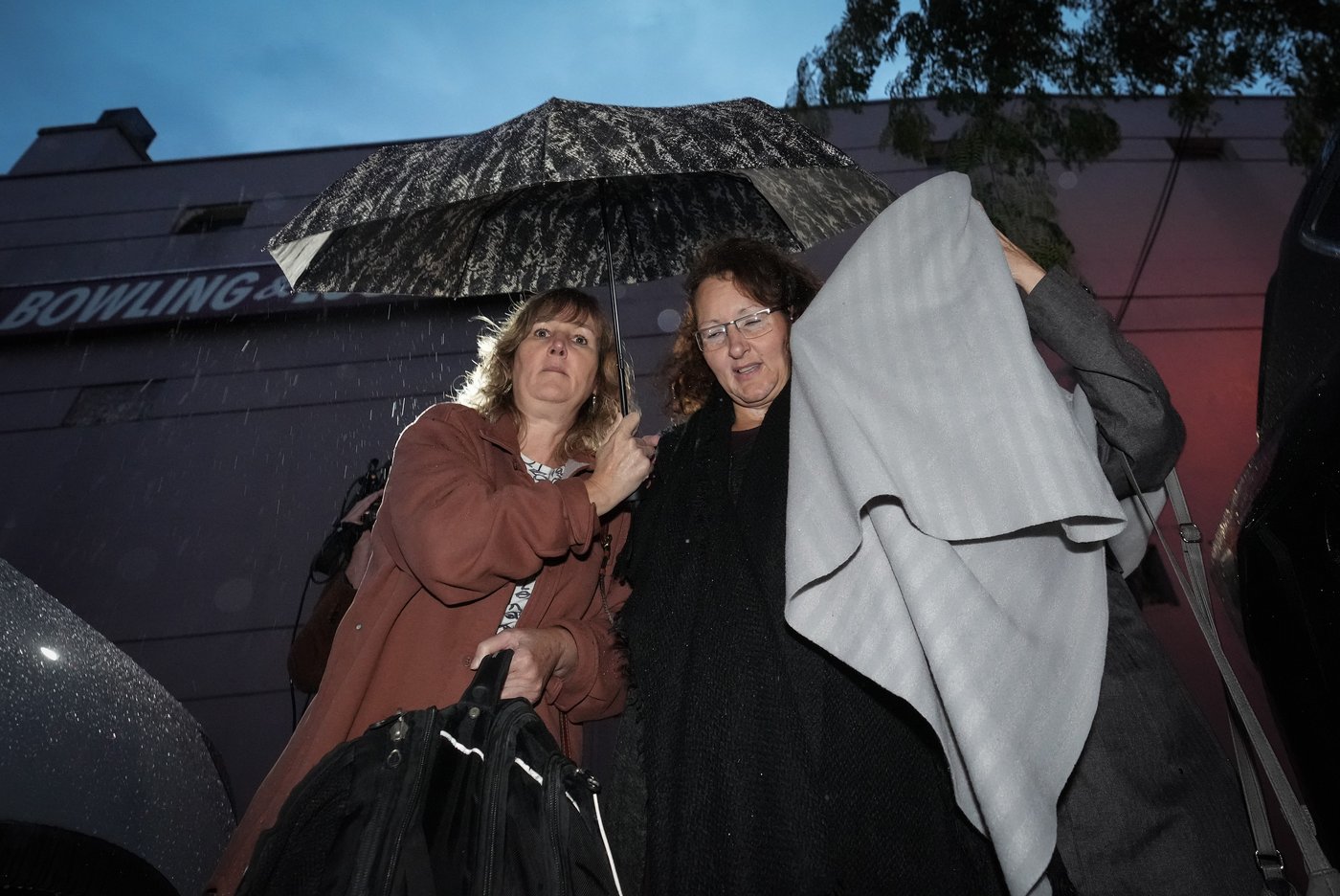
She has not been sentenced.
Polman said in her letter, in which she begged to be allowed to return to Canada, that she “came to ISIS believing I could help women and children” as a nurse.
It was a mistake, “which I regret constantly and will for the rest of my life,” she wrote in the letter, dated April 3, 2019.
“Immediately I was thrown into a world of intense fear, unable to leave. My desire to help turned into my own need for help.”
The statement of facts does not explain how authorities obtained the letter, which Polman starts by saying “Dear Canadians.”
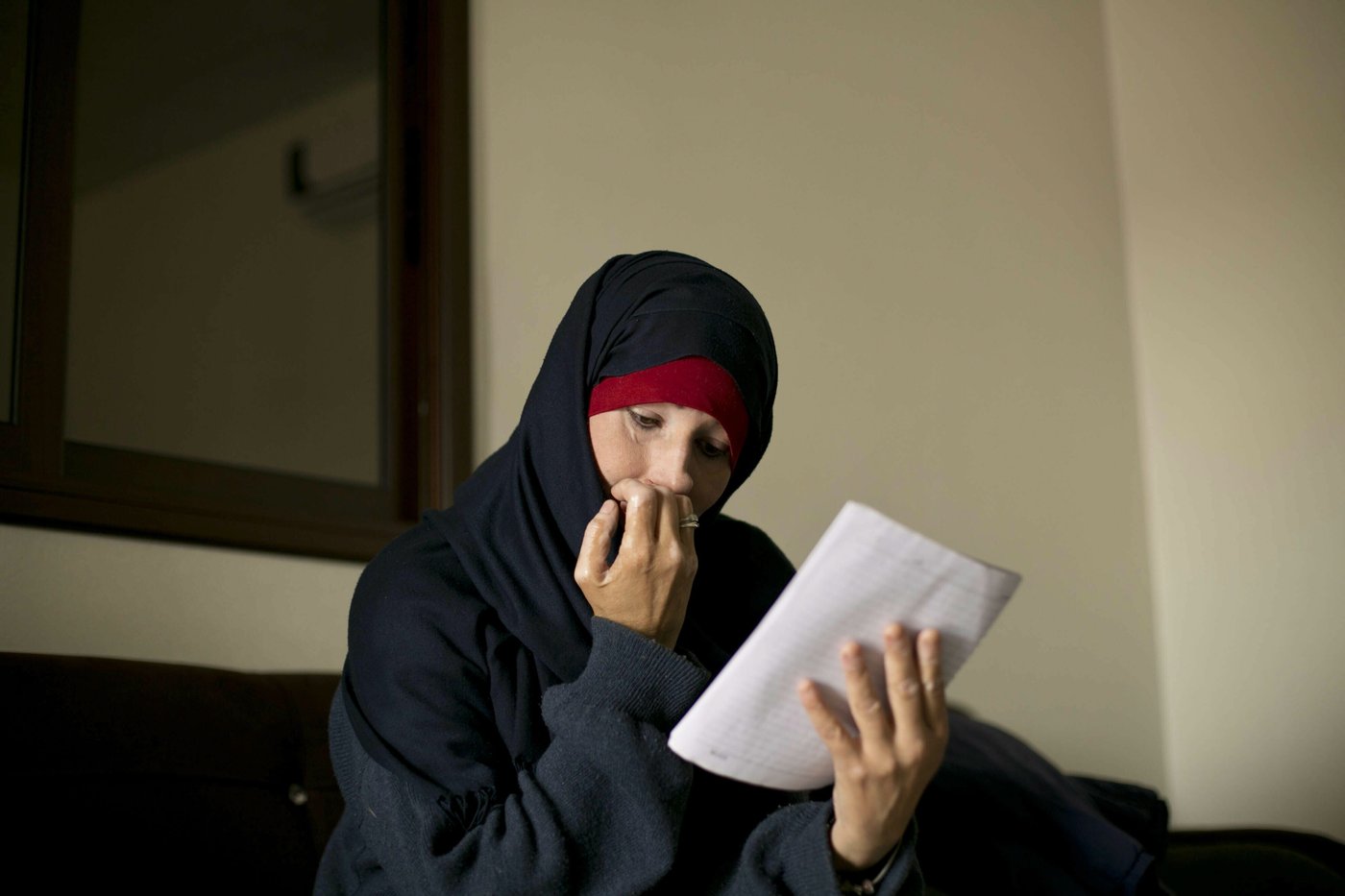
But her situation had been highlighted by media reports and interviews she gave in the camp.
In the letter, she asserted she was not a threat and had no history of violence. She said she needed to return to Canada for protection, saying she had “spoken out against ISIS.”
“I’m a traitor to them, someone who has betrayed Islam and must be killed, also because I left — something I had been trying to do for 3.5 years.”
Polman, who had converted to Islam in 2003, asked Canadians to “put away the paintbrush that has the world viewing every woman who was within ISIS the same.”
“We’re not,” she said. “Under ISIS I held openly to my understanding of Islam, which often contradicted theirs. I would come to know imprisonment, torture, rape and sometimes I lost hope that I’d ever get out alive. Bombings, dronings (sic), disease, famine, death were my daily life.”
She said she was “an innocent woman” who simply wanted to “help those in need.”
“The truth is I ended up with bad people, finally escaped and now need to return home, to Canada. Please, I survived ISIS. Now I want to live as I am — a Canadian.”
But the statement of facts paints a more nuanced story.
Polman, it said, had converted to Islam in 2003. About a decade later, she began researching Islamic extremist ideology and began communicating with people who held those beliefs.
In 2014, she met a Kenyan man of Somali descent named Suhayb Muhammad Adan and “entered into a marriage” with him that summer.
They continued corresponding online and by July 2015, she had formulated a plan to “leave Canada and emigrate to Syria to join her husband and the Islamic State,” the document said.
It said data obtained from her computer revealed she was aware the Islamic State was a terrorist entity at the time, that Syria was an active war zone and that she could be arrested for attempting to leave Canada to join the group.
She was also aware Adan was an ISIS fighter.
In July 2015, Polman, a dual Canadian-U. S. citizen with two adult children in Canada, went to a Flight Centre in Surrey, B.C., and booked return flights to Vienna, Austria.
From there she continued to Turkey to meet Adan.
She would never use the return tickets.

FROM ‘SAFE HOUSES’ TO SYRIA
The statement offers insights into the mindset of Polman, who had a learning disability, including her goal of gaining work experience with ISIS that she hoped could help her pursue a career in nursing.
While in Austria, she stayed with a longtime friend, an American lawyer based in Vienna.
She told him she had married a Somali man living in Syria and she was going to Turkey to join him, and she “wanted to become a nurse in Syria to help women and children there.”
They discussed how she had struggled to achieve her nursing aspirations in Canada because of a disability. “(She) felt she would be able to obtain experience in Syria that simply would not be available to her in Canada.”
Her friend had attempted to dissuade her and suggested a divorce, but she told him she planned to leave after obtaining nursing experience. She also said she planned to take her husband to a “deradicalization camp” in Denmark.
Polman travelled to Turkey on July 25, 2015, before making her way toward the Syrian border, staying in Islamic State “safe houses” before the group smuggled her across into Syria.
“By August, Ms. Polman had arrived in (Islamic State) controlled territory in Syria. Upon arrival in Syria, Ms. Polman forfeited her U.S. passport to (the Islamic State),” the document said.
She would remain in Syria for about seven years.
Adan divorced her in January 2016 — within about six months of her arrival — before Polman went on to work in the Islamic State hospital in Raqqa, Syria, caring for infants and children until February.
Her time as a single woman did not last long. In October 2016 she married a Trinidadian Islamic State member named Safraz Ali, who “produced explosives and IEDs” for the group.
They would not remain in Raqqa for long — U.S.-backed forces declared the city’s liberation in October 2017, and the couple moved together to different towns in Syria as the group lost territory.
Polman was with Ali until she was captured by coalition forces on Jan. 27, 2019, just outside of the Baghouz, the last ISIS stronghold in Syria.
Polman would remain in Syrian detention camps for almost four years. Less than three months after her capture, she wrote her “Dear Canadians” letter.
Global Affairs Canada agreed to repatriate Polman in October 2022, and she arrived in Montreal later that month, where she was arrested.
She was not the only Canadian woman arrested after marrying an ISIS fighter and going to Syria.
They have included Oumaima Chouay, who returned to Canada at the same time as Polman, and pleaded guilty in July 2025 to one count of participating in the activities of a terrorist group. The Quebec woman received a one-day custodial sentence, in addition to her time in pretrial custody, as well as three-year probation order.
Chouay was also ordered to undergo “depolarization therapy.”
Polman’s trial had been scheduled to begin on Nov. 9, but the dates were vacated after she pleaded guilty in October.
A spokeswoman for the Public Prosecution Service of Canada said in an email Friday that dates for Polman’s sentencing hearing had not yet been scheduled, but she is set to appear in court next week.
In her letter, Polman distances herself from the Islamic State.
She depicted her capture in Baghouz as a dramatic escape, with Islamic State fighters firing on her, an orphan baby girl in her arms.
She did not want the Canadian way of life, “to ever be poisoned by ISIS,” she wrote.
“The truth is I’m an innocent woman, a Canadian with a heart for children and a desire to help those in need,” Polman wrote.
This report by The Canadian Press was first published Nov. 14, 2026.
News from © The Canadian Press, . All rights reserved.
This material may not be published, broadcast, rewritten or redistributed.

This site is protected by reCAPTCHA and the Google Privacy Policy and Terms of Service apply.
Want to share your thoughts, add context, or connect with others in your community?
You must be logged in to post a comment.