Elevate your local knowledge
Sign up for the iNFOnews newsletter today!
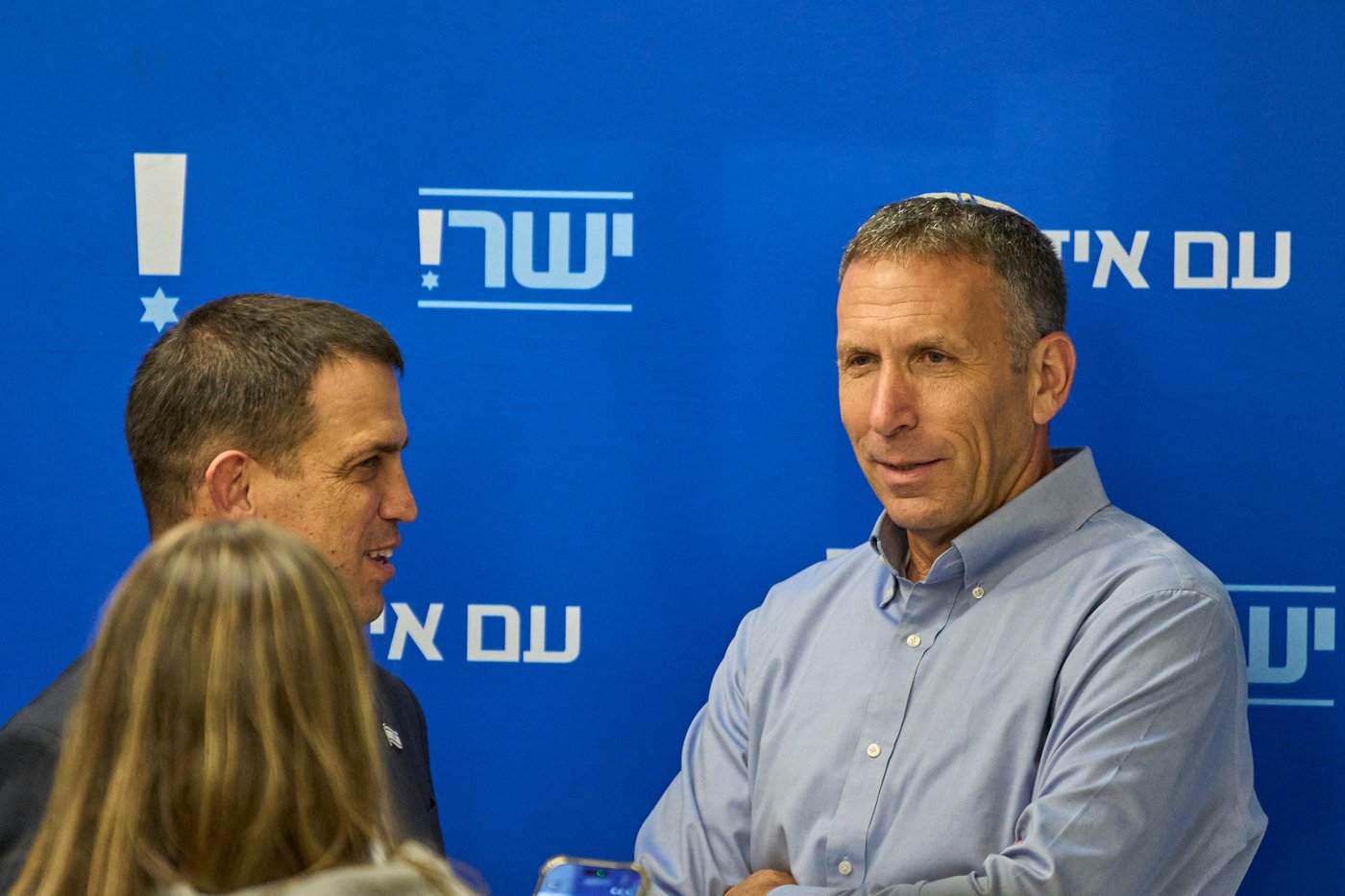
JERUSALEM (AP) — The Israeli parliament elected a new speaker on Tuesday, a key step toward rolling back policies passed by the outgoing government led by Prime Minister Benjamin Netanyahu.
The newly-elected speaker is Matan Kahana, an ally of Gadi Eisenkot, the party leader currently working to form the next government and replace Netanyahu. Eisenkot’s bloc has pledged to undo some of Netanyahu’s most contentious policies following Kahana’s election.
He was approved as speaker with 66 votes in the 120-member chamber, backed by the Jewish-led opposition parties and by the Arab-led parties. The candidate backed by Netanyahu’s bloc, Ofir Katz, received 52 votes following a stormy debate that stretched some seven hours.
In his first comments as speaker, Kahana struck a conciliatory note. “It is possible to be divided and hold opposing positions, yet still respect the institutions of the state and, above all, respect those who think differently,” he said. “The Knesset of Israel is the home of all the citizens of the state of Israel, and I intend to be the speaker of everyone.”
The vote took place weeks after Oct. 27 parliamentary elections in which Netanyahu and his allies lost their parliamentary majority. Eisenkot was subsequently given the task by Israel’s president to try to form a new coalition government.
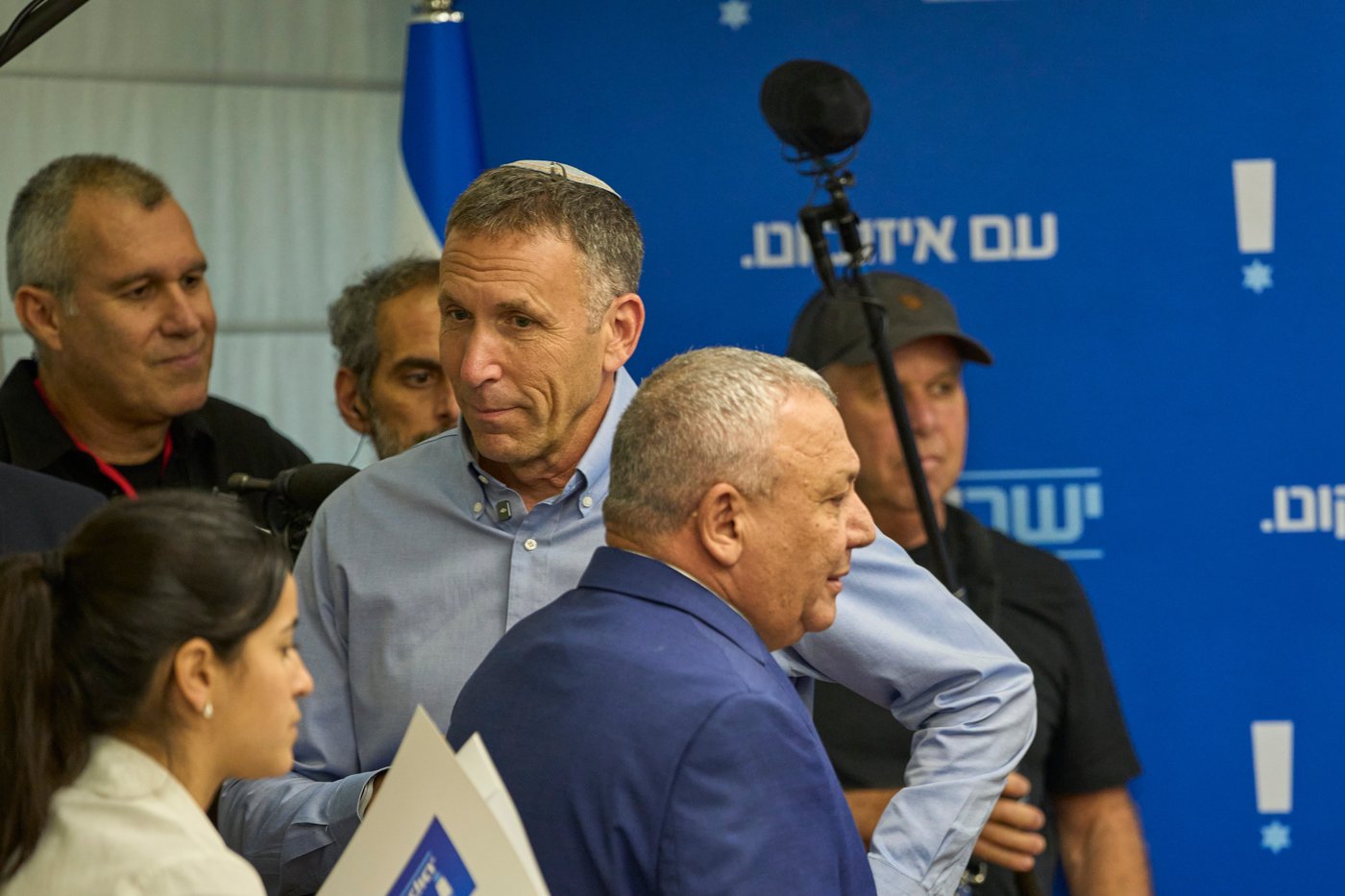
“The appointment of Matan Kahana as Knesset speaker is a worthy democratic move that reflects the absolute majority in favor of change,” Eisenkot said ahead of Tuesday’s vote.
Eisenkot has up to five more weeks to secure enough alliances to form a coalition. As negotiations continue on the sidelines, his bloc, along with the Arab-led parties, can use their majority in the newly-sworn in Knesset to advance their legislative agenda. They introduced several bills last week, including to set term limits on the role of prime minister, to form a government-led inquiry into the Hamas-led Oct. 7, 2023, attacks and to reverse laws to limit the powers of the judiciary.
The speaker helps set the agenda
Kahana gives the opposition bloc a major legislative advantage, according to Assaf Shapira with the Israel Democracy Institute, a Jerusalem think tank.
“It’s important because there is not much time, because the speaker of the Knesset can make the legislative process much, much faster or much slower,” Shapira said.
Kahana replaced Amir Ohana, a Netanyahu ally, as speaker.
Eisenkot and his allies are under pressure to swiftly advance their legislative priorities in the weeks ahead. Currently a member of Eisenkot’s Yashar party, Roy Folkman, heads the temporary committee that decides much of the Knesset’s work until a government is formed.

If Eisenkot fails to form a government, the Israeli president could give Netanyahu an opportunity to do so. That would likely give Netanyahu’s Likud party control of the committee.
Even though Netanyahu’s opponents would still hold a majority, they would “feel that their momentum has gone,” Shapira said, and there would be a “real danger that some of the legislation will be delayed.”
Time is limited to pass legislation
Chamber procedures will pose a further challenge. A bill has to be introduced on the floor, considered in committee, and voted on several times on the floor before it passes the Knesset. That winding process could make it hard to move bills across the finish line before time runs out.
Shapira said Eisenkot and his allies are likely to prioritize rolling back controversial laws that gave the government a larger role in appointing judges and weakened the power of Israel’s attorney general, an independent role that is seen by many as central to Israel’s system of government checks and balances. “It’s very easy to abolish these laws because no new institution has to be created,” he said.
Establishing a body to investigate the Oct. 7 attack would be easier, Shapira added, and carry greater legitimacy once a government is formed. Netanyahu’s opponents argue he has blocked an independent probe into any military or intelligence failures around the day, the deadliest in Israel’s history, and evaded accountability.
The scars of Oct. 7 were on display in the chamber on Tuesday. Hours into the debate, Talik Gvili, a Likud member whose son was a police officer killed by Palestinian militants on Oct. 7, interrupted Ahmad Tibi, a senior member of the Arab Joint List, as he was criticizing far-right Knesset members for racist comments.
“Who killed my son?” Gvili shouted.
“Why are you starting to pin it on me?” Tibi replied. “Don’t ask such a question to an Arab member of the Knesset.”
A shouting match ensued, with Tibi from the dais urging Gvili not to rely on insinuation.
“The one who committed the murder is Hamas. The one responsible is your prime minister,” he said.
News from © The Associated Press, . All rights reserved.
This material may not be published, broadcast, rewritten or redistributed.

This site is protected by reCAPTCHA and the Google Privacy Policy and Terms of Service apply.
Want to share your thoughts, add context, or connect with others in your community?
You must be logged in to post a comment.