Elevate your local knowledge
Sign up for the iNFOnews newsletter today!
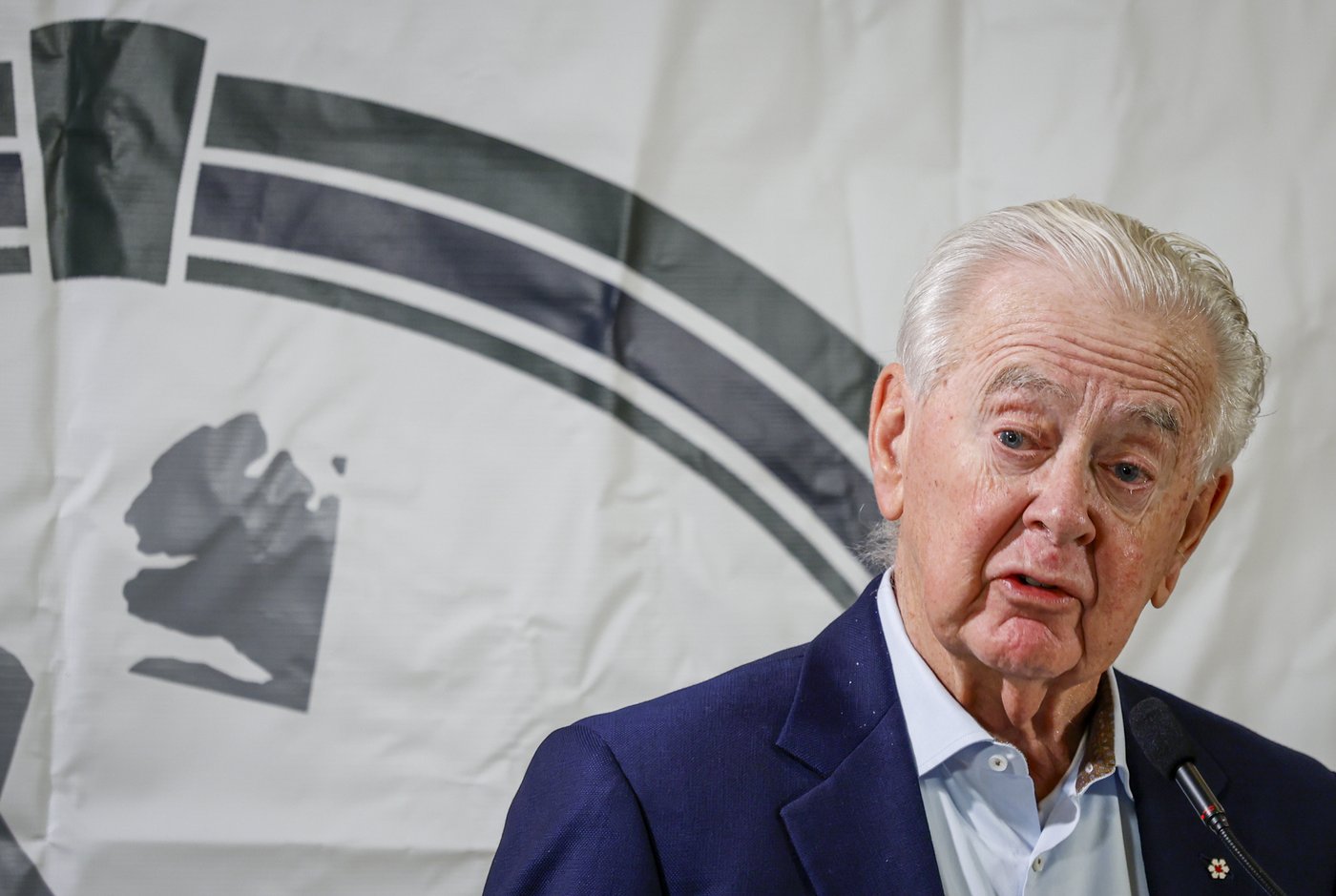
CALGARY — A report examining the future of Western Canada suggests provinces should seek more sovereignty and provincial control rather than consider leaving Canada.
The report stems from a two-day video conference in mid-September with the Alberta and the West Assembly group. The conference came a month before Albertans voted in a provincewide referendum to keep the province in Canada and avoid holding a second, binding vote on separation.
Dozens of delegates looked at how to address the divide between Ottawa and Western Canada. The report says there were tens of thousands of online views of the sessions.
Preston Manning, a conservative elder statesman leading the report, said it makes two important points.
One is “unite the West and leave the rest.” The other is that there can be sovereign provinces within Confederation.
“I actually think one of the biggest problems the current federal government’s got is in this whole area of federal-provincial relations,” Manning said Tuesday in Calgary.
“You’ve got Newfoundland, you’ve got Quebec, you got the western provinces that are alarmed by federal intrusions in areas of provincial responsibility.”
Manning, founder of the Reform Party and former federal Opposition leader, chaired the assembly with former Liberal B.C. premier Gordon Campbell.
The report’s recommendations broadly push for more provincial sovereignty across the four westernmost provinces, particularly in Alberta, and suggest ways provinces can better communicate their demands to Ottawa and the roles each government has in agreements.
It says a large part of that is all working toward the same goal line as a team in a united West.
It also suggests using Quebec as a yardstick to see how willing the federal government is to bend to provincial pushback.

“I think there’s lot that could be imitated with respect to Quebec’s pushing for sovereignty within the federation, but not going so far as the (Parti Québécois) government is now to advocate secession,” Manning told reporters.
The report says it took Alberta’s Oct. 19 referendum question on separation into account. Separatist leaders argued the province was better on its own than having to work with federal leadership.
In one reference, the report suggests Alberta use the 1991 Canada-Quebec Immigration Accord as a template for its own, similar agreement.
There were nine other questions on immigration and the Constitution in the Alberta referendum, and the majority of voters said Alberta should take more control over immigration.
The report encourages a jurisdictional audit to examine federal and provincial authority and where they overlap, as well as consider how Charter and Indigenous rights play into federal and provincial agreements.
It also encourages provinces, especially in the West, to pick up on Alberta’s steps toward sovereignty.
Alberta Premier Danielle Smith has said the province is doing well to address what she called the nine bad laws imposed by the federal government, largely on energy-related rules.
Manning said he plans to ask members of Parliament and the legislatures in B.C., Alberta, Saskatchewan and Manitoba to respond to the report’s recommendations.
British Columbia’s recently elected majority Conservative government is more likely to be on the same page as their conservative counterparts in Alberta and Saskatchewan, Manning added.
“I think it strengthens the possibility for this, ‘unite the West and leave the rest.'”
This report by The Canadian Press was first published Nov. 17, 2026.
News from © The Canadian Press, . All rights reserved.
This material may not be published, broadcast, rewritten or redistributed.

This site is protected by reCAPTCHA and the Google Privacy Policy and Terms of Service apply.
Want to share your thoughts, add context, or connect with others in your community?
You must be logged in to post a comment.