Elevate your local knowledge
Sign up for the iNFOnews newsletter today!
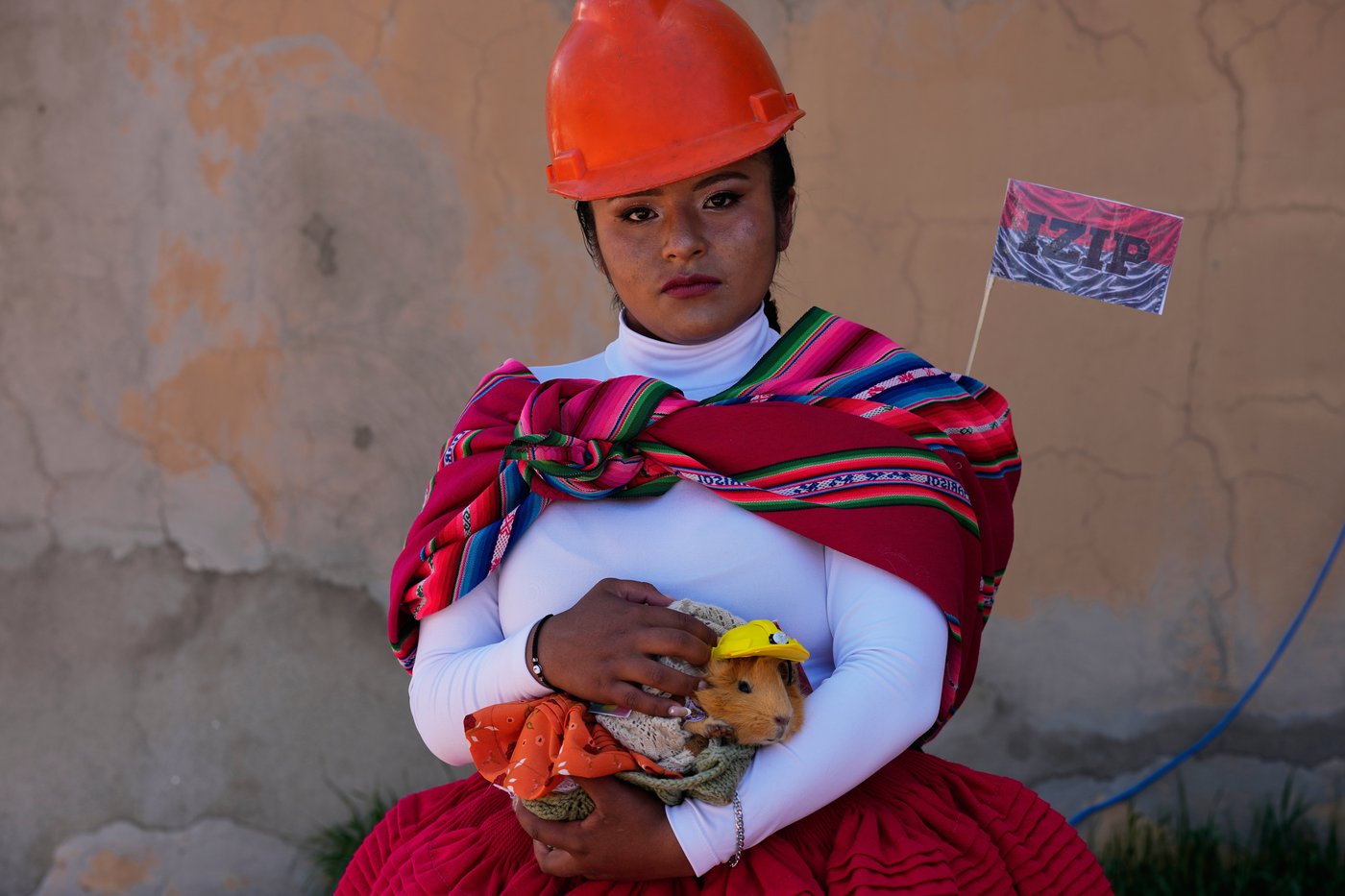
EL ALTO, Bolivia (AP) — Guinea pigs, known as cuy in the Andes region, enjoyed a day in their honor Friday in Bolivia with races and beauty and weight contests organized by students promoting the rodent’s nutritional and economic value to Bolivian households.
Domesticated thousands of years ago in the Bolivian Andes, the cuy was considered sacred by ancient cultures and was used in ceremonies and as a food source. But raising them has nearly disappeared in recent decades as other meats have gained favor.
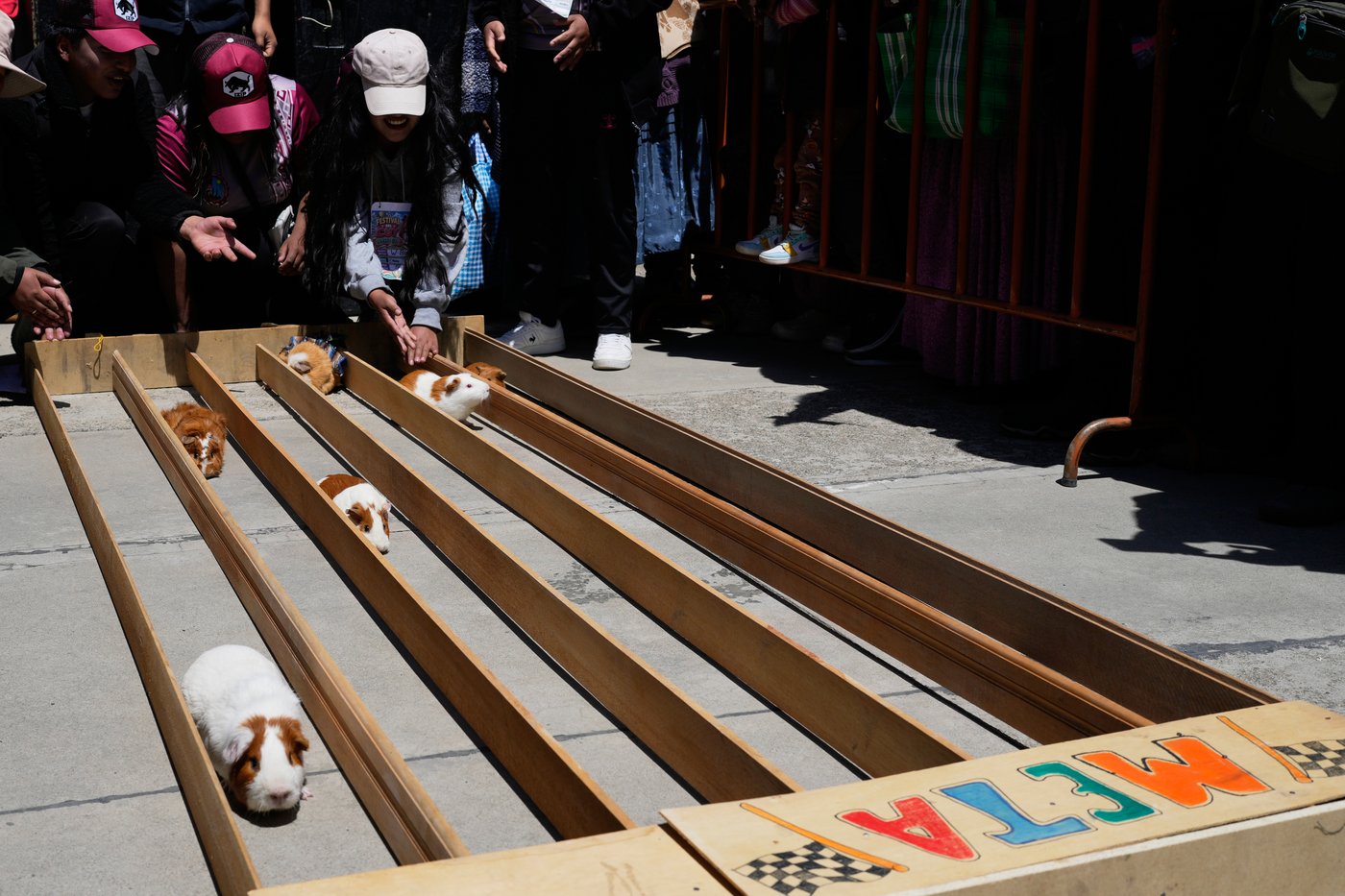
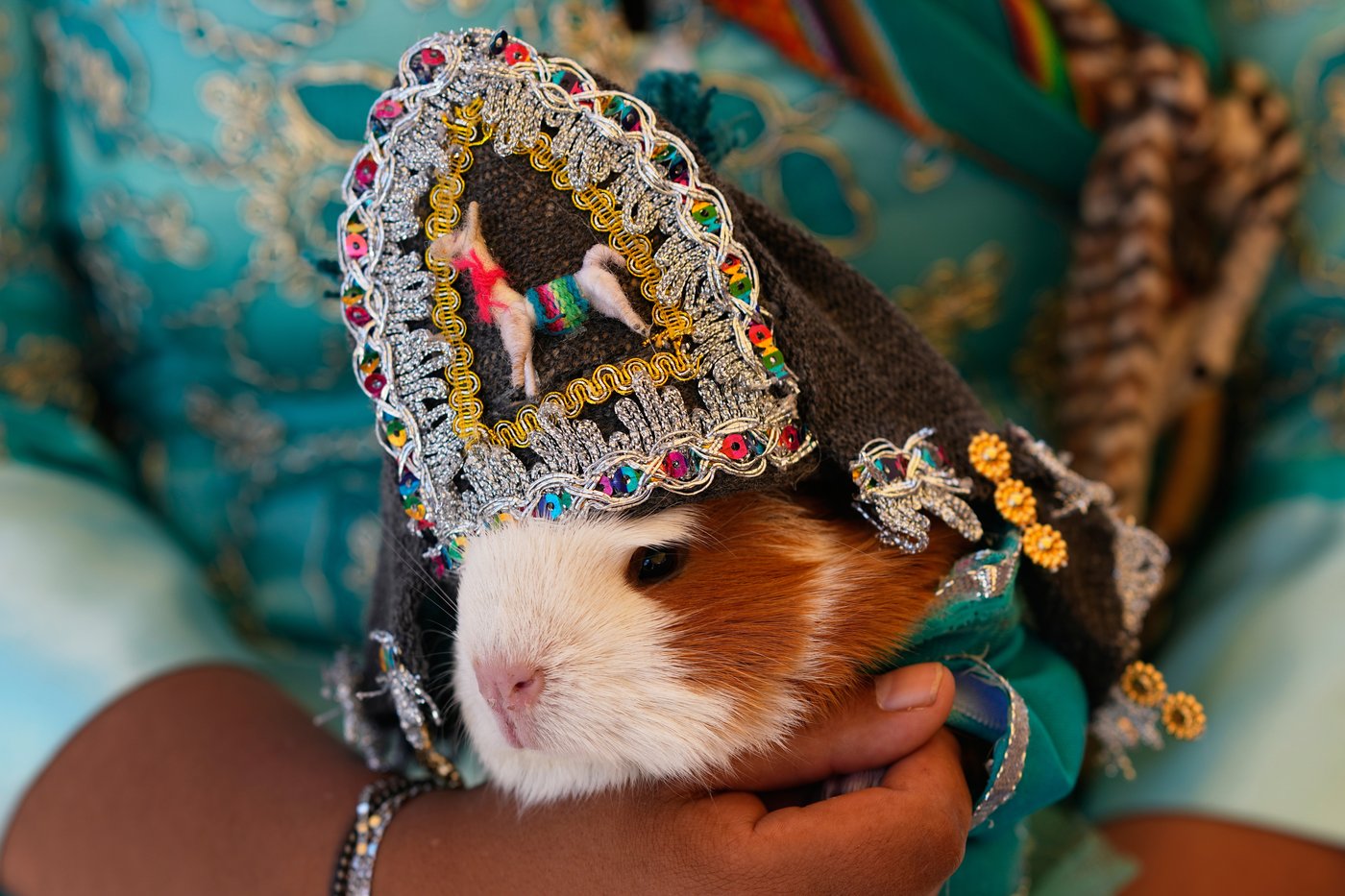
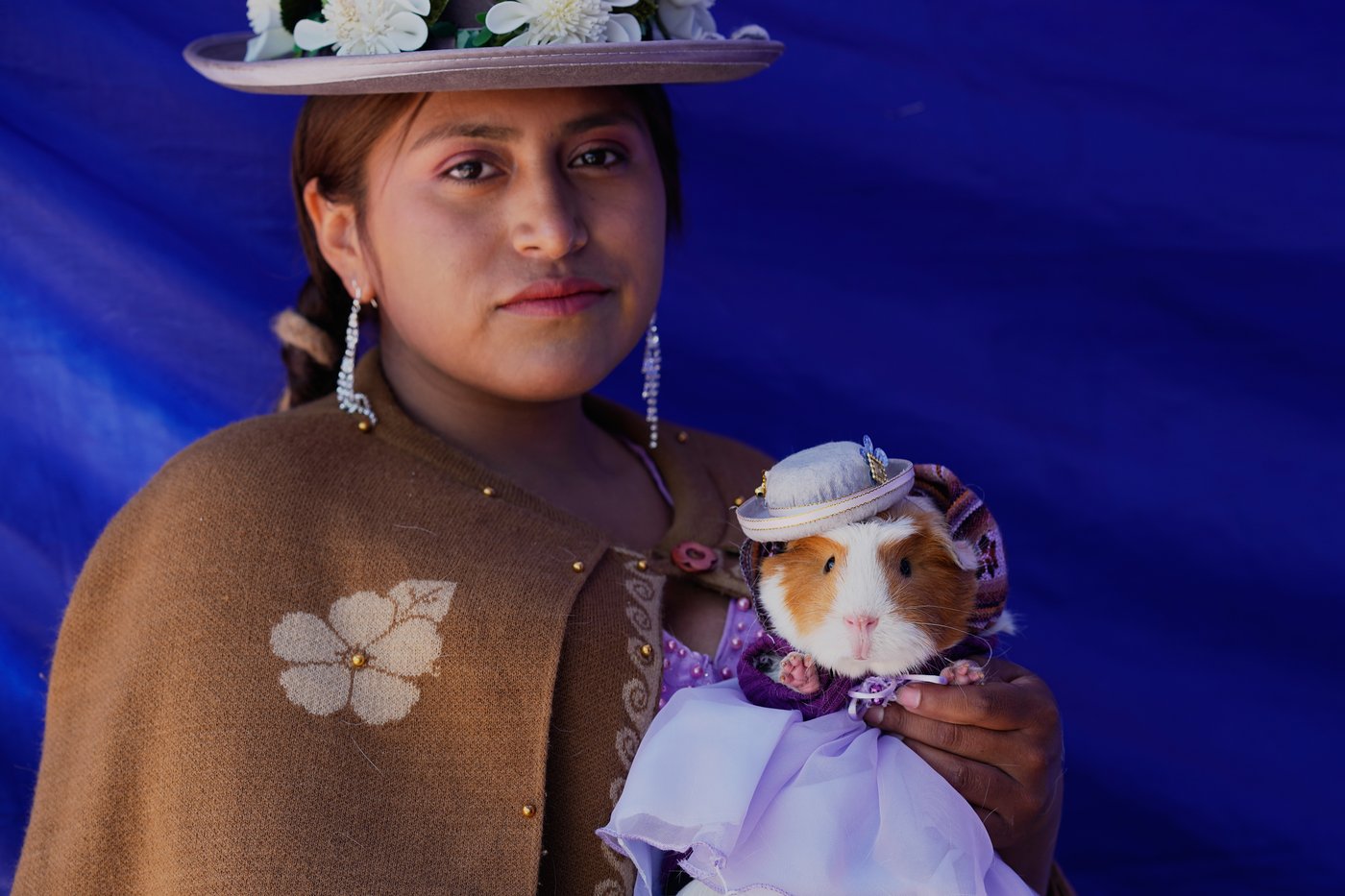
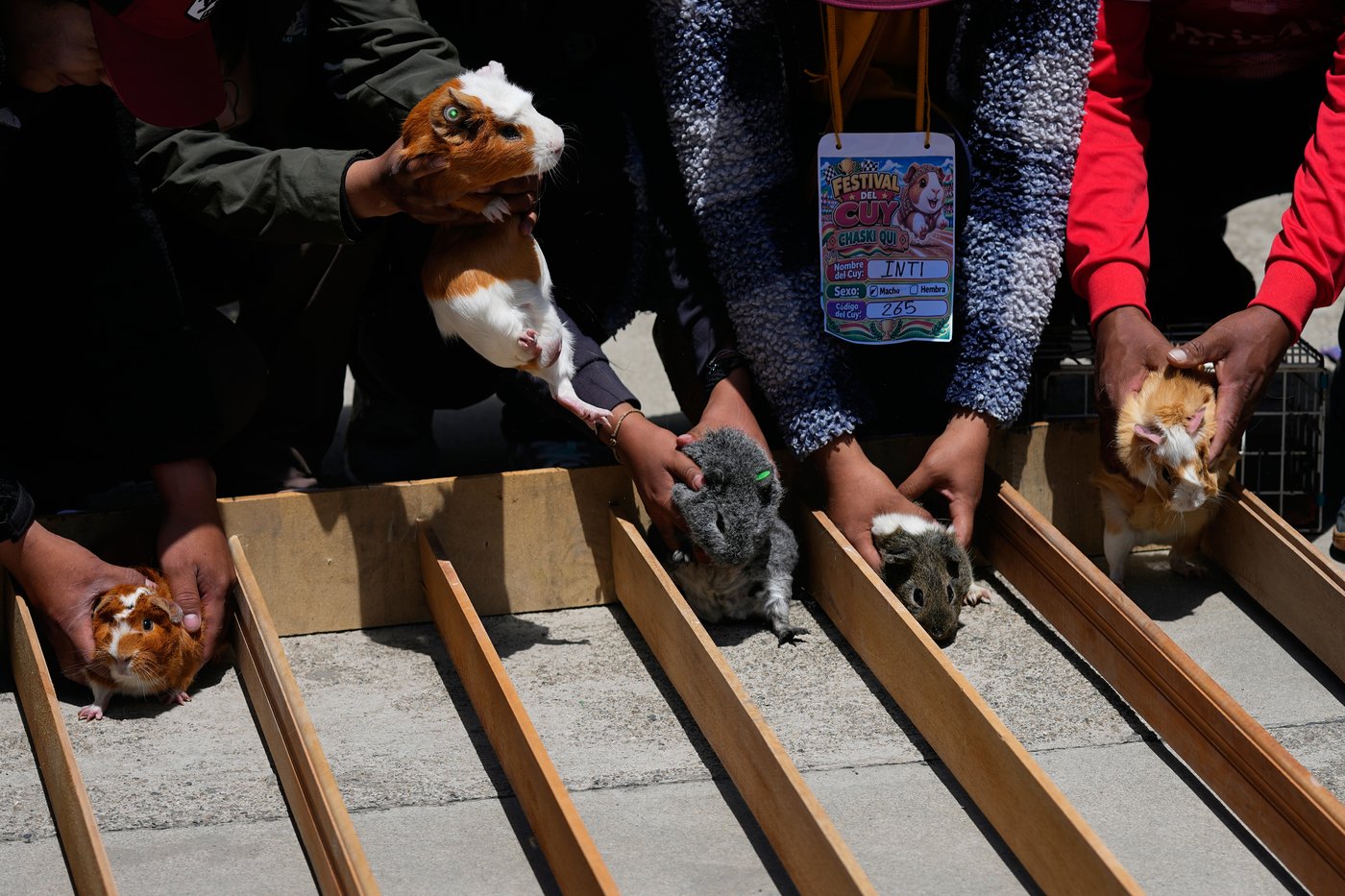
Students in the animal science and livestock program at the Public University of El Alto, a city neighboring La Paz, organized a race to reward the fastest cuy, a weigh-in to identify the heaviest and a runway show to crown the most stylish. The event brought together students and local farmers in the city, which sits at an elevation of 3,800 meters (12,500 feet).
“Our ancestors raised guinea pigs for centuries for food and rituals in the Andes,” said César Quispe, an instructor in the animal science program. “Their meat has high nutritional value and a low fat content.”
A cuy weighing 2.5 kilograms (5.5 pounds) from El Alto’s Kallutaca farm took the prize for the heaviest, while another from a different farm finished first in the speed race.
A food court offered a wide variety of traditional dishes, including roasted and baked cuys, cuys on skewers, and burgers and sausages made from the rodent’s meat.

Quispe said the decline of the cuy began during the colonial era, and today per capita consumption in Bolivia is low.
“That is why these festivals seek to encourage consumption and breeding, because it is also a promising source of income,” he said.
For ancient cultures, cuy meat was served at communal celebrations and offered as a symbol of hospitality. Indigenous people still use it in traditional medicine to cleanse the body or detect ailments and energy imbalances.
It was also used in offerings to Pachamama, or Mother Earth, according to Quispe.
___
Follow AP’s coverage of Latin America and the Caribbean at https://apnews.com/hub/latin-america
News from © The Associated Press, . All rights reserved.
This material may not be published, broadcast, rewritten or redistributed.

This site is protected by reCAPTCHA and the Google Privacy Policy and Terms of Service apply.
Want to share your thoughts, add context, or connect with others in your community?
You must be logged in to post a comment.