Elevate your local knowledge
Sign up for the iNFOnews newsletter today!
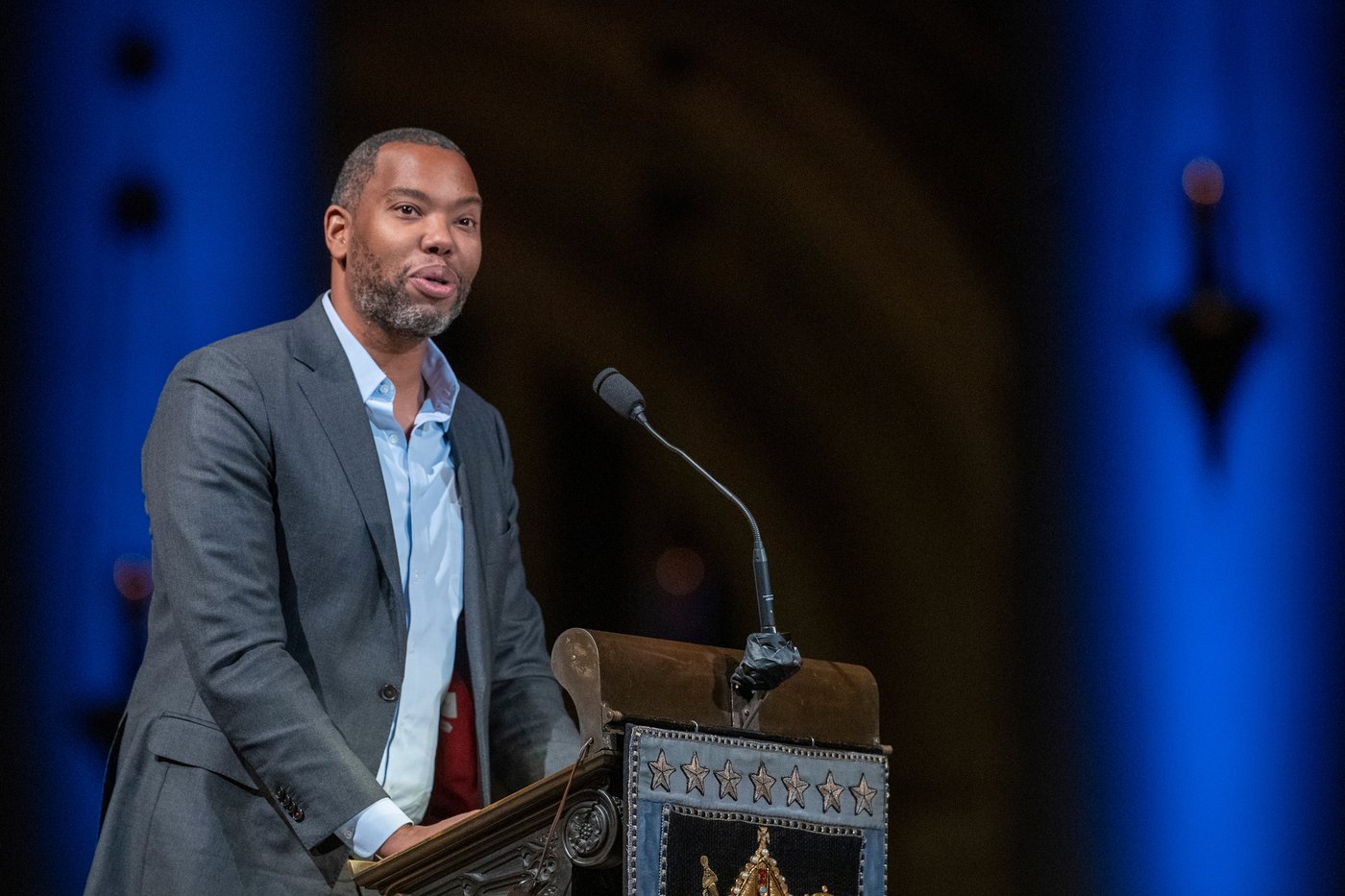
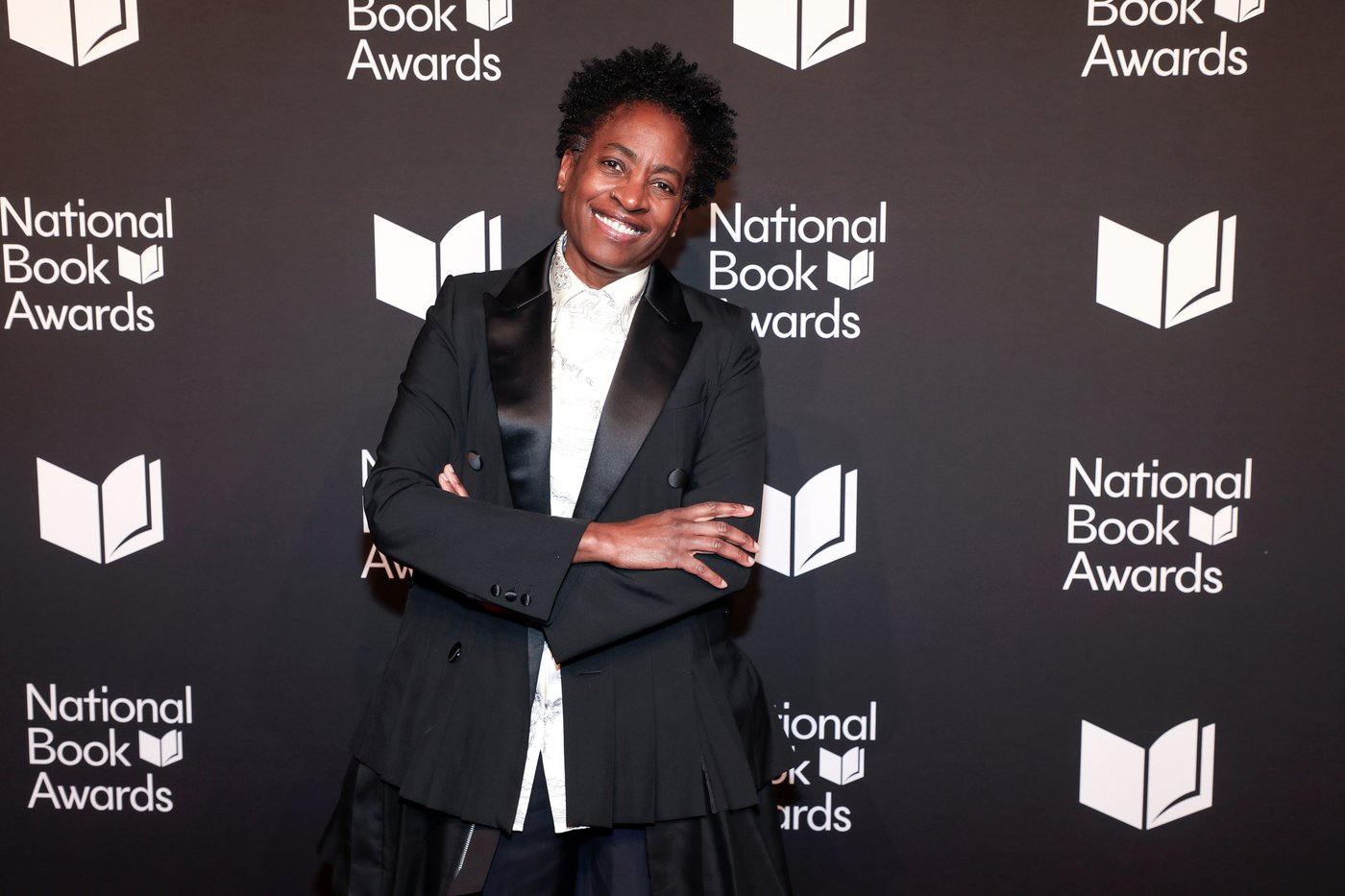
NEW YORK (AP) — Ta-Nehisi Coates, M. Gessen and Jacqueline Woodson are among more than 100 writers, editors, agents and others in the literary community seeking to establish a chapter of PEN that is independent from PEN America, the longtime free expression organization that has endured tensions with various members in recent years over the war in Gaza and other issues.
The new group, called PEN Writes US, would be “guided by the PEN Charter’s vision of ‘one humanity, living in peace and equality in one world,’” Monday’s announcement by the proposed organization reads.
Novelist Maaza Mengiste told The Associated Press during a recent telephone interview that PEN Writes does not seek to be a rival of PEN America and will likely share common ground about fighting censorship and oppression and encouraging discussions among writers. But she did say that PEN Writes will differ in its structure and in some of its priorities, ideally becoming “a center where sustained and equal advocacy for all writers guides principles, rather than institutional caution.”
Differences over Gaza and boycotts
Numerous writers and activists have been unhappy with PEN America’s response to the war in Gaza, contending that PEN America has been reluctant to criticize Israel or to defend the rights of Palestinian writers with the same force it has advocated for writers elsewhere.
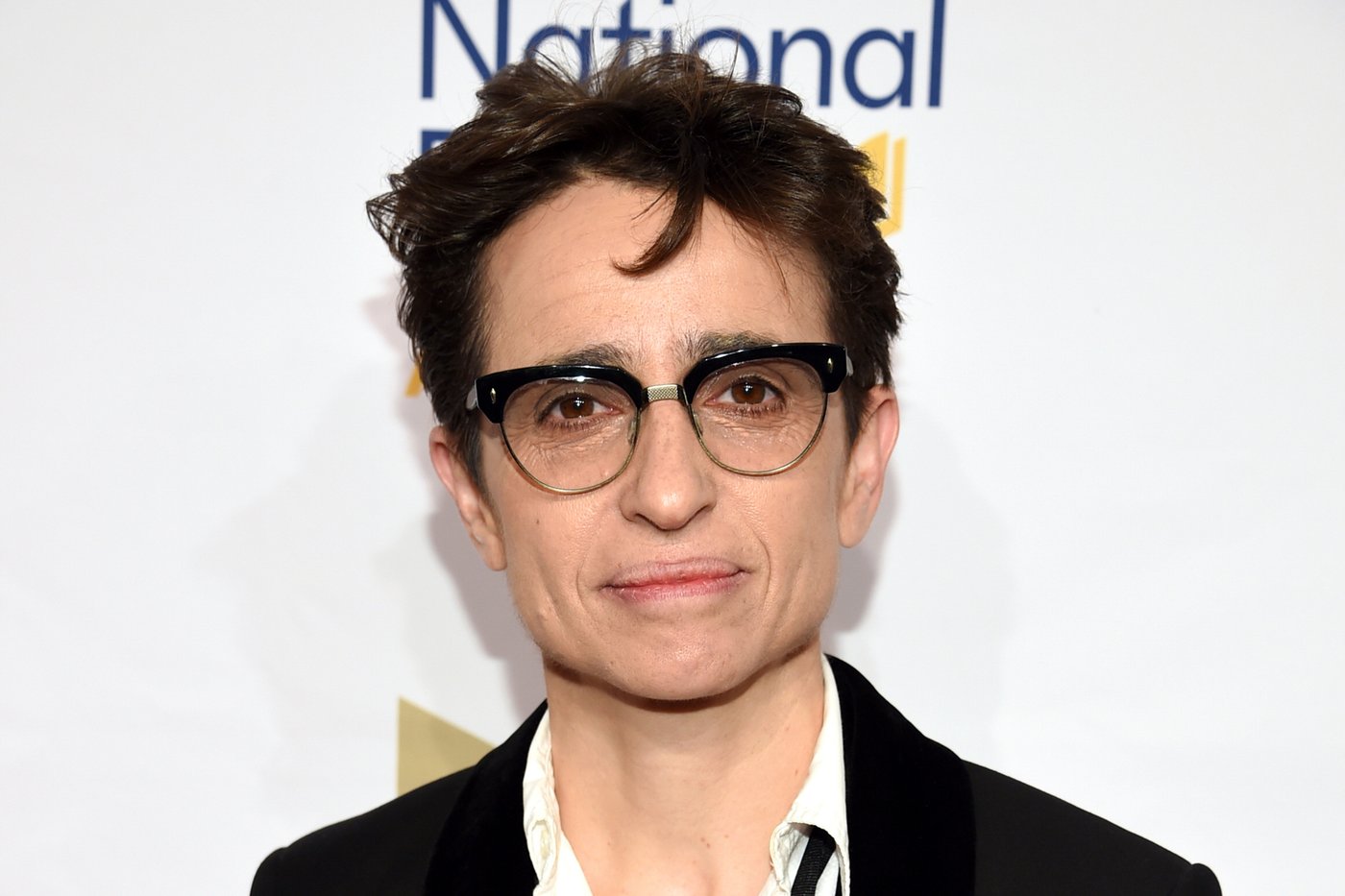
“I think there’s been a feeling for quite a while that PEN’s response to the war in Gaza has been inadequate,” says PEN Writes member Francine Prose, a former president of PEN America.
Fallout from the war in Gaza led PEN America to call off its annual awards show and “World Voices” festival in 2024 because so many participants dropped out. (Those events resumed in 2025 and 2026). Last summer, PEN America President Dinaw Mengestu resigned after PEN published a report about obstacles and harassment faced by Israeli and Jewish writers since the war began in 2023.
Mengestu, a prize-winning novelist who is now a member of PEN Writes, at the time cited the report’s criticism of cultural boycotts and expressed support for the Palestinian-led boycott, divestment and sanctions movement, or BDS. Organizers advocate economic and cultural pressure on Israel to end the country’s occupation of territories captured in the 1967 Mideast war, grant full equality to Arab citizens of Israel and promote the rights of Palestinian refugees to return.
According to its website, PEN America “emphatically opposes any efforts to inhibit the free international exchange of literature, art, information, or knowledge, including academic and cultural boycotts,” while also defending the rights of individuals to “be protected from retaliatory efforts” for participating in boycotts. Mengiste told the AP that PEN Writes takes a broader view, supporting boycotts themselves.

In a statement shared with the AP, PEN America said that it “remains focused on the work we have done for more than a century: defending free expression as a universal right that must be protected regardless of viewpoint. We are committed to building a literary community that makes room for a diversity of voices to defend the very things that unite us — our freedom to write, read and speak our minds.”
In July, in the aftermath of Mengestu’s departure, PEN America issued a statement citing such initiatives as its direction of $500,000 in emergency aid to Palestinians in Gaza, its legal support for a pro-Palestinian activist threatened with deportation by the Donald Trump administration and a 2025 PEN report entitled “All That Is Lost: The Cultural Destruction of Gaza.”
Writers at the center
PEN Writes is aiming for recognition next September at the PEN International Congress in Montenegro. The process includes forming a steering committee, establishing communication with the PEN International Secretariat and “seeking interest from the full diversity of writers” in a given country, according to PEN International’s guidelines.
PEN was founded in London in 1921 and has centers in more than 100 countries. PEN Writes would not be the first PEN chapter in the U.S. besides PEN America, which began in 1922 and now has more than 2,300 members. A Los Angeles-based branch operated for decades under various names, including PEN Center USA, before merging with PEN America in 2018.
Coates and Gessen are prize-winning authors and journalists, while Woodson is an acclaimed novelist for young people who has served as an ambassador for the Library of Congress. Other prominent members of PEN Writes include Pulitzer Prize winner Percival Everett, literary agent Nicole Aragi and novelist Hannah Lillith Assadi, who last week won the National Book Award for fiction.
The new PEN chapter is unlikely to approach the size and scope of PEN America, which has more than $20 million in annual revenue, according to its most recent financial statement. But Mengiste says PEN Writes aims to be effective as a more stripped-down, egalitarian organization run entirely by writers on behalf of writers.
“I think writers know firsthand what self-censorship or lost contracts or de-platforming looks like,” she says. “We know that what comes for one writer will very likely come for others. We are guardians of each other as much as we are stewards of literature. We do not work with a writers organization, we ARE writers, organized and mobilized to defend all writers.”
News from © The Associated Press, . All rights reserved.
This material may not be published, broadcast, rewritten or redistributed.

This site is protected by reCAPTCHA and the Google Privacy Policy and Terms of Service apply.
Want to share your thoughts, add context, or connect with others in your community?
You must be logged in to post a comment.