Elevate your local knowledge
Sign up for the iNFOnews newsletter today!
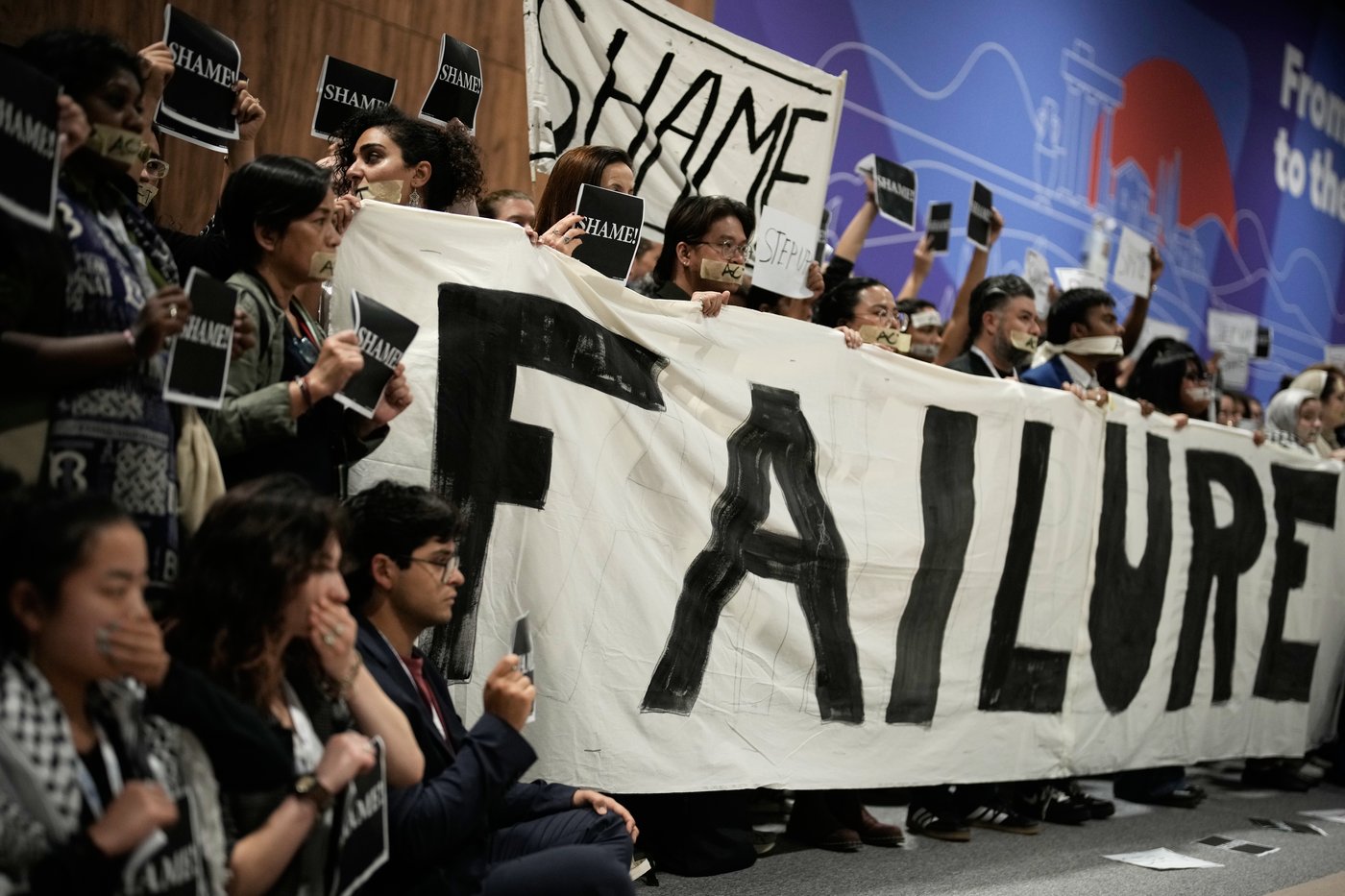
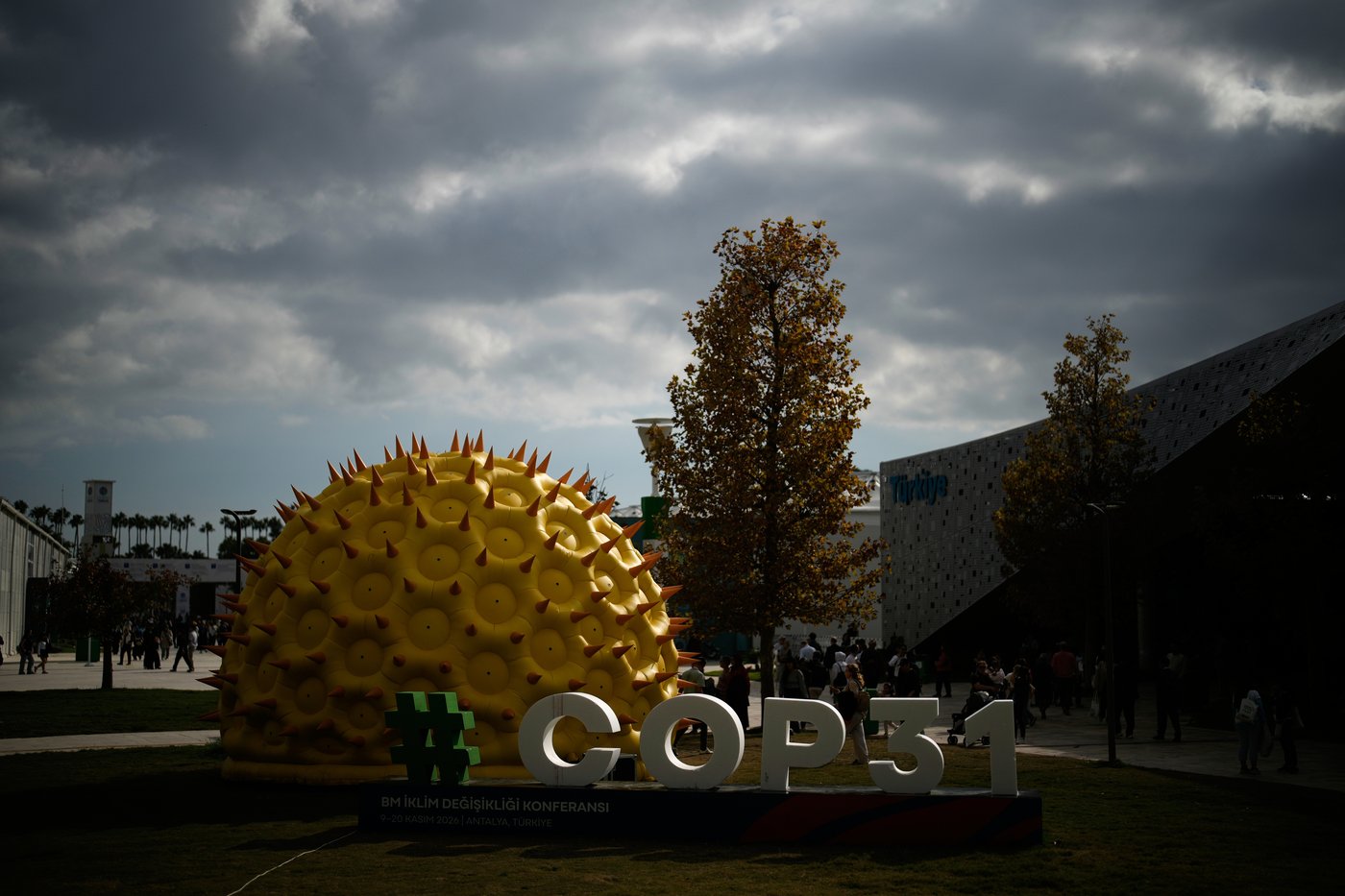
This year’s U.N. climate talks in Turkey failed to deliver consensus on how the world should confront climate change, even as it triggers more natural disasters that hit hardest in vulnerable countries that didn’t cause the problem.
Dozens of nations on Sunday objected to the final text — meant to guide climate actions — presented at the summit, called COP31, because it didn’t mention fossil fuels, primarily the use of coal, oil and gas that drives climate change. It also didn’t include increased financial commitments to help hard-hit nations adapt to a warmer world.
That leaves a lot of questions about what happens next — and what it means for ordinary, everyday people — as scientists warn that the world is on track to exceed goals to limit warming, set in the 2015 Paris Agreement.
Here’s what to know:
Some progress can still be made without an agreement
Even though there wasn’t a final agreement at COP31, climate action is still moving forward, as nations, states, provinces, Indigenous groups and even local officials take action on their own.
That includes a new voluntary initiative on transitioning away from fossil fuels that falls outside of the United Nations’ purview. Almost 60 countries participated in the first International Conference on Transitioning Away from Fossil Fuels in Colombia this year, and the second is scheduled for next year in the island nation of Tuvalu.
Rather than being held back, countries “are building new networks to work together,” said climate scientist Katharine Hayhoe from The Nature Conservancy.
She said most climate action takes place below the national level — including in the United States, which did not participate directly in the U.N. climate talks for the second year in a row. Although President Donald Trump pulled the U.S. out of the Paris Agreement, a delegation from the U.S. that included California Gov. Gavin Newsom attended the summit to pledge climate action.
Experts warn that the world must urgently and drastically reduce emissions to avert the worst effects of climate change.

A new urgency to confront climate change
This year’s climate summit came after a year of devastating natural disasters made worse — and far more likely — because of climate change.
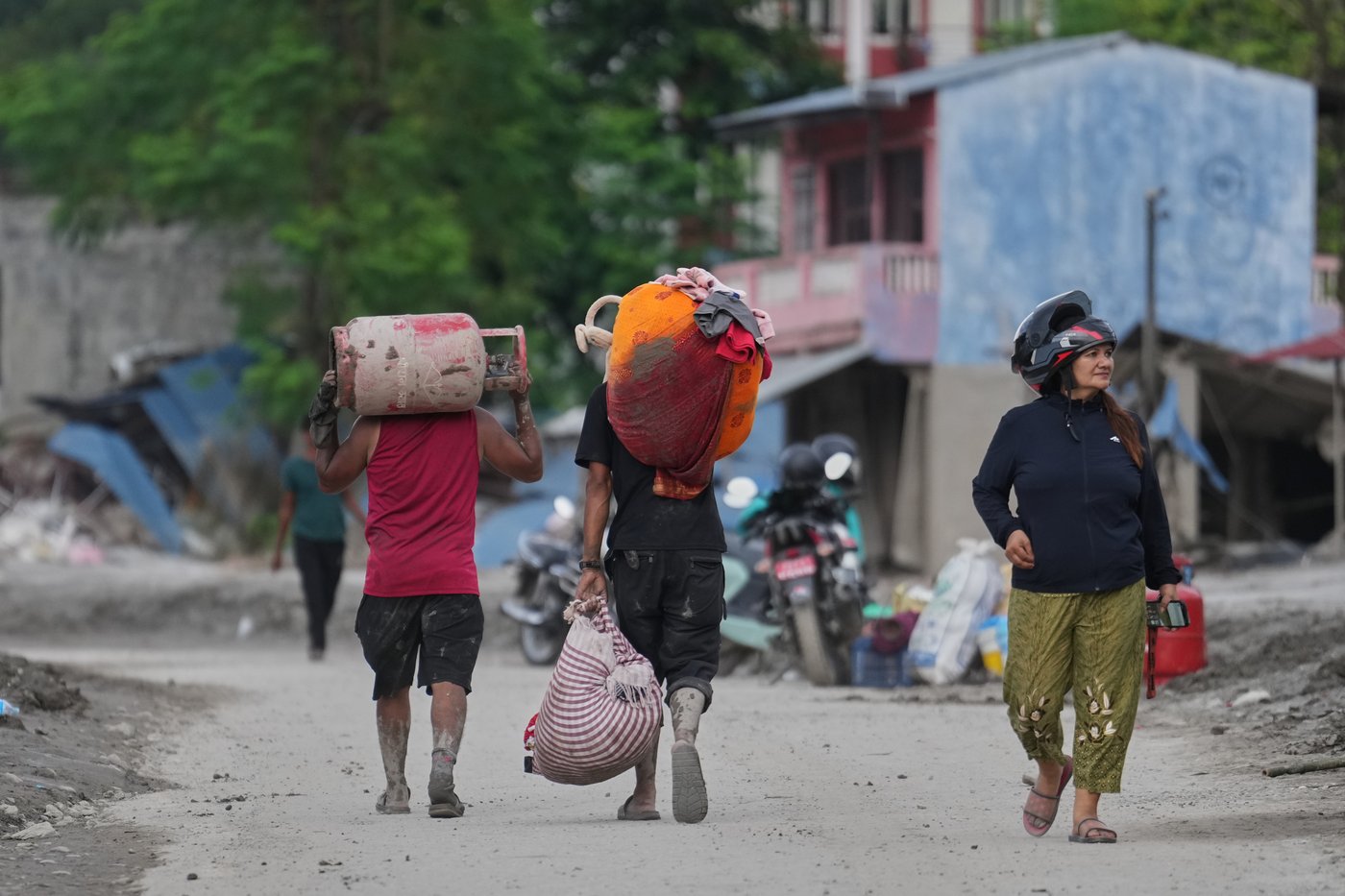
A summer heat wave in Europe killed more than 50,000 people, with nearly two-thirds of the deaths blamed on human-caused climate change. In Nepal, a partially collapsed Himalayan glacier triggered flooding that washed away entire villages and left thousands dead or missing — with more melting glaciers at risk of doing the same.
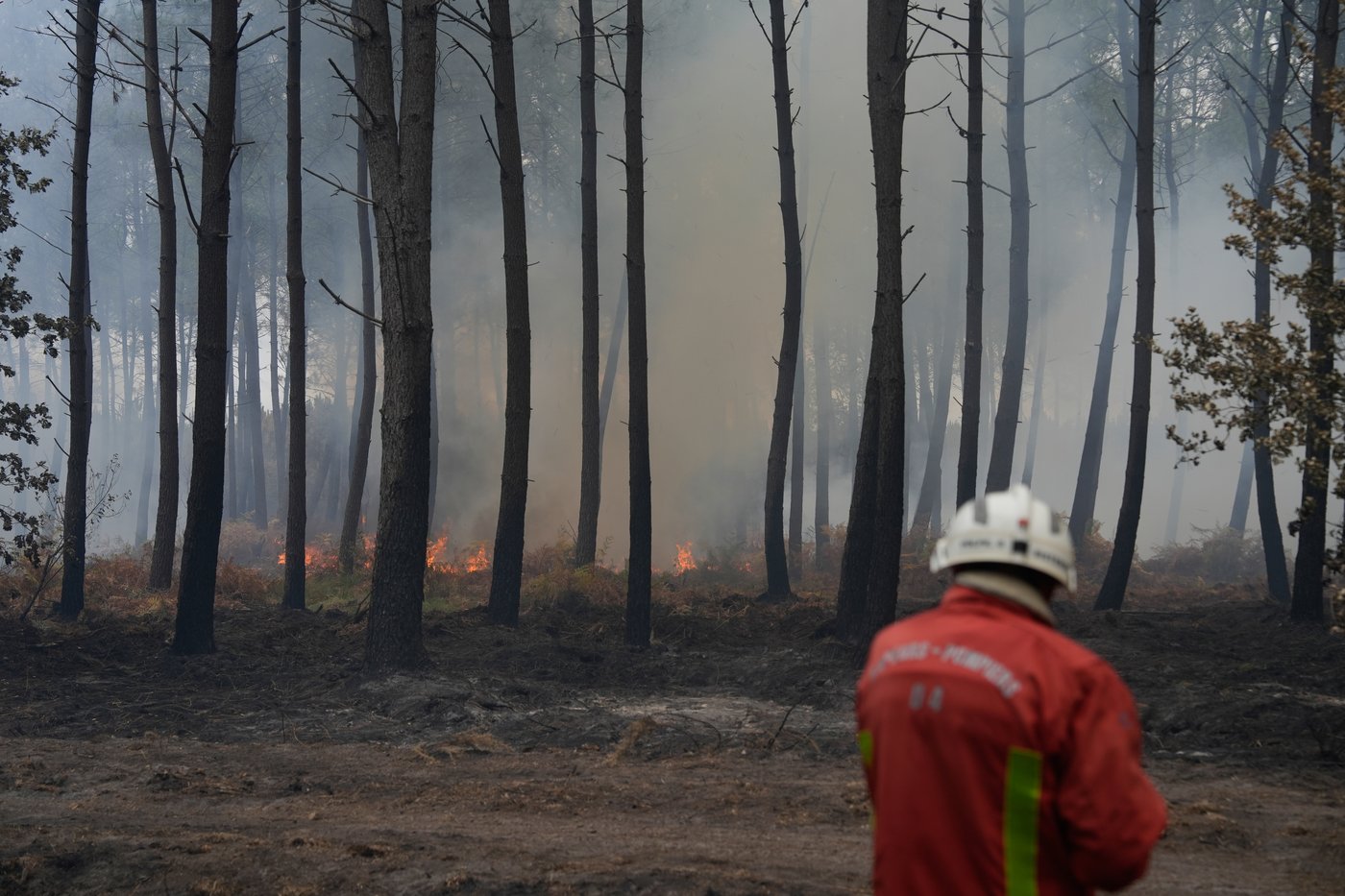
Wildfires raged across the globe, including in Canada — with the smoke making air quality in several U.S. cities among the worst in the world and prompting warnings that everyone’s health was at risk.
Still, those and many other climate-related disasters failed to move developed countries to more forcefully confront the underlying problem of fossil fuels at COP31. Nor did stark warnings about where the Earth is headed, as heat records fall daily, monthly and annually.

A report released during the summit by the independent nonprofit Climate Action Tracker found that progress in slowing global warming has essentially stalled for the past five years — meaning the world is almost certain to overshoot the goal set in the 2015 Paris Agreement of limiting warming to 1.5 degrees Celsius (2.7 degrees Fahrenheit) above pre-industrial temperatures.
Countries have established plans to reduce fossil fuel emissions. But even if they fulfill all their promises — increasingly unlikely — the globe will end the century 2.6 degrees Celsius (4.7 degrees Fahrenheit) warmer than pre-industrial times, the report said.
Experts say without action on climate, inequality will continue to grow
Transitioning away from fossil fuels takes money, and vulnerable nations went to the U.N. summit demanding that wealthier nations most responsible for the climate crisis do more to help them.
At past summits, rich nations promised to help poorer countries finance the transition and harden their infrastructure against natural disasters. The summit failed to produce an agreement on increasing support — experts say the amount currently pledged falls vastly short of future needs — or on determining who pays what and getting rich countries to pay what they already promised.
That means things like early warning systems in Nepal, devastated by this year’s flooding, will be more difficult to build, said Hayhoe. Island nations that are being battered by rising seas also might not be able to afford projects without easier access to money.
Yet, as such disasters intensify, international climate adaptation and disaster preparedness aid programs have been slashed. That includes the Trump administration’s abrupt cuts to U.S. foreign aid in 2025 that eliminated or sharply curtailed programs serving millions of people worldwide, including for disaster preparedness.
Climate change also is affecting rich countries, including the U.S. and countries in Europe, which are experiencing larger, more intense heat waves, droughts and wildfires, record flooding and other costly disasters.
That just underscores the scale of the crisis in poorer, even more vulnerable countries, experts say.
“If we fail on climate, the inequities we see today will grow almost beyond imagining: widespread crop failures, people losing access to water, rising conflict over basic resources, mass migration and growing tensions between countries,” Hayhoe said.
Tasneem Essop, executive director of Climate Action Network International, said developed countries were to blame for the failed U.N. talks.
“We are witnessing human suffering on an unimaginable scale, and we had hoped this COP would take steps to protect people from the worsening climate crisis,” Essop said. “Instead, rich nations gutted the very measures that could have made a difference.”
___
The Associated Press’ climate and environmental coverage receives financial support from multiple private foundations. AP is solely responsible for all content. Find AP’s standards for working with philanthropies, a list of supporters and funded coverage areas at AP.org.
News from © The Associated Press, . All rights reserved.
This material may not be published, broadcast, rewritten or redistributed.

This site is protected by reCAPTCHA and the Google Privacy Policy and Terms of Service apply.
Want to share your thoughts, add context, or connect with others in your community?
You must be logged in to post a comment.