Elevate your local knowledge
Sign up for the iNFOnews newsletter today!
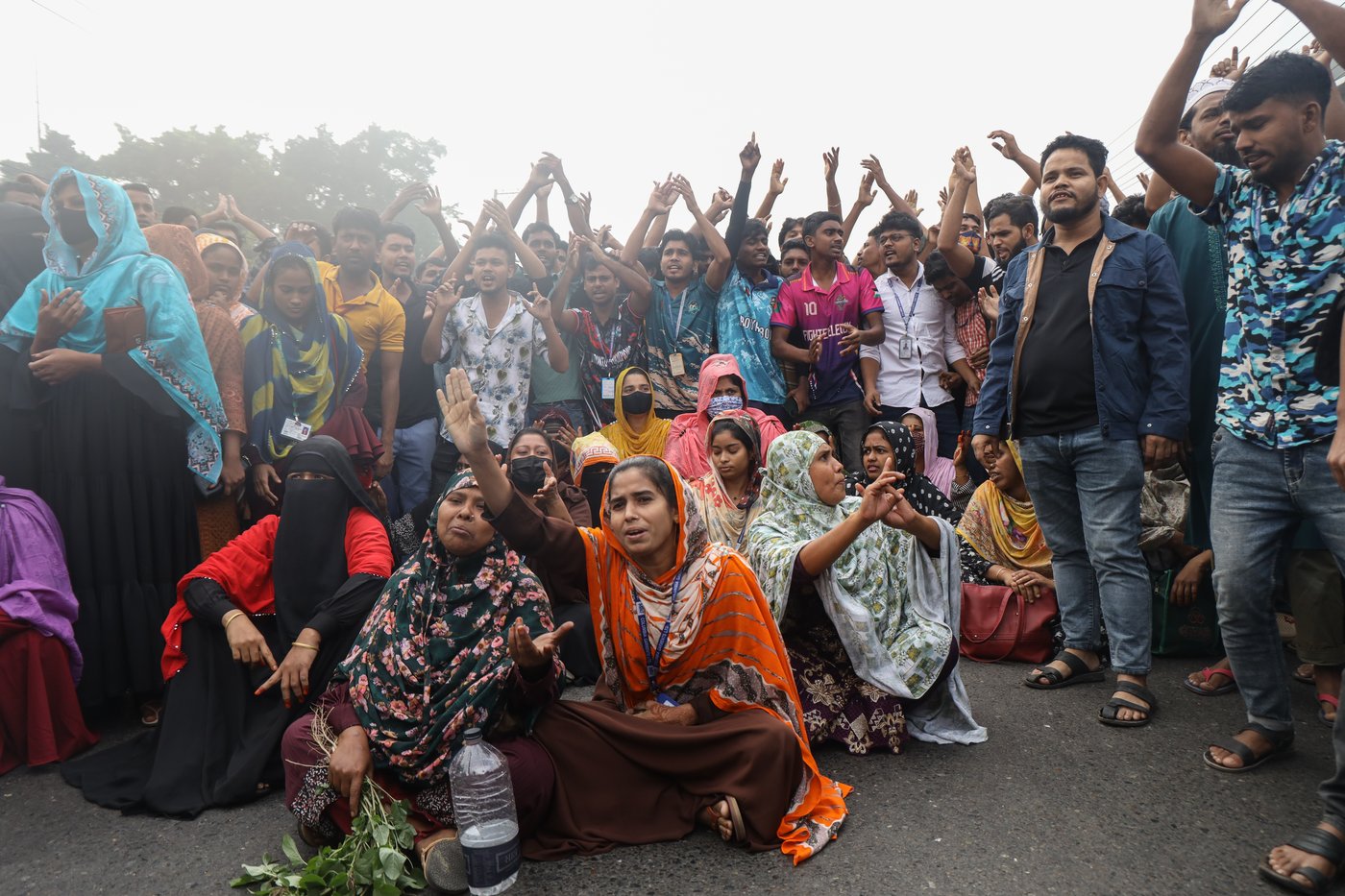
DHAKA, Bangladesh (AP) — Bangladesh raised the minimum monthly wage for entry-level garment workers Wednesday by 36% to 17,000 takas ($136) from 12,500 takas after weeks of violent protests that closed factories and disrupted production as workers demanded the minimum wage be doubled.
The workers took to the streets, fought with police and attacked factories for weeks as they demanded better wages and said higher inflation had made their lives difficult.
The garment industry is Bangladesh’s main sector to earn foreign currency through exports, mostly to the United States and Europe. It represents about 80% of the country’s total exports and directly employs about 4 million workers, mostly women from rural areas.
A government-appointed wage board approved the new wage structure early Wednesday after nearly 12 hours of meetings between workers’ and employers’ representatives.

The six-member board, including two representatives each for workers and employers, approved the new wage structure in a 4-2 vote supporting 17,000 takas as the minimum wage. The other two board members sided with workers’ revised demand for 18,000 takas per month.
The wage board also revised monthly wages for other workers.
It was not immediately clear if the workers would accept the new wage structure.
News from © The Associated Press, . All rights reserved.
This material may not be published, broadcast, rewritten or redistributed.

This site is protected by reCAPTCHA and the Google Privacy Policy and Terms of Service apply.
Want to share your thoughts, add context, or connect with others in your community?
You must be logged in to post a comment.