Elevate your local knowledge
Sign up for the iNFOnews newsletter today!
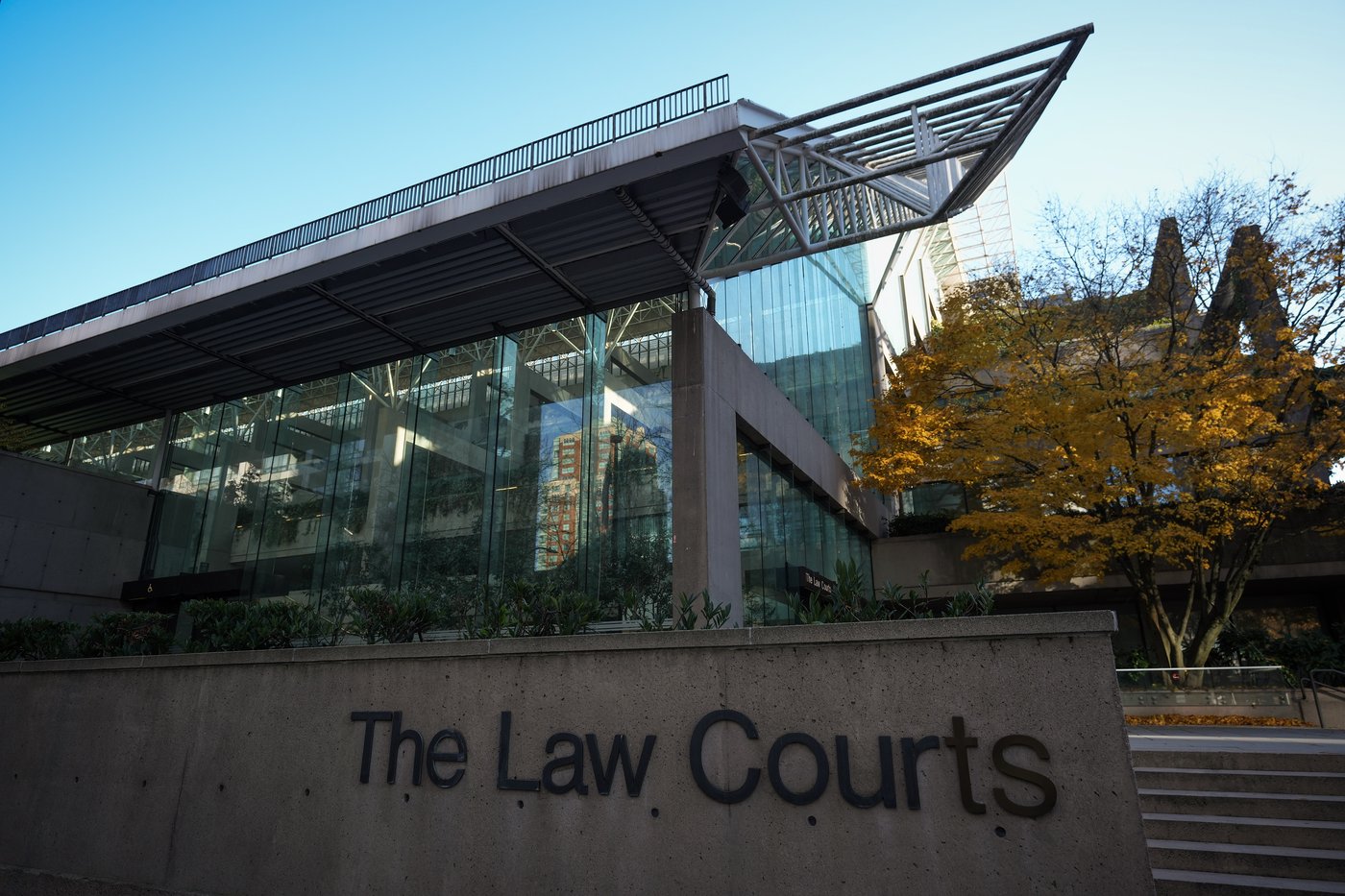
VANCOUVER — Lawyers representing plaintiffs in a class-action suit involving a falsely labelled health supplement say they have received a favourable ruling from the Supreme Court of British Columbia.
CFM Lawyers, one of two firms representing the plaintiffs, says the court has found products labelled as glucosamine sulphate made by Jamieson Laboratories, WN Pharmaceuticals and Natural Factors Nutritional Products did not contain the chemical compound.
The ruling issued by Justice Ward K. Branch on Oct. 26 says the supplements instead contained a dry, physical mixture of glucosamine hydrochloride and potassium sulphate, which did not undergo a chemical reaction to form glucosamine sulphate.
The defendant companies did not immediately respond to a request for comment, although CFM says they have appealed the decision in B.C.’s Court of Appeal.
The class-action lawsuit began in August 2019 and was certified by Branch in 2021, with the class listed as all Canadians who bought the product on or after May 6, 2004.
The court decision says the issue was first identified in a published article in 2012, with Health Canada then responding to a public inquiry from a whistleblower who was a contractor with one of the defendant companies in 2013.
That complaint was closed in 2014 at the request of the whistleblower.

Court documents show that the defendants accepted that their products were a physical mixture instead of one that was chemically bonded to form the compound, but argued that the mixture could be sold as glucosamine sulphate in “the broader regulatory context, history, industry practices and Health Canada’s conduct.”
The defendants also argued that the sales of a physical mixture “must be acceptable” because there has been no evidence of a chemically bonded form of glucosamine sulphate ever observed or produced in Canada.
Branch dismissed those arguments in the decision.
“You cannot sell horses with affixed narwhal tusks as unicorns, even if unicorns do not exist, and even if the national unicorn regulator has not prevented you from doing so,” the judge said in the decision.
“It does not matter (at this stage) whether the product being sold as a rose smells as sweet — if you are selling a rose, the consumer is entitled to a rose, no matter how sweet what you are selling smells.”
The decision comes after a 32-day trial held between 2025 and 2026, and no claim process has been established in the case.
This report by The Canadian Press was first published Nov. 25, 2026.
News from © The Canadian Press, . All rights reserved.
This material may not be published, broadcast, rewritten or redistributed.

This site is protected by reCAPTCHA and the Google Privacy Policy and Terms of Service apply.
Want to share your thoughts, add context, or connect with others in your community?
You must be logged in to post a comment.