Elevate your local knowledge
Sign up for the iNFOnews newsletter today!
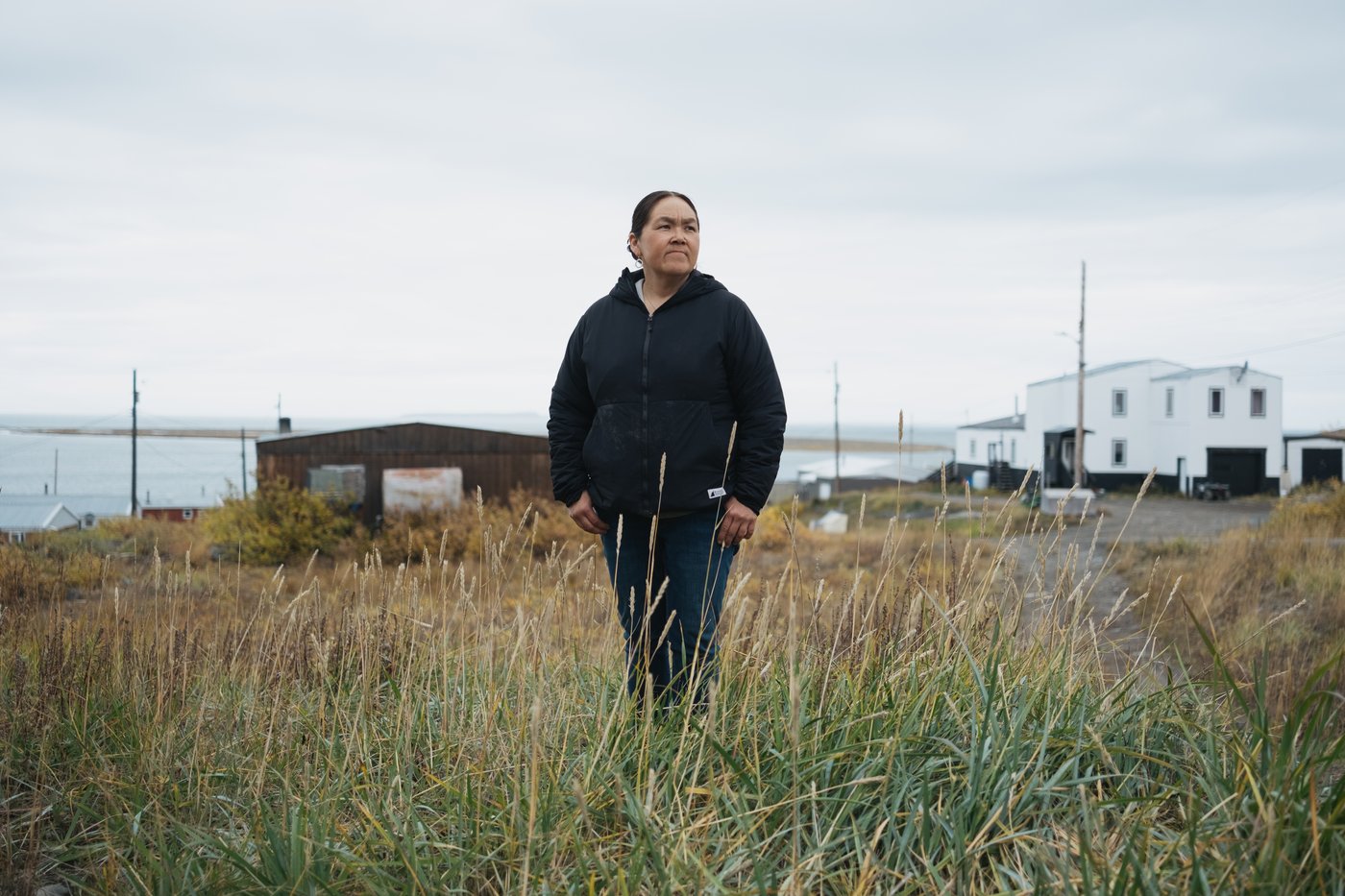
KUGLUKTUK — Amanda Dumond lifts the lid of a large freezer chest in Kugluktuk, Nunavut’s westernmost community, where the Arctic Ocean feeds into Coronation Gulf.
The Inuk woman pulls out several bags: there’s a deep-red caribou leg, then a package of the animal’s stomach fat, followed by a hoof and an entire goose. She gasps when she finds a piece of maktaaq, a traditional food of whale skin and blubber.
“This is the last piece I have,” she says, showing off the fatty, marbled tissue.
Dumond, manager of the hamlet’s hunters and trappers organization, goes hunting with her family every year, taking all-terrain vehicles onto the landscape largely untouched by development.
There are no roads in the surrounding treeless tundra, just an expanse of land stretching to the horizon.
But that could change.
West Kitikmeot Resources Corp., an Inuit-owned and -led company, is planning to build the Grays Bay Road and Port, east of Kugluktuk.
The mega project, which could cost upward of $1 billion, is currently before the Nunavut Impact Review Board for assessment. Prime Minister Mark Carney has referred it to the federal major projects office, which could fast-track its construction by overriding certain federal regulations.
It would be monumental.
The all-season gravel road would be the first to run across the territory, starting at the Nunavut-Northwest Territories boundary and stretching 230 kilometres north along several mining deposits to Grays Bay. There, Canada would have its first deepsea port on the western Arctic coast.
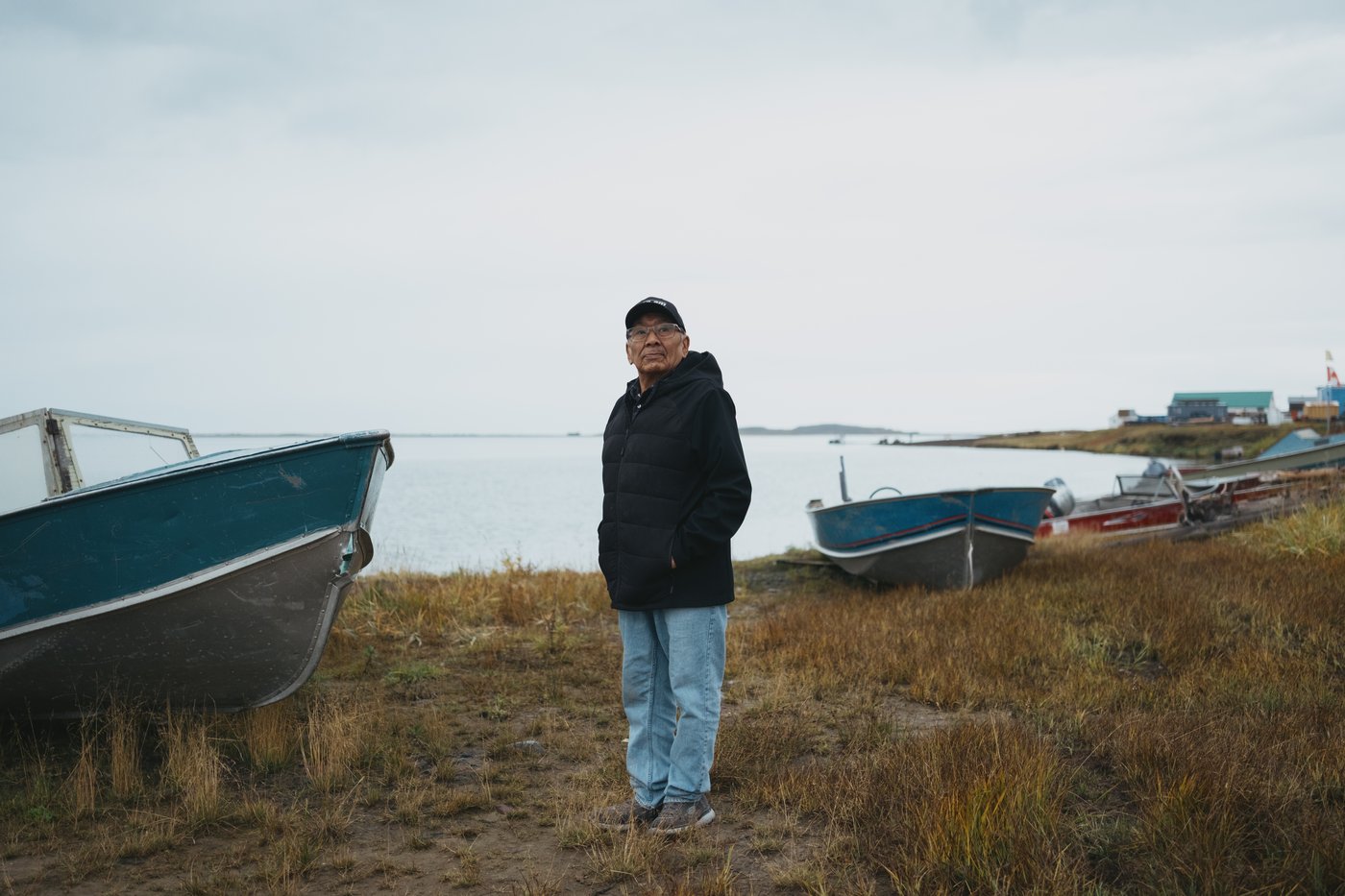
It would also be a first step in connecting Nunavut by road to the rest of the country.
The major projects office is also considering a 400-kilometre road called the Arctic Economic Security Corridor, stretching north of Yellowknife to where Grays Bay Road would begin.
Both roads would become part of Canada’s national highway system, and Canadians would be able to drive to Nunavut for the very first time.
The benefits are many, says the company. Besides being able to truck minerals to the port, the project would create jobs, lower housing and food costs, and provide Canada with Arctic security.
But there are worries, too — impacts to caribou herds and marine life.
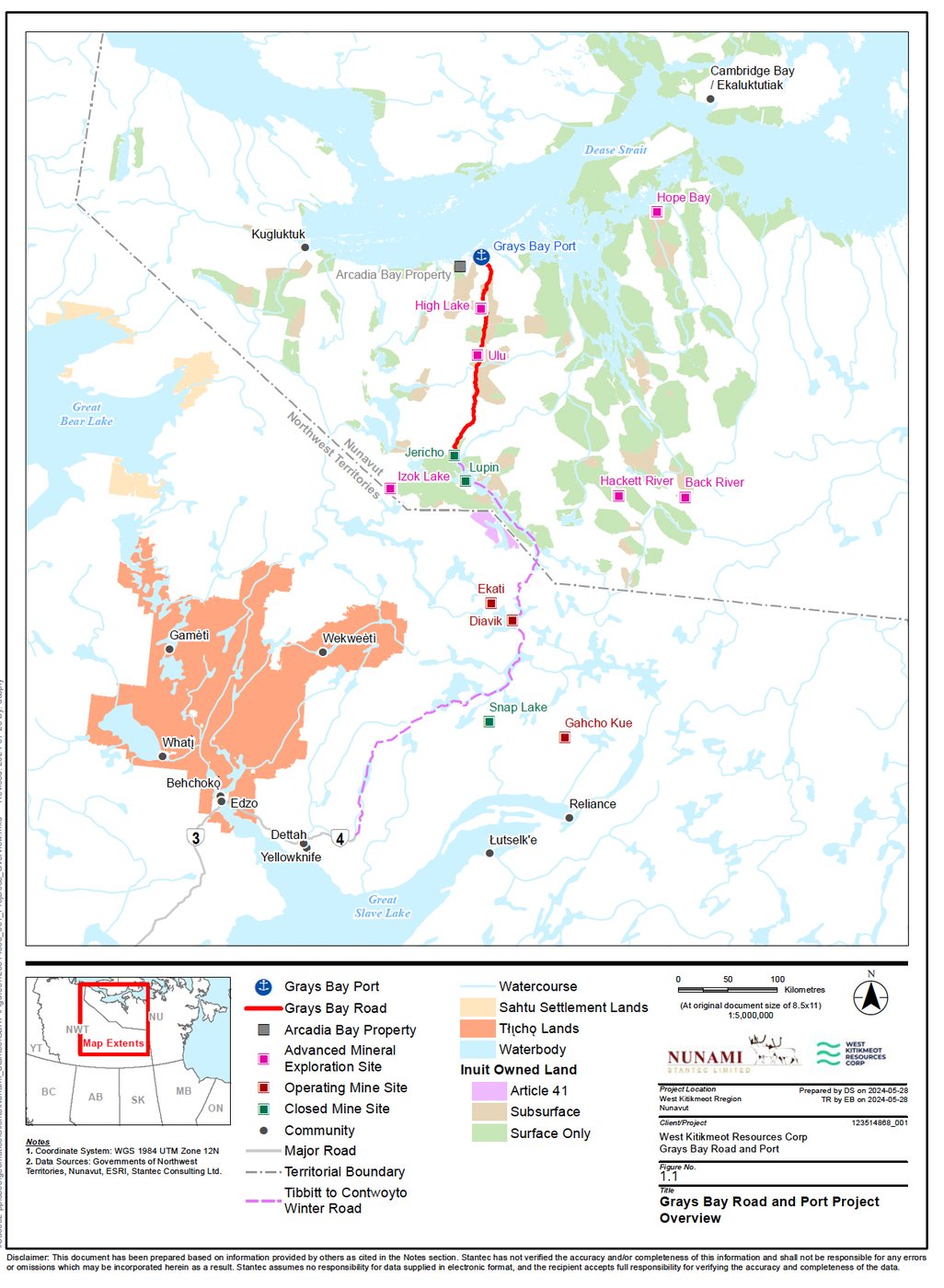
Dumond says hunting is integral for her family and others in the community. “It’s what I live for. It’s a part of me.”
Kugluktuk Mayor Ryan Nivingalok says he understands the concerns, but his hamlet could benefit from the project.
“As a community leader, you’re looking for the best solution and opportunities to help your people,” Nivingalok says.
“You want to see growth.”
—
The region and its people
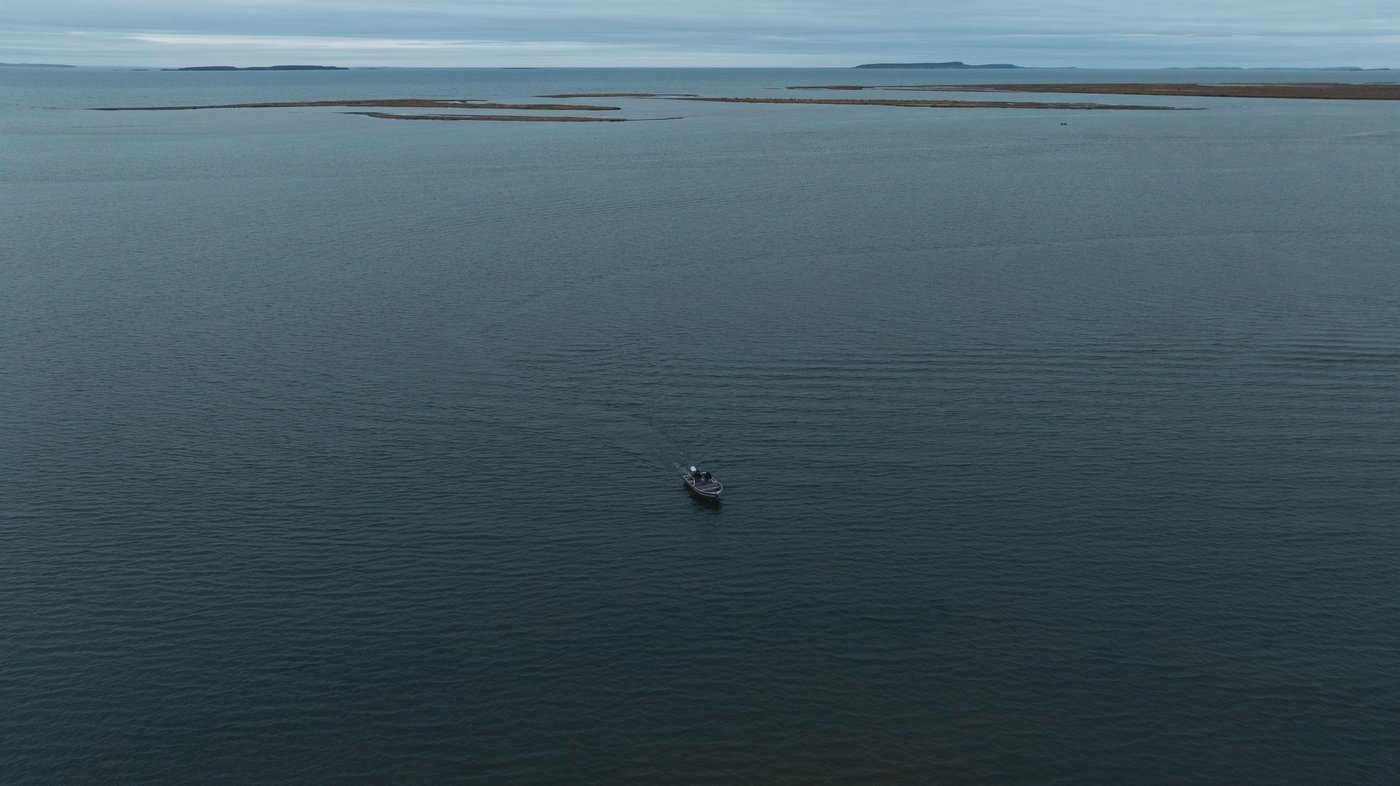
The tiny inlet in the frigid Coronation Gulf is surrounded by low-lying tundra with a network of lakes, ponds and streams. Boulders scatter the region, along with the odd hunting cabin.
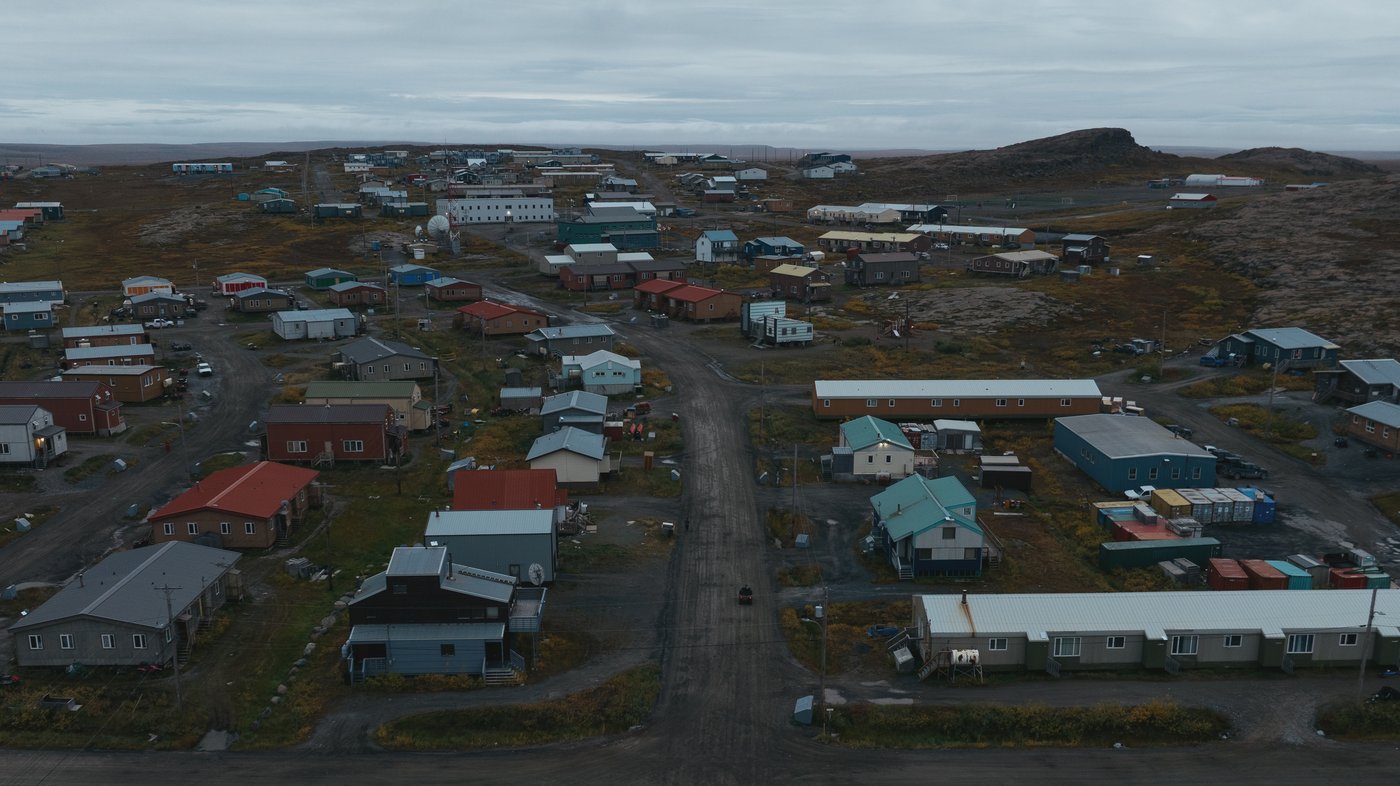
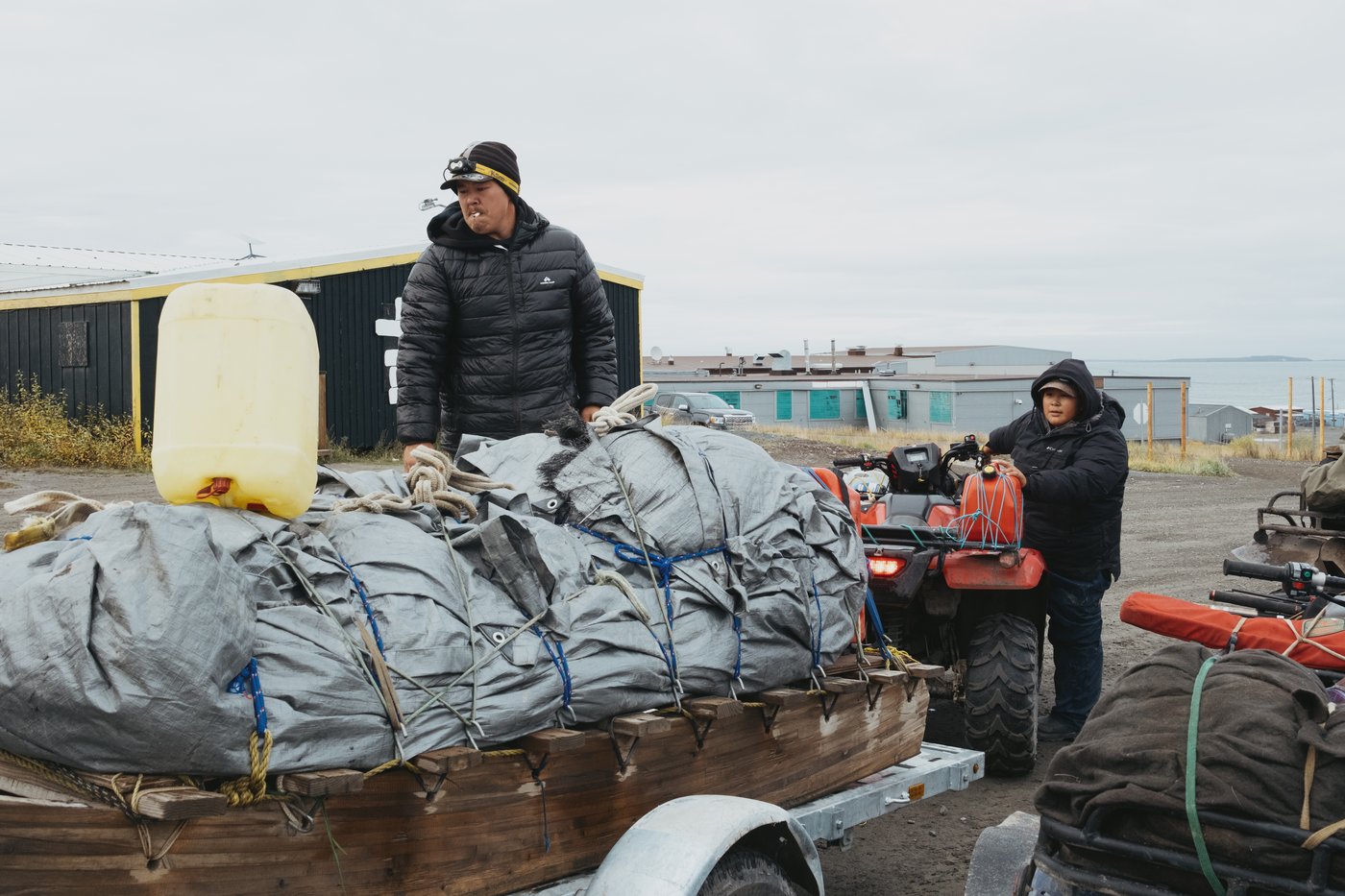
Kugluktuk, 180 kilometres to the west, is the closest community. It wouldn’t be connected to Grays Bay Road, but residents often take their ATVs out to the area or zip across the water by boat.
In early September, the tundra’s fall colours have set in. Willows and grasses have turned dark yellow and deep red. Orange lichens and green moss are splotched on exposed bedrock, and ravens make throaty caws in the overcast sky above. The air is cool and fresh.
In Kugluktuk, people bounce on rumbling quads from one point to the next. Some homes are painted in bright yellow, green and blue. Animal furs are draped over porch railings, and some roofs are adorned with caribou or muskox skulls.
Christmas lights are still up from last year on the sides of some homes, in shapes of stars and trees. Each holiday season, residents travel roughly 60 kilometres south to cut down and haul back a tree.
New mothers walk around the hamlet’s two grocery stores carrying babies in pouches on their backs. After school, children jump on their bikes, climb in the playground and kick balls on the soccer field, squealing with laughter.
Unemployment and poverty in the hamlet of 1,380 is high. Those who have jobs mostly work for mining companies or in public administration.
Groceries are more expensive than in Southern Canada, and many rely on food hampers. Some sell sealskin garments to help make ends meet.
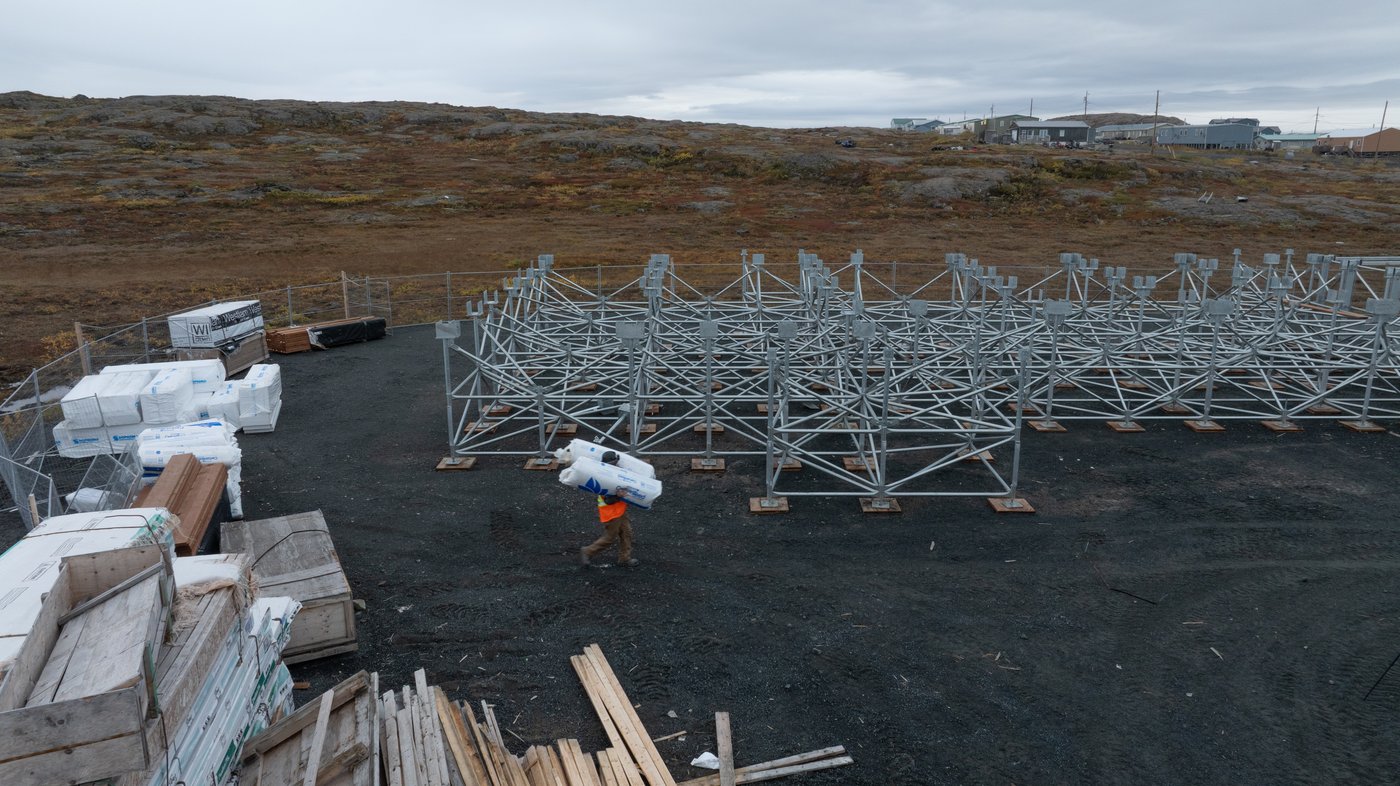
The Grays Bay project would make it easier to get goods to the community and others in the territory, says West Kitikmeot. People currently rely on planes to get products year-round or, in the warmer months, infrequent ships from Montreal.
Simon Kuliktana, a member of Nunavut’s legislative assembly who represents the hamlet, hasn’t thrown his support behind the Grays Bay project. He says he’s speaking with residents and groups before taking a position.
“Our caribou herd is so delicate that it’s a fine line,” Kuliktana says. “We need to ensure that they are around for many centuries to come.”
Nunavut Premier John Main, however, is on board.
“It will bolster Arctic connection into the Arctic Ocean, open mining opportunities and meet Canada’s growing need for responsibly sourced rare earth elements and battery metals, which are essential for clean energy and defence applications,” he says in a statement.
Likewise, the N.W.T. government has thrown its support behind both the Grays Bay and Arctic Economic Security Corridor projects.
Caroline Wawzonek, the territory’s strategic infrastructure minister, says the corridor could cost a lot more, up to $7 billion.
But both projects are tied, she says. And if Canada wants to connect the country and the Arctic, it needs it.
“Let’s do it in a way that involves Indigenous nations so that they are involved from Day 1.”
—
Building the road and port
The Grays Bay project has been in the works for decades, says Brendan Bell, West Kitikmeot’s CEO.
It has been reimagined several times, Bell says, including changing routes to address concerns about caribou. The port site was selected because the tidewater is naturally deep.
In 2016, the Kitikmeot Inuit Association and Nunavut’s government signed an agreement to partner on the project, but the territory later pulled out. In 2025, West Kitikmeot took over. The Kitikmeot Inuit Association, which represents Inuit in the region, is a major shareholder of the company. Calgary-based Atco Ltd. also has a 40 per cent stake.
The company expects it will need to raise 25 per cent of funds from the private sector, while the rest could come from Ottawa.
Bell says Canada needs the project.
Its goal is to kick-start mining copper and zinc in the area, spurring development that would ultimately funnel hundreds of millions of dollars into the economy.
The project would take five years to build.
Several reports from West Kitikmeot detail the massive construction process. The company would hire hundreds of workers, bring equipment in on barges, and build a winter road to bring in more equipment and materials.
Construction on the permanent road would start at the same time from both ends and eventually meet in the middle.
The road has to be gravel, not asphalt or concrete, because of finicky permafrost, ground that’s at or below 0 C and held together by ice.
When it thaws, the ground shifts and can cause roads or structures to distort. That’s why many homes in the North are built on elevated foundations with pilings drilled deep into the ground.
Building a road on permafrost isn’t a new challenge, says Bell.
The 740-kilometre Dempster Highway, cited as Canada’s longest gravel road, stretches from near Dawson City, Yukon, to Inuvik, N.W.T.
“Even if we had the money, I think you probably wouldn’t pave roads in this part of the world,” Bell says.
—
Arctic sovereignty
Carney has argued the Grays Bay project would also bolster the country’s security.
Ottawa is planning to spend an extra $32 billion on the Armed Forces to beef up operations in the North, and it says the Grays Bay Port could assist the military.
Bell says it could host military ships and submarines. The coast guard, for example, could dock and fuel up.
“We need to send a message to not just our allies that we will do our part, but our adversaries that we’re here, we’re present and will match their intensity in the Arctic.”
The port could also support the coast guard’s search and rescue missions, Bell adds.
The Forces have various operations in the Arctic.
There’s a training centre in Resolute, Nvt., along with an alert station on Ellesmere Island – the most northern continuously inhabited location in the world.

The Forces also have three other sites in the region that can support fighter jets: Inuvik, Iqaluit and Yellowknife. Ottawa’s $32-billion plan aims to enhance aircraft operations at these locations as well as a base in Newfoundland and Labrador.
Kuliktana, the legislature member for Kugluktuk, says it makes sense to beef up security in the region.
“With declining ice on the Northwest Passage, we have other countries like China and Russia very interested in using the Northwest Passage.”
—
Improving the economy, housing and food prices
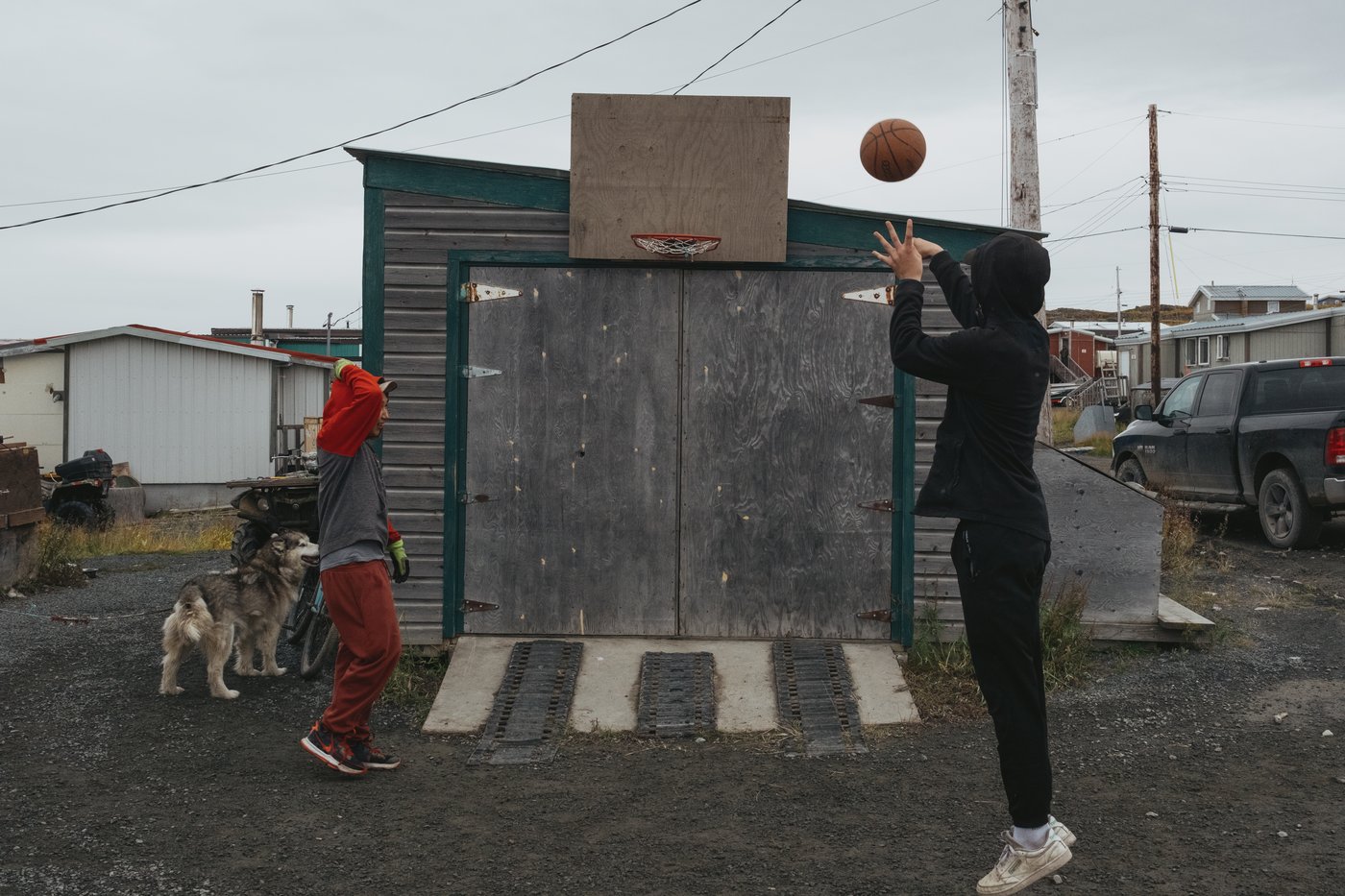
Back in Kugluktuk, 18-year-old Deagan Miyok plays basketball outside with a friend.
The Grays Bay project is “not bad,” he says.
Miyok graduated high school this year and hopes to get a job at a mine.
Others in the community looking for work also say Grays Bay could help them get jobs and put food on the table.
West Kitikmeot says it would hire 250 to 400 people for construction on the project over the five years. The port could also support up to 80 permanent employees with West Kitikmeot and other companies.
West Kitikmeot also estimates the project would add about $750 million each year to Nunavut’s economy by 2040.
There would be new businesses, including mines shipping out copper and zinc, and barging companies bringing in food and supplies. The project could also spur tourism and excursion operators.
On the outskirts of Kugluktuk, a new 12-unit housing complex is going up, but there’s no timeline on when it might be finished. An additional 10 modular units were set to arrive on a sealift in late September.
The federal government has said it plans to build 750 housing units in Nunavut by March 2031.
“You have big waiting lists for new people applying for units in town,” Nivingalok says. “There’s still not enough units to go around.”
A dozen people sometimes squeeze into a two-bedroom house in the hamlet, the mayor adds. In many cases, large multi-generational families live together, or singles and couples stay with friends or relatives.
The Grays Bay project could speed up more housing, as infrequent shipments and high costs make it difficult to build homes quickly.
West Kitikmeot promises the port could help communities get goods more reliably, frequently and at a lower cost. It would have an area where supplies could be unloaded, stored and later shipped out to communities by boat.
Bell says the company could also build ice roads — or permanent ones – linking communities to the port, if people support it.
Northeast of Kugluktuk, across the sea, is Cambridge Bay. The community of 1,750 is the centre of government for Nunavut’s Kitikmeot region.
Fred Pederson, the legislature member representing Cambridge Bay, supports the Grays Bay project not only for the jobs it would create, but for getting food and supplies to communities more easily.
In September, Cambridge Bay found itself in a bit of a food crisis.
Grocery store shelves were empty, with fresh vegetables, bread, flour and some frozen goods out of stock for weeks, due to timing issues with the sealift. Residents were panic buying when items became available again.
In Kugluktuk, Joey Kunana bags his full cart of groceries at a store checkout. He’s buying toilet paper, eggs, margarine, yogurt cups, frozen pizzas, cereal and canned goods. The trip comes to about $800.
“These prices, it’s like, holy smokes,” he says, adding he pays that amount twice a month to feed his four children. Their mother recently died.
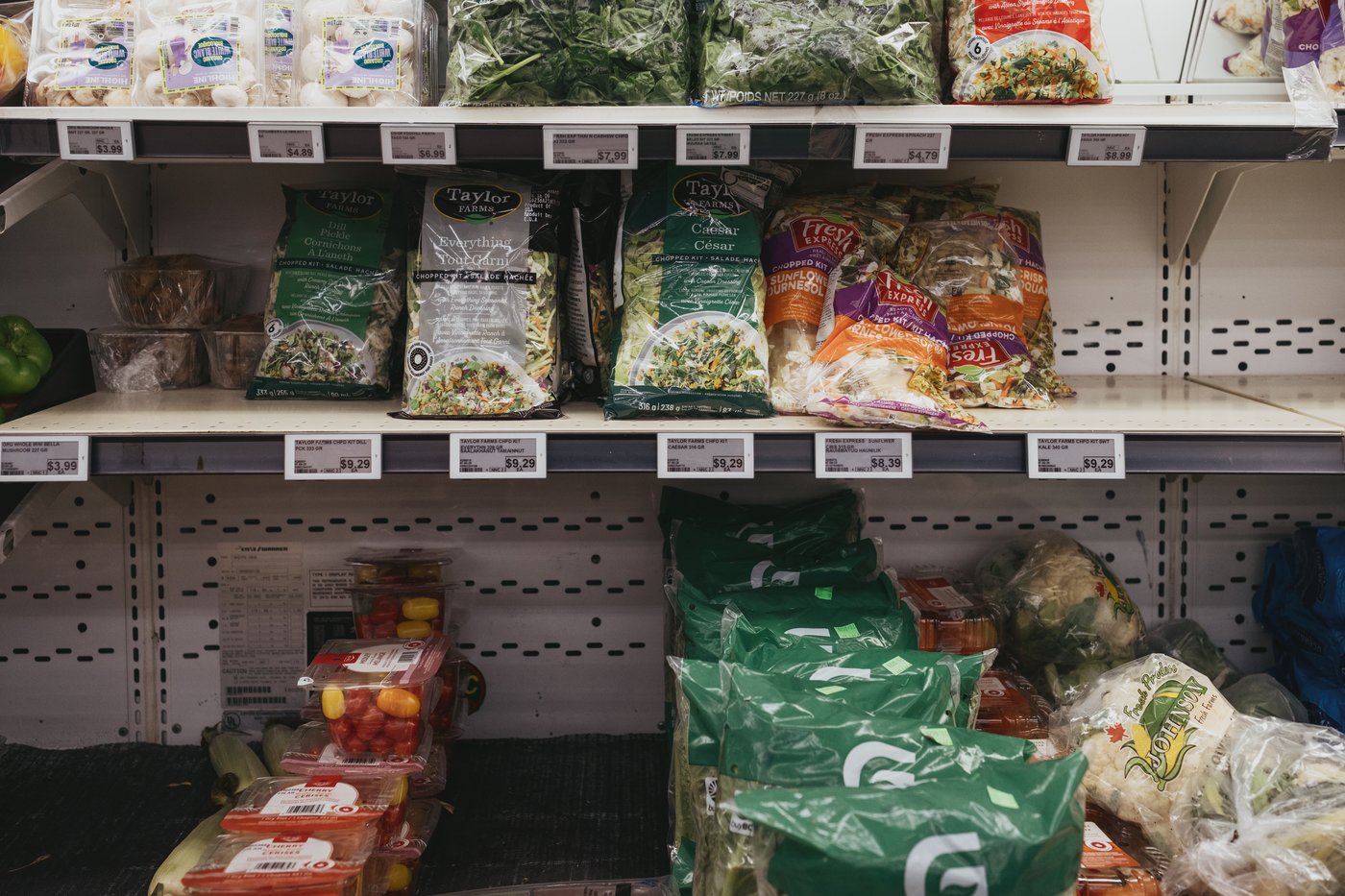
A two-kilogram, family-size jar of peanut butter costs $21. Oranges are $10 per kilogram, and bananas are $4 per kilogram.
Statistics Canada figures show the monthly average price for food items in Nunavut is about double the provincial average. The average in September was $11 for the same jar of peanut butter, $4.50 per kilogram for oranges and $2 per kilogram for bananas.
Asked about the Grays Bay project, Kunana says he’s never heard of it.
West Kitikmeot says in a report that by enhancing supply chains, the Grays Bay project would make store-bought food more accessible.
Bell says he expects non-perishable bulk goods would become cheaper, but items that need to be flown in, such as milk, may not see prices change.
Organizers at the elders centre in Kugluktuk serve lunch three times a week. On the menu one afternoon is bannock and hamburger soup. The room is packed with people talking and joking.
Doris Elatiak, who works at the centre, says many who stop in don’t have much food at home or are out of work.
Some worry about what the Grays Bay project could do to caribou and other animals that are sources of food, she says.
“Most of the elders, they really don’t want it to go ahead.”
—
Caribou
Most of Canada’s barren-ground caribou give birth and raise their calves in Nunavut.
Herd populations in the territory’s western region have sharply fallen over the last few decades.
Figures from the Global Initiative on Ungulate Migration show the Bathurst herd fell from 400,000 animals in the 1980s to fewer than 4,000 in 2025. The Dolphin-Union and Bluenose-East herds have also diminished, although the Beverly herd has increased in recent years.
Researchers and hunters have said warming temperatures, predation and hunting have contributed to declines.
The Dolphin-Union herd, for example, crosses sea ice every spring to give birth on Victoria Island, north of Nunavut’s mainland, before returning in the fall. On weak ice, they can fall into the sea and drown.
Hunters say industrial development has also played a role.
Leah Kadlun started an online petition opposing the Grays Bay project. As of early October, nearly 180 people had signed it.
She says she’s not only concerned about caribou, but also fish, seals, whales and other ocean animals in the region.
“It’s going to affect our water, especially along the Coronation Gulf, if they have a lot of ships, tankers and haulers passing by.”
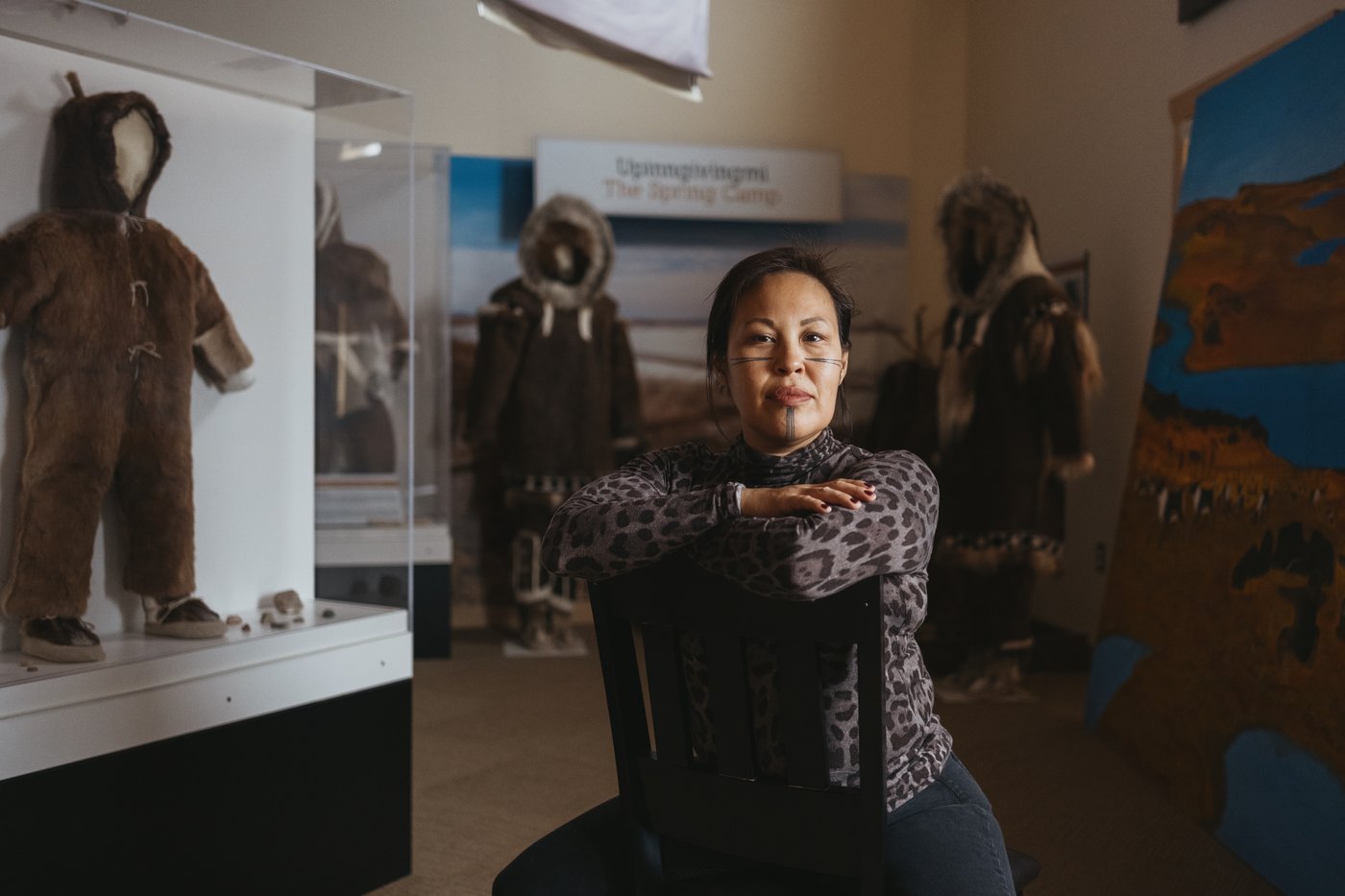
Kadlun sits in Kugluktuk’s visitor centre, surrounded by cultural exhibits, artwork and artifacts. The building is in the shape on an ulu knife, a crescent-shaped blade used by Inuit for centuries.
On display is a large kayak made with caribou skin. Kadlun says her grandmother taught her how to soften such skins when she was little.
“We don’t have a road in or out, but I’m not complaining,” she says. “Of course we’re going to have problems with housing. We’re going to have problems with food.
“This is how I choose to live, this is what we have. We have our fresh food we get off the land.”
West Kitikmeot says it expects the project won’t change fish populations and that marine habitat is not expected to be significantly affected.
It also doesn’t anticipate significant adverse effects on caribou.
The company plans to reduce disturbances to the animals, including building the road with smaller slopes so the animals can cross easily.
The road, running straight through traditional hunting areas, would give more access points for hunting. But the company says the road would close during times of mass migration, and hunting would be controlled by the Kitikmeot Inuit Association.
“It really is a vast, wide-open area with lots of room for caribou,” says Bell. “Our largest shareholder is the Inuit people of the region, so we have a mandate in making sure this project facilitates future investments.”
In an October 2024 submission to the Nunavut Impact Review Board, the Inuit association said it supports the project but also raised concerns of significant effects to caribou and other wildlife.
The association recently said it’s aware of ongoing discussions and that people can have their voices heard through the review board’s assessment process.
If the Grays Bay project goes ahead, Dumond says she’s not confident the caribou can be properly managed.
She has been eating what locals call country foods since she was little. She sees the caribou numbers in decline, even without the Grays Bay project.
During a hunting trip this past summer, she says her family harvested only one caribou.
“It’s what our people have lived on for thousands of years.”
This report by The Canadian Press was first published Nov. 27, 2026.
—
This story was a co-production between Be Giant and The Canadian Press. https://www.begiant.ca
News from © iNFOnews.ca, . All rights reserved.
This material may not be published, broadcast, rewritten or redistributed.

This site is protected by reCAPTCHA and the Google Privacy Policy and Terms of Service apply.
Want to share your thoughts, add context, or connect with others in your community?
You must be logged in to post a comment.