
Housing minister says B.C. in talks with Ottawa over cutting development cost charges

VICTORIA — British Columbia’s housing minister said her government is working with Ottawa to help fund the infrastructure needed as it pushes to build more homes in the province.
B.C.’s housing partnership with Ottawa calls for cuts in fees charged to developers that would normally help fund roads, transit, water systems and parks, while municipalities have long complained they don’t have the money to pay for those items.
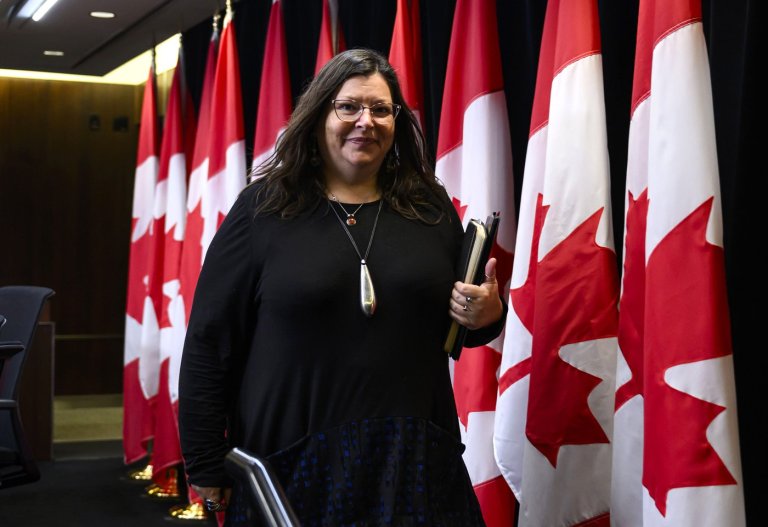
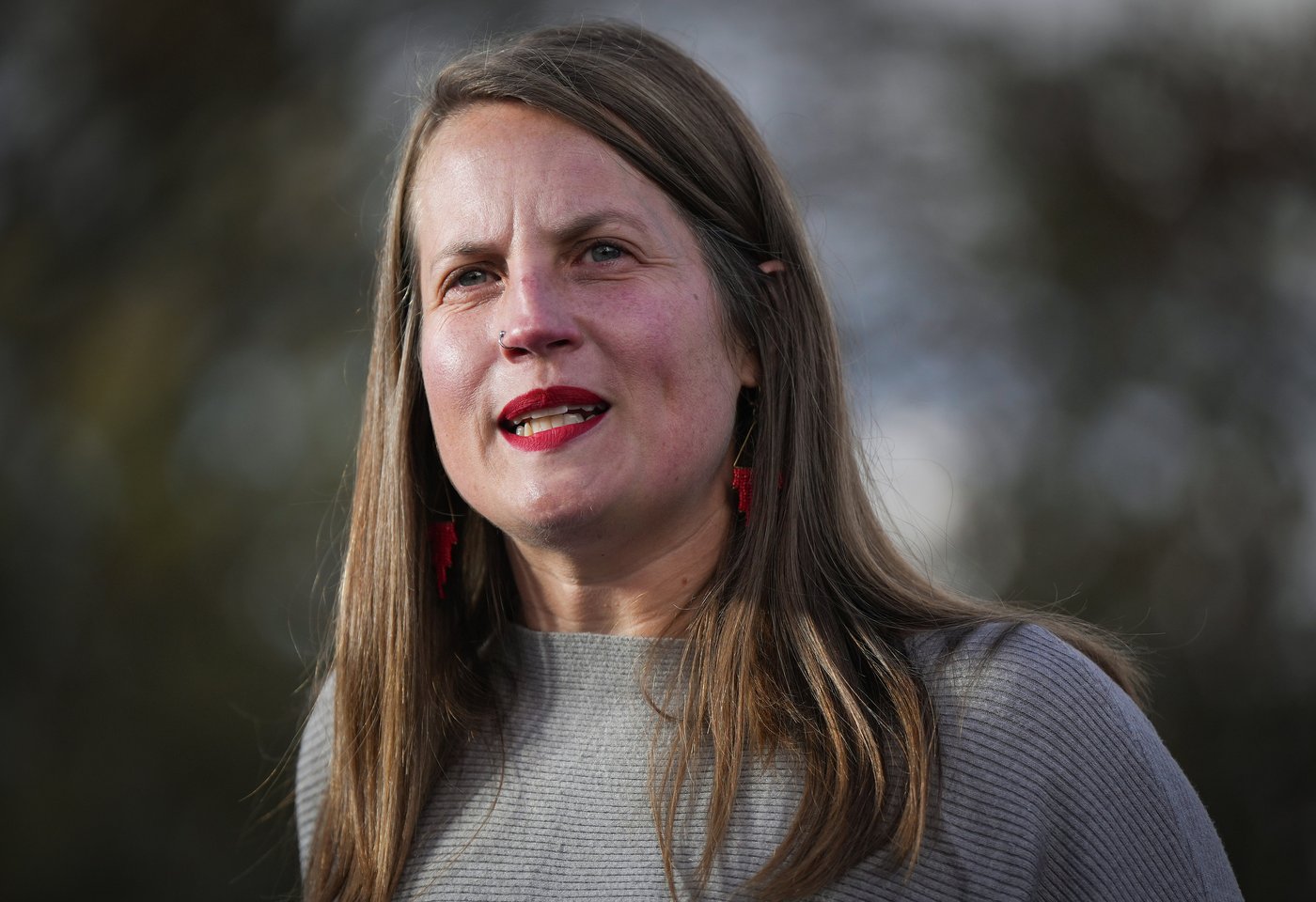
Housing Minister Christine Boyle said in an interview on Thursday that the province is talking with the federal government about cutting development costs in high-growth areas, while compensating municipalities so “that local governments aren’t left holding the bag.”
Boyle said she has heard the concerns around funding infrastructure from municipalities but couldn’t say how much money might come from senior governments or where those high-growth areas might be.
“I know it’s a priority for local governments,” she said. “The key thing I hear from local governments is the need to be kept whole, but many local governments are keen on this. They are also supportive of reducing the cost of housing.”
The housing partnership announced in June will see the federal and B.C. governments match funds over 10 years for up to $3.2 billion to lower development charges for multi-unit housing by up to 50 per cent in priority communities.
Boyle said her government is working on an approach that works for B.C. and final details could be announced in the fall.
The plan to reduce development cost charges is part of a larger funding package from the federal government.
It also includes another $2.5 billion over 10 years to build new transportation infrastructure, $600 million over three years to modernize health infrastructure with B.C. matching that amount, and up to $50 million over five years to support infrastructure in coastal communities.
The partnership between B.C. and the federal government also includes a plan to convert more than 2,200 unsold condominiums into affordable homes.
When first announced, the plan drew criticism as a bailout for developers who couldn’t sell their condominiums.
Boyle declined to give more information on the plan, saying discussions were ongoing.
“Obviously, the details matter on this,” she says. “So, we want to make sure that we are able to bring a full rollout of the plan to the public in the fall, and we are doing that work right now.”
The Union of British Columbia Municipalities, which has lobbied for more infrastructure funding, will hold its annual general convention Sept. 14 to 18 in Vancouver, B.C.
The minister said the government has been bending the curve of housing costs downward.
She pointed to a report released Thursday from Rentals.ca that shows the average asking price for rents fell 4.1 per cent in July compared with a year ago, noting it shows 25 months of declines.
“So, it is not a one-off blip,” she said. “We are seeing really consistent decreases in rent costs for over two years now.”
The minister said the trend line shows her that the government’s policies around housing are starting to pay off.
The same report also shows that five of the 15 most expensive rental markets in Canada are in B.C.
“I think we all recognize that there is a lot more work still to do,” Boyle said. She also said that other factors have contributed to the declining rental rates, including changes to federal immigration levels.
“I think the consistent decreases that we are seeing highlight that the policy approaches we have taken, including going after speculators, including building much more rental housing in partnership with local government, and historic investments in non-market housing, are all making a difference,” she said.
When asked whether sluggish economic growth in the last two years might have also played a part in bringing down the demand for housing, Boyle acknowledged a role.
“The recent declines and challenges of the market are concerning to me, and those are conversations that we continue to have with homebuilders and local governments,” she said.
This report by The Canadian Press was first published Aug. 6, 2026.
News from © The Canadian Press, . All rights reserved.
This material may not be published, broadcast, rewritten or redistributed.

Join the Conversation!
Want to share your thoughts, add context, or connect with others in your community?
You must be logged in to post a comment.