

NOT JUST FOR HIPSTERS: Okanagan wedding photographers seeing demand for film

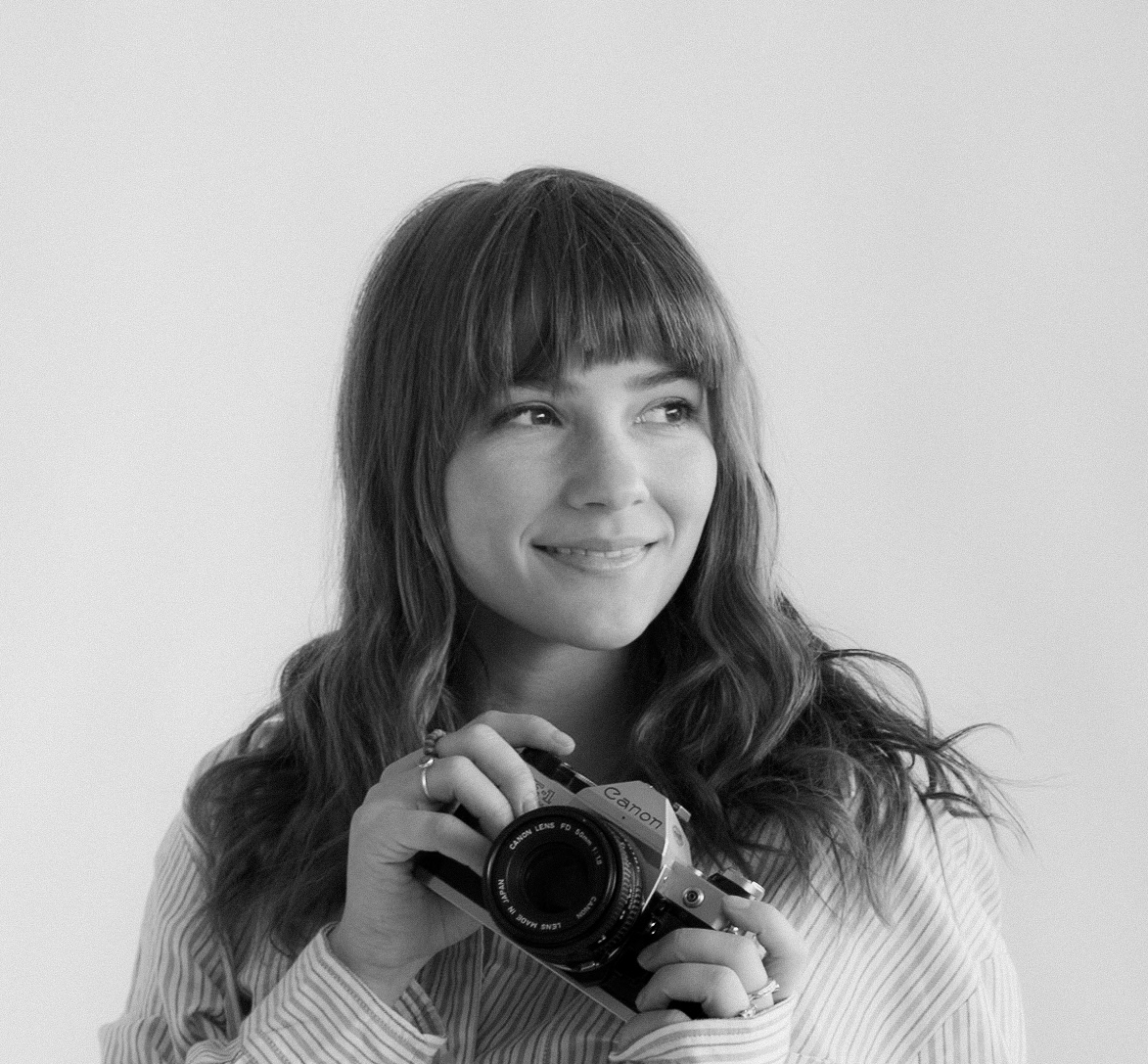
Five years ago, Kelowna-based wedding photographer Danika Camba started taking an old film camera with her as she snapped thousands of digital photos at weddings.
It was just a casual thing, but to her surprise, she found her wedding clientele were intrigued and wanted her to shoot film as part of their big day.
“It’s become very trendy,” Camba told iNFOnews.ca. “I think that in my generation, people are really drawn to the nostalgic and imperfect look.”
While film cameras might seem like an antiquated technology, that is both time-consuming and costly like other analogue trends, film is having a resurgence.
And it’s not just for hipsters.
For Camba, it has become a huge part of her professional work.
“In the past few years… people have sought out my work specifically because they wanted film, and so business-wise it’s been very good for me,” she said.
While Camba will shoot weddings in digital as well, one of the cameras strapped to her will contain film.
“It’s brought me a lot of clients that I feel connected to… because I think that the people who want film, they value that documentary style, they value the fun, they value the nostalgia,” she said.
The people now getting married all grew up with their baby books being full of printed photos taken on film.
“The feel is different… it’s very nostalgic. There’s something ethereal about it…. something often imperfect about it,” she said.
Saved my career
Professional wedding photographer Danae Derksen credits film for saving her career.
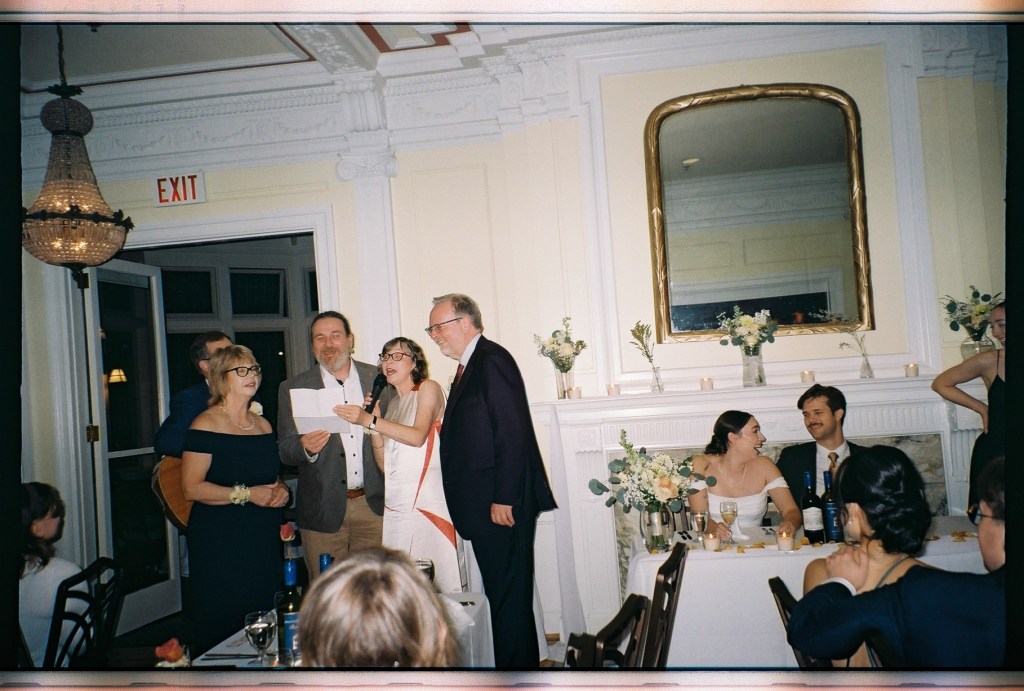
SUBMITTED/Danika Camba
“My business wouldn’t be here without film in 2026 because I was really losing the passion,” Derksen said. “(Digital) just felt very cookie-cutter. And bringing in film reignited my passion for photography in the same way that when I started loving photography when I was 12 years old.”
Derksen said the post-pandemic wedding season was insanely busy, and she was getting burnt out.
“I’m taking the same photos with my digital camera, and it just felt the life kind of was getting sucked out of me,” she said. “I wasn’t feeling inspired as much anymore because it just felt like every wedding was the same.”
Film photography changed all that.
“It’s analog. It’s real. It’s something that (when) you take the photo, you think about it beforehand,” Derksen said.
She thinks her clients like it because it’s the polar opposite of a world that social media has made seem so perfect.
“People are craving real and imperfect, but still beautiful,” she said. “It is grainy and that’s part of why people like it… it feels fuzzy, warm, nostalgic, happy versus clean, perfect, sterile.”
Along with shooting film at weddings, she also offers couples video shot in Super 8. Kodak still makes the film that lasts two to three minutes, and there is one place left in Canada that develops it.
Despite the price, the lack of sound and the graininess, it’s been a surprising hit.
Resurgence in interest in film cameras
For Derksen, film photography didn’t just reboot her career, it also found her love.
She met her husband, Jesse Derksen, when she bought a used film camera from him.
Jesse said he was introduced to film in 2018 and liked the vintage and raw feel to it.
“You have to send the film off, it takes patience, and you only get 30 shots,” he said.
He started buying a “plethora” of cheap cameras at thrift stores, normally for $5.
“It was viewed as basically junk, and no one wanted them,” he said.
Throughout 2018 to 2020, he would pay $5 for an old film camera, put film and batteries in it to make sure they worked and then sell it for a small profit.
Then things started to change, and thrift store prices jumped to $20.
Now he says people want $150 to $200 for what just a few years ago he was buying for $5.
“It’s pretty rare to find them really cheap at a thrift store now,” he said.
The 30-year-old said most people buying his used cameras would be at least five years younger than him.
“A lot of it is a huge resurgence of people seeing it on Instagram. I think that’s probably one of the biggest reasons people are getting back into film,” he said. “It’s the progression of something starting out as niche and cool, and then people find out about it, and then everyone starts doing it.”
Film isn’t cheap
And it’s not just the price of film cameras that has gone up dramatically, the price of film has also skyrocketed.
Jesse said in 2018, Walmart sold a packet of three 35mm 36 exposure film for $12. It now hovers around $45. For professional-grade film, the price can be three times that. A roll of Kodak 120 mm film can cost $35, and it only takes 12 photos.
While it’s costly, there is a market for it.
Nishant Kothari opened Photo Alchemist Lab on Leon Ave in downtown Kelowna in 2024.
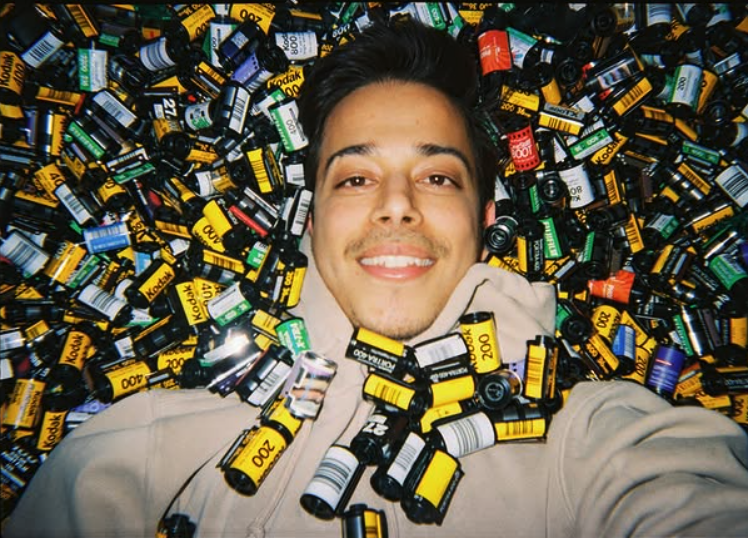
INSTAGRAM/Photo Alchemist Lab
Kothari said in the last two or three years, film photography has had a huge comeback, and he saw the market for a boutique photo lab.
“We’ve got a mix of customers, from hobbyists to professionals shooting weddings, editorial, automotive, and more,” Kothari said. “It’s definitely more popular with the younger generation, and social media plays a big role in that.”
However, Kothari said he’s also seeing people in their 60s and 70s coming in to buy film and getting excited to use their cameras again.
“Since we carry and develop medium format film, we’re also seeing older photographers return to that format. Many of them used to shoot professionally back in the day, so it’s great to see them enjoying it again,” he said.
His business is currently a one-man show, and he said he’s in the lab from early morning until late at night, keeping up with demand.
Film industry picking up steam
According to market analysis firm Cognitive Market Research, the Canadian film photography industry brought in $268 million last year and is second worldwide behind the U.S. The industry is forecast to grow by five percent per year over the next decade.
Companies that were once household names are also seeing the comeback.
In its 2025 letter to shareholders, Kodak said it had the strongest balance sheet it had had in years and had released new film products to the market.
“We continued to execute our long-term plan to bring Kodak back to its rightful place as an iconic global brand,” the letter reads.
It’s a tough business when anyone can snap a decent photo with their phone.
Why the interest in film?
So what interests people about stepping back to a more difficult, more expensive and more complicated process?
“I think the tangibleness,” professional photographer Maylies Lang told iNFOnews.ca. “The intention is different, it’s not about the perfect shot.”
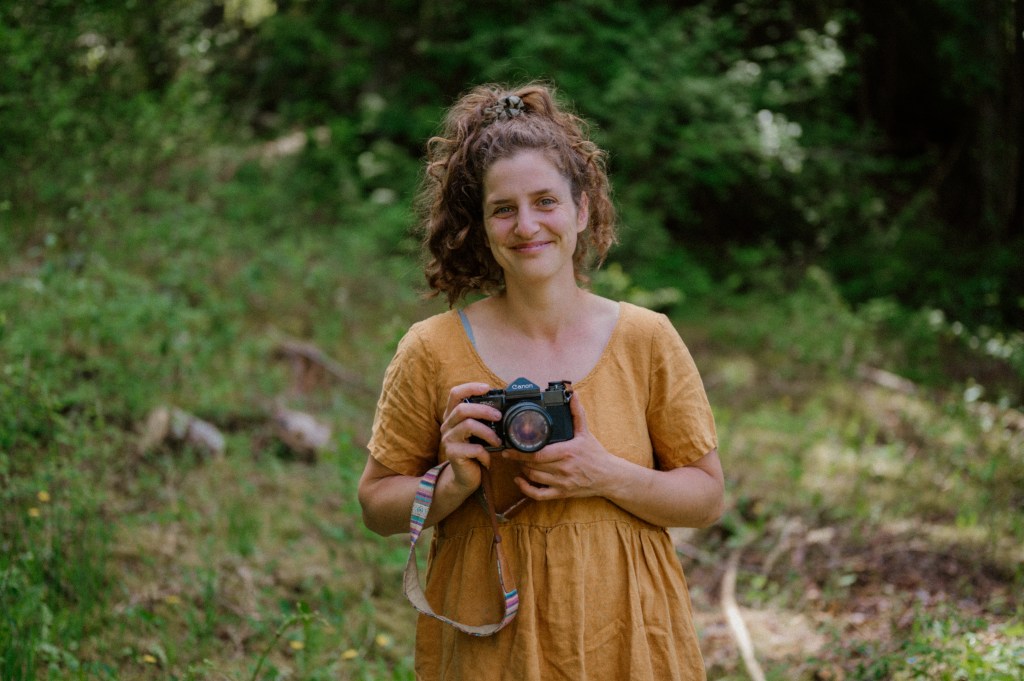
SUBMITTED/Maylies Lang
Lang said at a wedding she can shoot 3,000 digital shots, guaranteeing her clients 80 to 100 photos per hour.
But in her personal life, she only shoots film.
“I love that I don’t know what I take for photos,” she said. “I have often 10 rolls and then I bring it to the lab to have developed… so when I get my film back, it is an incredible gift… I forget, and it just brings so much joy, it’s like opening up a present at Christmas.”
Camba also uses the Christmas present analogy.
“There’s no instant gratification, and so when you get your film delivery, it’s like Christmas morning,” she said. “You’ve forgotten what you photographed, and so it’s such a fun treat to be able to see.”
The pros also say the quality is superior. It’s hard to pinpoint why, but the “feel” is different.
“As an artist and as a professional, it makes me a better photographer,” Danae said.
And contrary to it being time-consuming, all the work is done on the camera prior to the photo being taken, instead of spending hours editing on a computer afterwards.
Like the resurgence of vinyl records and other physical media, film photography is a way to get away from cell phones.
Camba compares it to her new hobby of knitting.
“It is more expensive to knit your own sweater than it is to go buy a sweater, but it’s so gratifying to know that I made it.”
News from © iNFOnews.ca, . All rights reserved.
This material may not be published, broadcast, rewritten or redistributed.

Join the Conversation!
Want to share your thoughts, add context, or connect with others in your community?
You must be logged in to post a comment.