


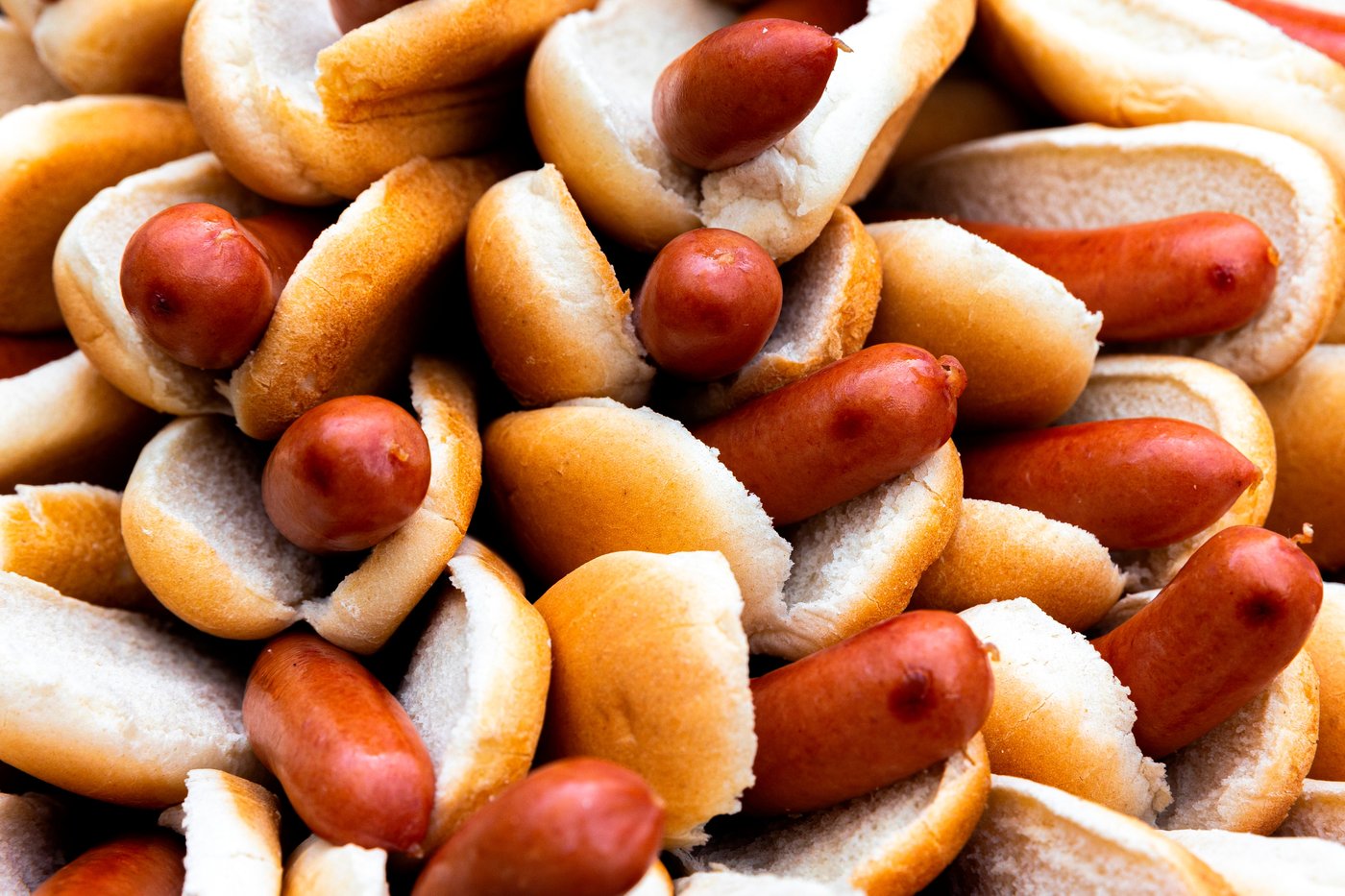
The hot dog: We need to be frank about how German sausages became an American icon

Nineteenth-century Indiana passed some of the country’s toughest “blue laws” to protect Sunday’s rest and worship from alcohol and … hot dogs?
But Indiana’s push was noteworthy for another reason: It produced the country’s earliest known use in print of the culinary term that now sits at the center of American culture. “Even the innocent wienerworst man will be barred from dispensing hot dog on the street corners,” the Evansville Courier & Press read on Sept. 14, 1884. Germans’ weisswurst, bockwurst and blutwurst were becoming as American as baseball.
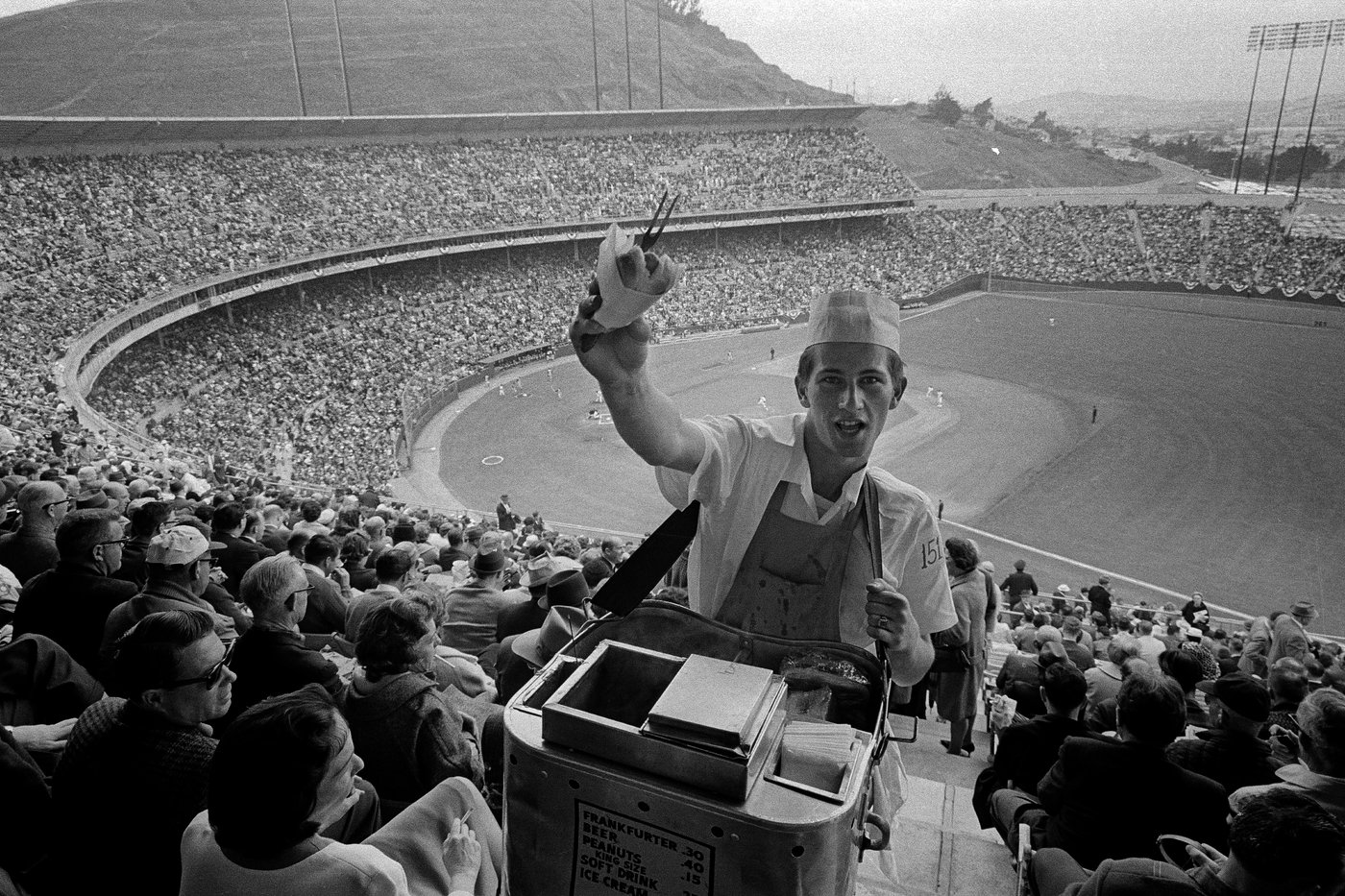
“Hot dogs become embedded in American culture,” says Bruce Kraig, author of “Hot Dog: A Global History.” “It becomes completely associated with ballparks by the 1890s.”
The famous Fourth of July hot dog eating contest in New York tied them to the nation’s birthday.
The National Hot Dog and Sausage Council (yes, the National Hot Dog and Sausage Council) says there are 19 regional varieties, from the french-fry topped Cleveland “Polish boy” to the bacon-wrapped Sonoran dog and the renowned Chicago dog, with its seven traditional toppings and poppy seed bun.
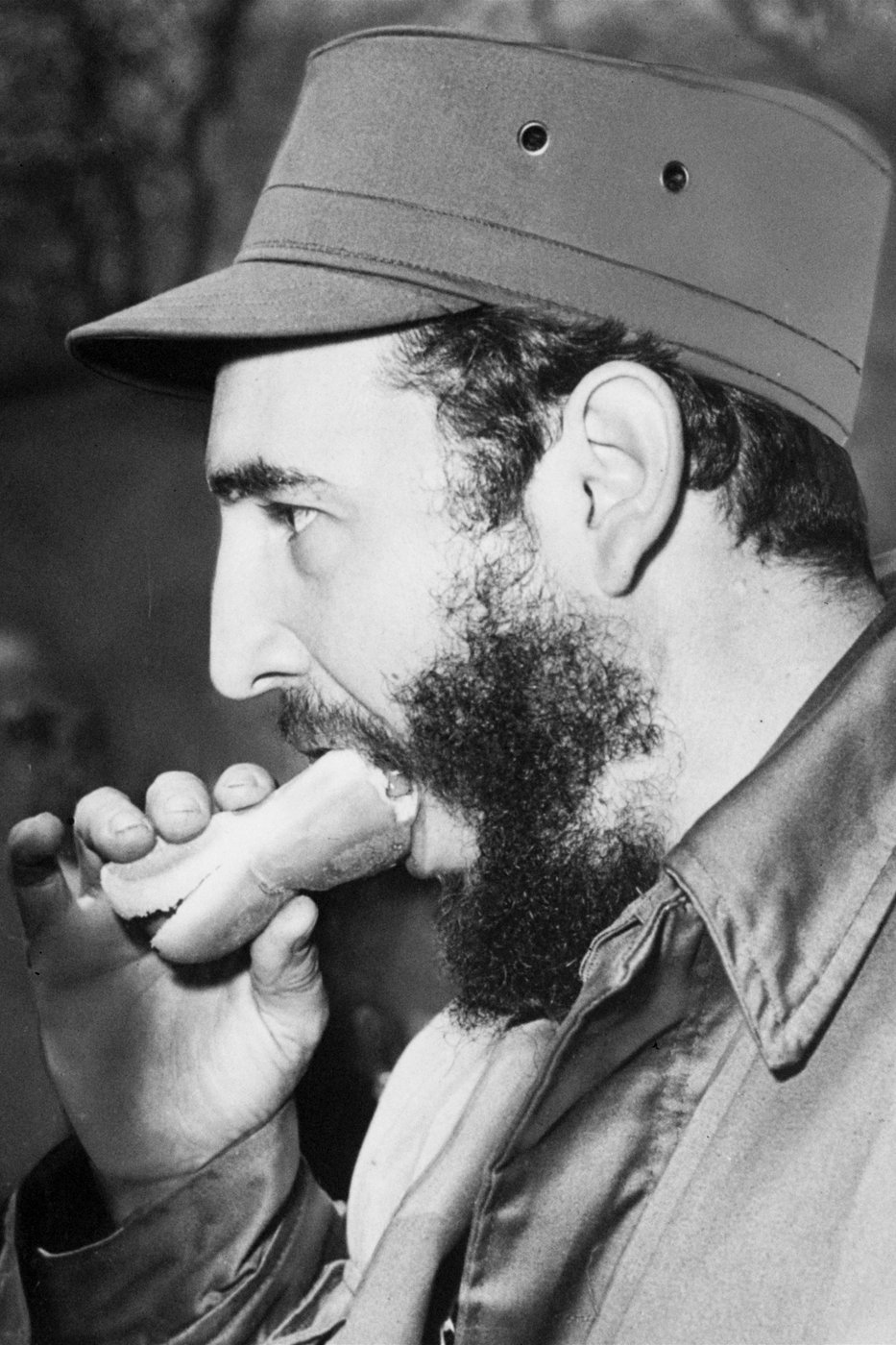
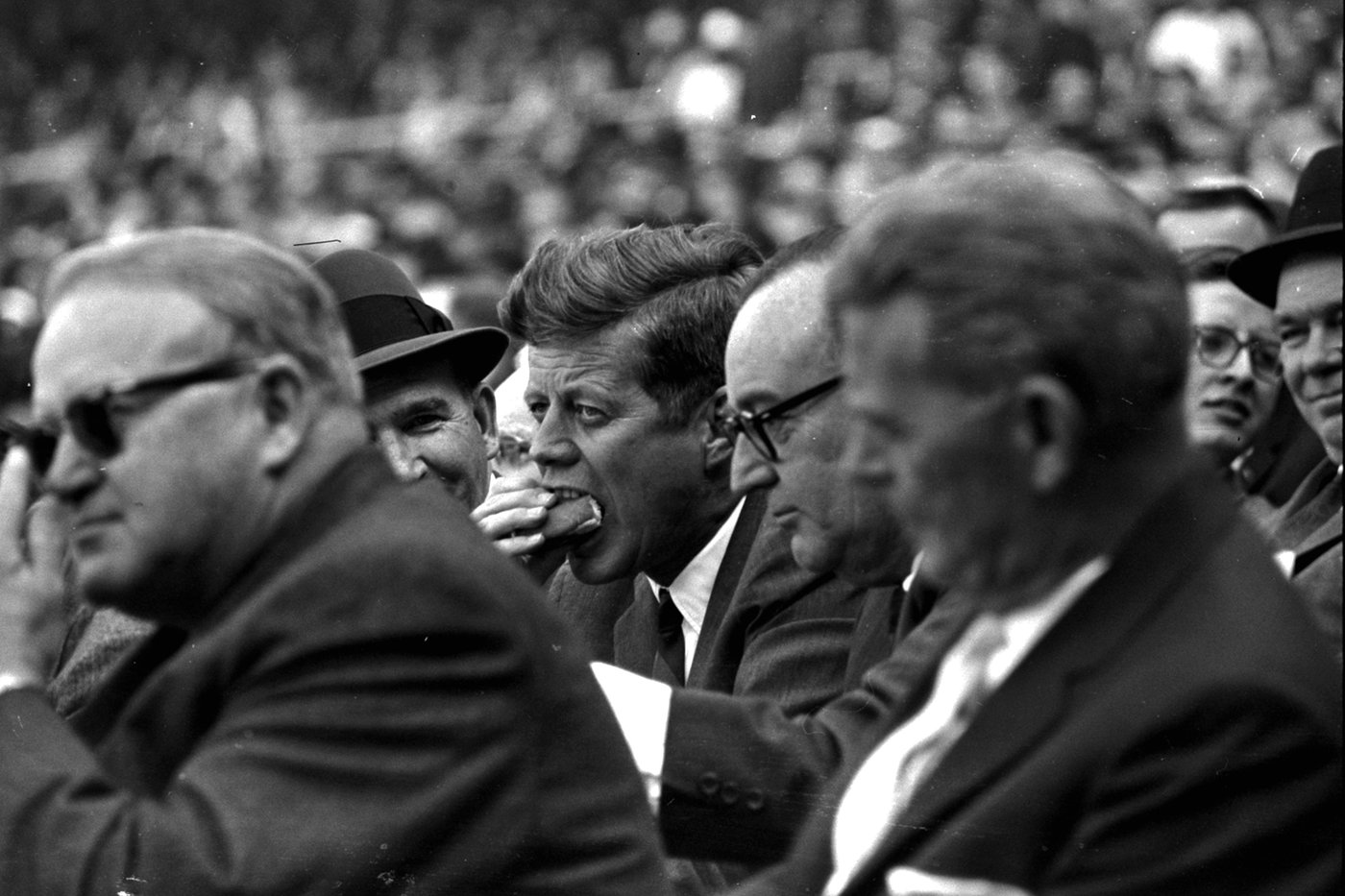
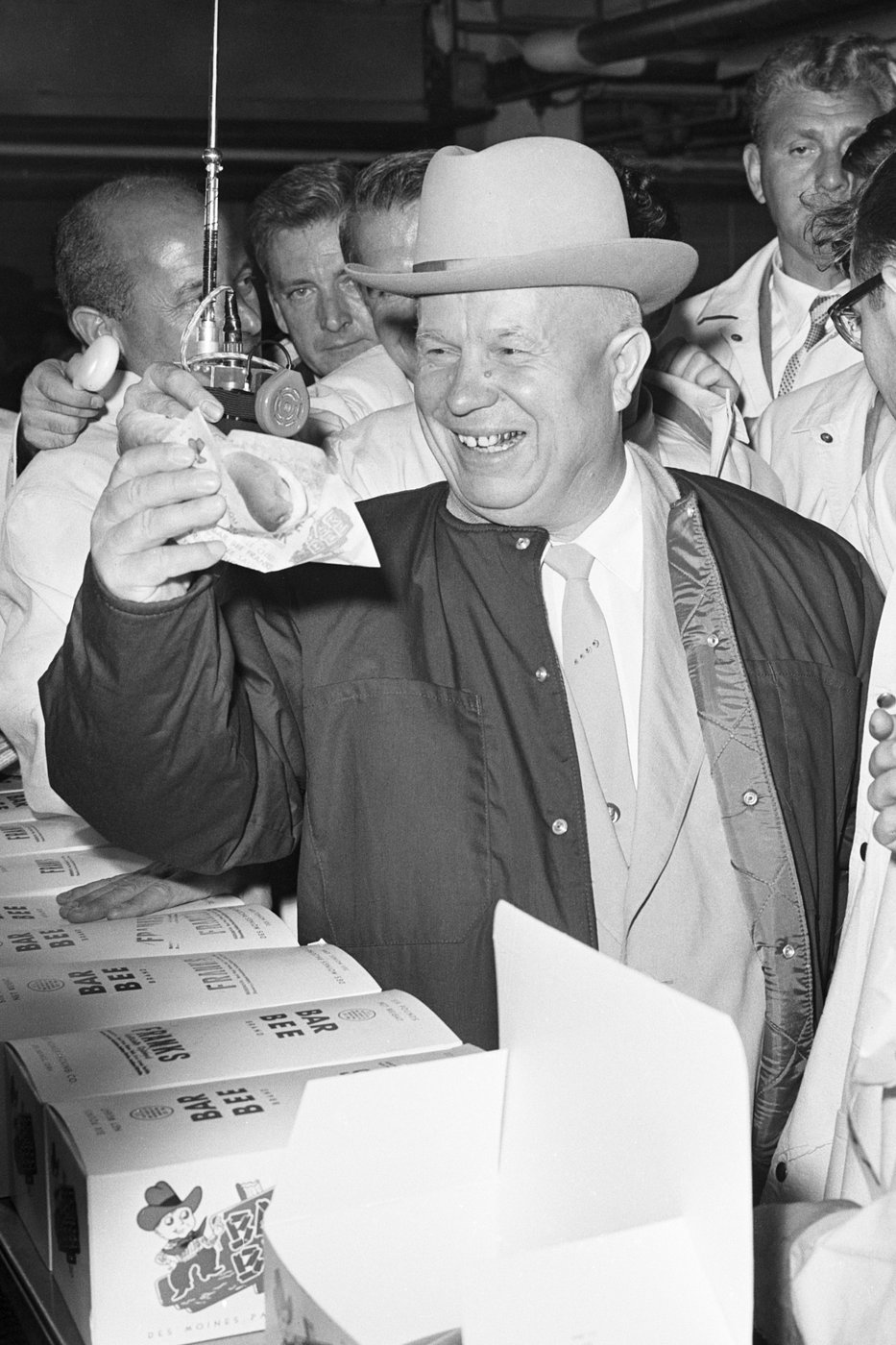
Despite regional differences, dogs played an important role in international relations or “hot dog diplomacy,” as the U.S. National Archives calls it.
With World War II approaching, King George VI and Queen Elizabeth became the first reigning British royals to visit America. The Roosevelts — to the horror of FDR’s mother — served them hot dogs, the president’s library says. The king asked for more, The New York Times reported.
Nikita Khrushchev, the first Soviet premier to visit the U.S., quipped that while the USSR sometimes bested America in the space race, “you have beaten us in sausage-making.”
Fans worldwide have their favorites. Gloria Ousset, 74, of Argentina, visited her son in the New York suburbs in early June and stopped at a local institution — Walter’s Hot Dogs. Walter’s offerings, “an exclusive blend of beef, pork and veal,” remind her of how Argentine dogs once had that crunch she loves.
“Now,” she says, “they’re very bland.”
And dogs can be more than a quick meal. In 2024, artists Jen Catron and Paul Outlaw installed a 65-foot hot dog sculpture in Times Square. Daily at noon, and without subtlety, the sausage grew and spewed confetti.
In 2023, comedy writer and podcaster Jamie Loftus debuted her popular book about her nationwide tour of hot dog joints, “Raw Dog: The Naked Truth about Hot Dogs.”
Loftus sees the hot dog — the good and the bad — as “an appropriate symbol for the U.S. It is a source of joy and nostalgia for so many people.”
___
Part of a recurring series, “American Objects,” marking the 250th anniversary of the United States. For more American objects, click here. For more stories on the anniversary, click here.
News from © The Associated Press, . All rights reserved.
This material may not be published, broadcast, rewritten or redistributed.

Join the Conversation!
Want to share your thoughts, add context, or connect with others in your community?
You must be logged in to post a comment.