Elevate your local knowledge
Sign up for the iNFOnews newsletter today!
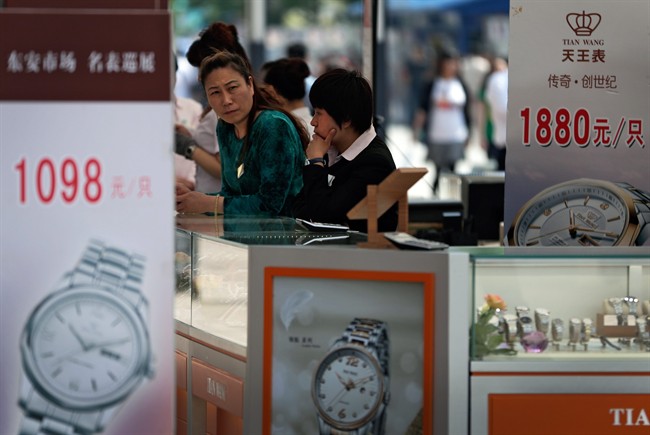
BEIJING, China – China’s imports and exports contracted again in April in a new sign of economic weakness, adding to pressure on Chinese leaders to reverse a politically dangerous slump.
Imports fell by a bigger-than-expected 16.2 per cent over a year earlier to $176.3 billion following March’s 12 per cent decline. Exports fell 6.4 per cent to $142.1 billion, adding to the previous month’s 15 per cent decline.
The unexpectedly weak data “suggest that both foreign and domestic demand has softened going into” the current quarter, said Julian Evans-Pritchard of Capital Economics in a report.
Communist leaders are trying to steer China to more sustainable growth based on domestic consumption and reduce reliance on trade. But a sharp decline since mid-2014 has raised concern about politically dangerous job losses.
To shore up growth, Beijing has cut interest rates twice since November and also lowered reserve requirements for banks to boost lending. The Communist Party leadership promised additional steps to support growth following a high-level meeting two weeks ago.
Economic growth fell to 7 per cent in the first quarter of the year, its lowest since 2009 in the aftermath of the global crisis.
Chinese manufacturing suffered its sharpest contraction in a year in April, according to a survey by HSBC Corp. It said new orders and employment both declined.
Measures of employment have fallen to their lowest level since the crisis, according to Citigroup.
“Early signs of a job market slump may suggest the rising new economy, including services, is unable to fully offset job losses in traditional sectors,” said Citigroup economists in a report this week.
Total imports and exports in the first four months of the year contracted by 7.6 per cent compared with a year earlier, according to customs data. That made it increasingly unlikely the ruling party could achieve its target of 6 per cent trade growth this year.
Measures imposed to cool an investment boom have cut demand for imported iron ore and other industrial raw materials. That has depressed revenues for commodity exporters such as Australia and Brazil.
“We expect negative export growth to prove short lived,” said Evans-Pritchard. “Meanwhile, although slowing investment growth will remain a drag, import growth should begin to recovery gradually.”
News from © The Associated Press, . All rights reserved.
This material may not be published, broadcast, rewritten or redistributed.

This site is protected by reCAPTCHA and the Google Privacy Policy and Terms of Service apply.
Want to share your thoughts, add context, or connect with others in your community?
You must be logged in to post a comment.