Elevate your local knowledge
Sign up for the iNFOnews newsletter today!
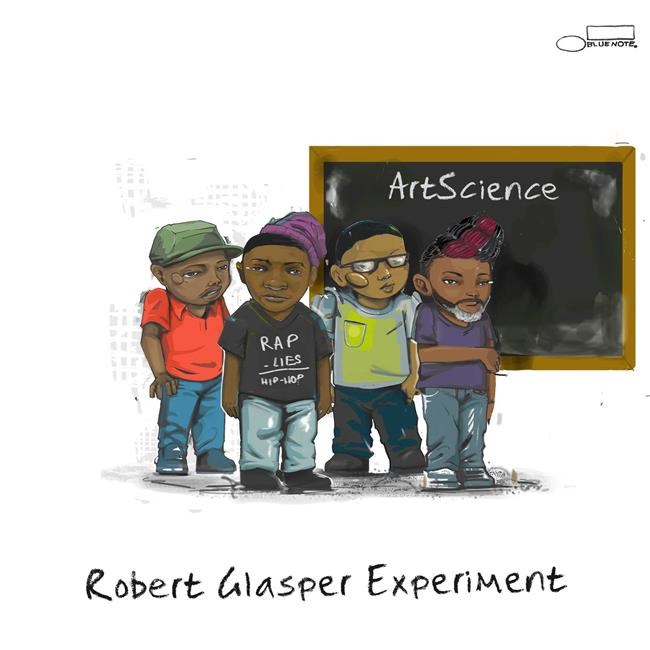
Robert Glasper Experiment, “ArtScience” (Blue Note Records)
The Robert Glasper Experiment hoists a jazz sail on “ArtScience” for a spirited cruise on seas of soul, dance, funk and pop.
Recorded in New Orleans in two weeks, the band wrote most of its self-produced third album and even handles the vocals instead of relying again on stellar guest singers.
Free and easy and unafraid to mix and match, “ArtScience” crosses over but repeatedly returns to its jazz harbour.
“This Is Not Fear” launches the album like a brief résumé. Some post-bop piano and sax open into turntable samples and a live band introduction — Glasper on keyboards, bassist Derrick Hodge, drummer Mark Colenburg and Casey Benjamin on saxes.
“Day to Day” has a fluid, Isley Brothers-style groove while “Written In Stone” is built on excellent guest guitarist Michael Severson’s early Police-like strum and some heavy Hodge bass riffs.
Vocoder-ized vocals give “Find You” a futuristic tint as spot-on comments on current events from Glasper’s five-year-old son bring the song very much into the now. Glasper’s Rhodes piano solo drives Herbie Hancock’s “Tell Me a Bedtime Story,” but with whole band shining brightly you’ll find it impossible to fall asleep.
The album ends with a cover of the Jimmy Jam and Terry Lewis-written “Human,” in which the line about “born to make mistakes” must be a mea culpa for still another round of vocoder excess.
The band won R&B Grammy Awards in 2013 for the “Black Radio” album and last year for a cover of Stevie Wonder’s “Jesus Children of America.” For “ArtScience” the Recording Academy may need a new category.
News from © The Associated Press, . All rights reserved.
This material may not be published, broadcast, rewritten or redistributed.

This site is protected by reCAPTCHA and the Google Privacy Policy and Terms of Service apply.
Want to share your thoughts, add context, or connect with others in your community?
You must be logged in to post a comment.