Elevate your local knowledge
Sign up for the iNFOnews newsletter today!
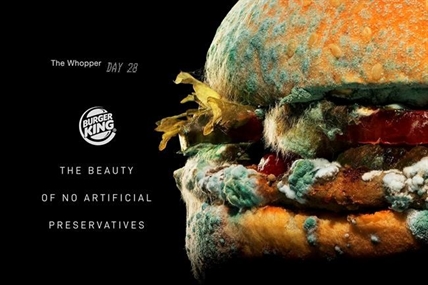
Burger King is breaking the mould in its new advertising campaign.
The burger chain is portraying its Whopper covered in mould in print and TV ads running in Europe and the U.S. The message: Burger King is removing artificial preservatives from its signature burger.
The company, already known for irreverent ad campaigns, turned it up a notch, including a time-lapse of a decaying burger on Twitter. That imagery goes beyond the print ads that show a 28-day-old burger — a week beyond.
Early reaction to the campaign Wednesday was a mix of applause for the shift away from preservatives, to disgust.
The restaurant, based in Miami, Florida, says it has removed artificial preservatives from the Whopper in several European countries — including France, Sweden and Spain — and around 400 of its 7,346 U.S. restaurants. It plans to remove preservatives from Whoppers served in all of its restaurants this year.
The Whopper is topped with onions, lettuce, tomato, mayonnaise and pickles, all of which will contain no artificial preservatives.
By the end of this year, Burger King said all food items — including sandwiches, sides and desserts — will be free from artificial colours, artificial flavours and artificial preservatives in the U.S. and select European countries, including Germany and the United Kingdom.
McDonald's announced in 2018 that it was removing artificial colours, flavours and preservatives from seven of its burgers.
News from © The Associated Press, . All rights reserved.
This material may not be published, broadcast, rewritten or redistributed.

This site is protected by reCAPTCHA and the Google Privacy Policy and Terms of Service apply.
Want to share your thoughts, add context, or connect with others in your community?
You must be logged in to post a comment.