Elevate your local knowledge
Sign up for the iNFOnews newsletter today!
Sign up for the iNFOnews newsletter today!
Selecting your primary region ensures you get the stories that matter to you first.
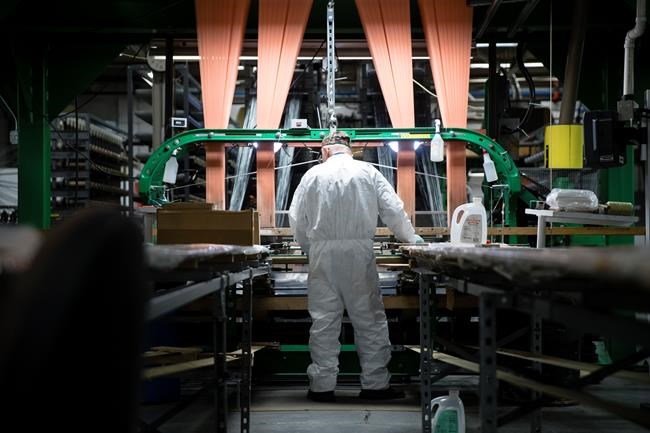
WASHINGTON – Inflation at the wholesale level jumped in April by the largest amount in three months, fueled by rising prices of food and energy. Even excluding the volatile energy and food categories, core inflation was up sharply as well, raising concerns about whether inflation is starting to edge higher after being quiet for years.
The Labor Department said Thursday that its producer price index, which measures inflation before it reaches the consumer, rose 0.5 per cent in April. That represented a sharp rebound following a 0.1 per cent decline in March. It was the largest one-month gain since January.
Energy prices rose 0.8 per cent in April, while food costs were up 0.9 per cent. Over the past 12 months, overall prices at the wholesale level have risen 2.5 per cent, the largest 12-month gain since early 2012.
Excluding food and energy and trade services, core inflation was up 0.7 per cent in April. Over the past 12 months, core inflation is up 2.1 per cent. Both gains are records in a data series that goes back to just 2013.
Both the overall number and core inflation were up more sharply than analysts had been expecting. Some cautioned that if this gain carries over to the consumer price report, which will be released Friday, it could set off warning alarms at the Federal Reserve that inflation pressures are building faster and the central bank may need to start raising interest rates more quickly.
“Underlying factors that drive inflation are all working toward creating faster price increases,” said Joel Naroff, chief economist at Naroff Economic Advisors. “While rising wholesale costs don’t necessarily translate into higher consumer prices, the jump in producer expenses is a sign inflation pressures are building.”
Inflation has been moving higher in the past year, reflecting in large part a rebound in energy and other commodity prices. The new environment is a significant change from the years immediately following the Great Recession when the main concern was deflation, a bout of falling prices that can destabilize an economy.
The Federal Reserve cut its key interest rate to a record low near zero and kept it there for seven years to boost the economy and prevent deflation from taking hold. But since December 2015, it has been cautiously raising rates, moving its key rate up three times in small quarter-point steps.
The Fed did not boost rates at its last meeting earlier this month after rate increases in December and March. But analysts believe the Fed will raise rates again at its next meeting in June and will end up increasing rates three times before this year is over. That would compare to only single increases in both 2015 and 2016.
News from © iNFOnews.ca, . All rights reserved.
This material may not be published, broadcast, rewritten or redistributed.

This site is protected by reCAPTCHA and the Google Privacy Policy and Terms of Service apply.
Want to share your thoughts, add context, or connect with others in your community?
You must be logged in to post a comment.